
Qui nous sommes
Le Réseau national de l’autisme est une initiative communautaire indépendante qui rassemble les personnes autistes, leurs familles, les spécialistes et les partenaires communautaires pour informer le gouvernement fédéral sur la façon de mettre en œuvre la Stratégie pour l’autisme au Canada.


Ce que nous faisons
Le Réseau s’engage activement auprès des personnes autistes et de leurs familles pour définir les priorités de la communauté et guider les actions nécessaires pour réaliser la Stratégie pour l’autisme au Canada.
Nos valeurs

Priorité à l’expérience vécue : Créer l’espace nécessaire pour que les personnes autistes, les familles et les personnes aidantes ainsi que les scientifiques et les partenaires communautaires de toutes les régions du pays puissent partager leurs connaissances et façonner les processus de prise de décisions qui les concernent.

Du soutien pour les besoins, tout au long de la vie : Promouvoir des politiques et des moyens de soutien inclusifs de la petite enfance à l’âge adulte et jusqu’à la vieillesse.

Soutenir un réel leadership communautaire : S’assurer que le leadership autiste de toutes les régions du Canada joue un rôle actif de premier plan dans les conversations qui guident l’établissement des politiques.

Donner priorité à un mode d’engagement inclusif : Favoriser l’équité et l’égalité de représentation en s’assurant que les perspectives des personnes autochtones (des Premières Nations, de la Nation Métis, Inuit et autochtones en milieu urbain), des collectivités rurales et éloignées, des personnes ayant des conditions cooccurrentes, des personnes autistes non parlantes et des groupes racisés et marginalisés sont incluses et validées.

Renforcer la collaboration intersectorielle : Encourager une collaboration continue pour l’élaboration de solutions coordonnées et durables basées sur les savoirs expérientiels.

Favoriser les changements systémiques : influer sur les priorités et les politiques à l’échelle nationale en donnant précédence à l’information tangible issue des communautés pour façonner les processus de prise de décisions.
Notre rôle

Conseille le gouvernement :
Contribue à l’élaboration du plan de mise en œuvre de la Stratégie canadienne pour l’autisme, en collaboration avec le Secrétariat de l’autisme de l’Agence de la santé publique du Canada.

Relie les communautés :
Met en relation les organisations, les fournisseurs de services, les gouvernements et les partenaires communautaires afin de promouvoir une approche inclusive et coordonnée de la Stratégie canadienne pour l’autisme.
Équipe
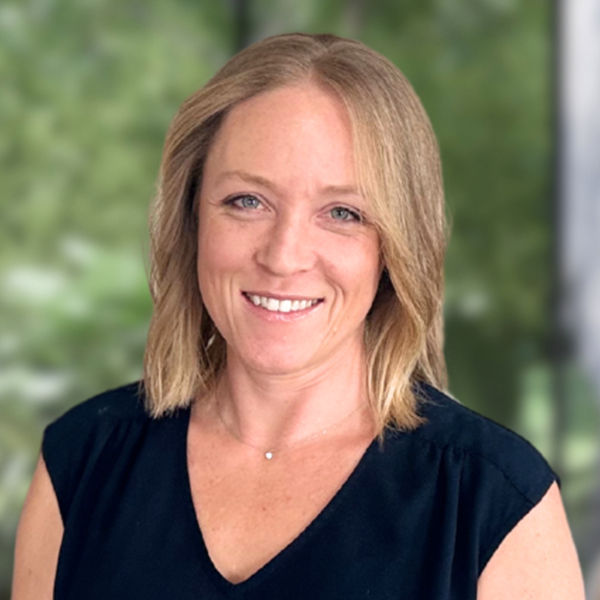
Carissa Carleton
elle
Direction générale par intérim
ceo@nan-rna.ca
Lire la biographieCarissa Carleton brings a rare convergence of lived experience, professional expertise, and systems-level leadership to the National Autism Network. As an Autistic individual and parent to Autistic children, Carissa understands first-hand the systemic barriers that Autistic people navigate daily and is empowered to ensure that lived Autistic experience is embedded in the development of supports and systems across the country.
Carissa holds an MBA and has built a career as a corporate strategist and operations expert, with experience spanning company development and ownership to organizational leadership. A recognized thought leader on inclusivity and business leadership, she has advised organizations on building cultures and systems that work for everyone.
Her policy and governance experience is equally extensive. Carissa has served on a municipal policy committee and as an arbitrator on a municipal board, with a mandate rooted in legislation and policy compliance.
Drawing on experience guiding the development and implementation of national systems change in the sustainability sector, she brings a sophisticated understanding of how lasting structural change is designed and achieved.
Carissa currently serves as Chair of Governance at The Sinneave Family Foundation and as a board member of PLAN Calgary. She is also a former board member of AAFS Calgary, reflecting a career of sustained commitment to organizations advancing the lives of Autistic people and their families.
Carissa is honoured to bring this breadth of experience to Canada’s National Autism Network.
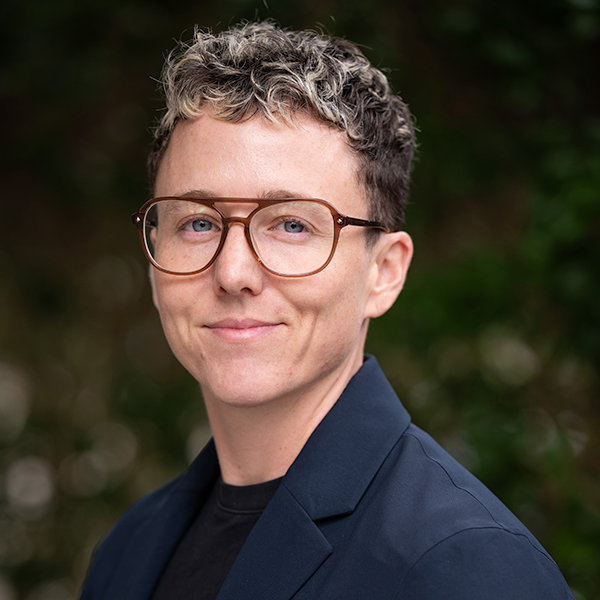
Max MacKellar
il
Gestionnaire des opérations de projet
max.mackellar@nan-rna.ca
Lire la biographieMax apporte plus de dix ans d’expérience en gestion de projet, en opérations et en planification stratégique dans les secteurs à but non lucratif, les jeunes entreprises et les organisations axées sur l’impact. Fort d’une solide expérience dans la création de systèmes inclusifs et la direction d’équipes interfonctionnelles, Max se spécialise dans la mise en place d’opérations collaboratives, durables et orientées vers l’impact, qui renforcent les organismes à mission sociale. Il a auparavant fondé une plateforme virtuelle de mouvement destinée à la communauté 2SLGBTQIA+ ainsi qu’aux personnes vivant avec des maladies chroniques ou des douleurs persistantes. En tant que gestionnaire des opérations de projet, Max dirige le développement des systèmes et structures internes qui soutiennent la mission du Réseau. S’appuyant sur son expertise professionnelle et son expérience vécue, il est profondément engagé envers l’équité, l’accessibilité et le changement dirigé par la communauté. Max termine actuellement sa maîtrise en administration des affaires (MBA) à l’Université de la Colombie-Britannique (UBC). Son travail porte sur la création d’opérations durables qui appuieront la croissance à long terme du Réseau tout en valorisant les expériences vécues et en cours des personnes autistes et de leurs familles.
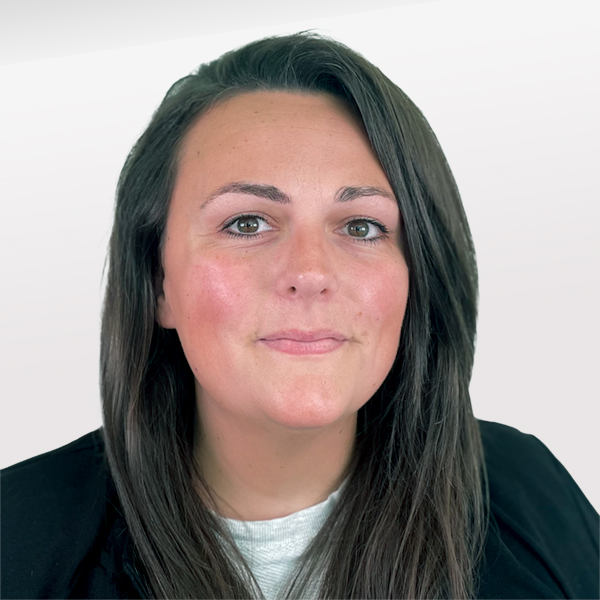
Jen McCaffrey
elle
Coordonnatrice des communications
jen.mccaffrey@nan-rna.ca
Lire la biographieJen cumule une décennie d’expérience en communication numérique, en conception graphique et en développement Web. Elle a collaboré avec divers organismes et entreprises axés sur la communauté afin de rendre des idées complexes accessibles et claires, tout en reflétant les besoins et les valeurs des personnes concernées. À titre de responsable de la coordination des communications pour le Réseau national de l’autisme du Canada, Jen dirige l’élaboration et la mise en œuvre de stratégies de communication inclusives et bilingues. Elle apporte son expérience vécue, et son parcours personnel à travers les lacunes en matière de soutien nourrit profondément son engagement envers une communication claire, non stigmatisante et centrée sur la communauté. Elle est déterminée à écouter, à apprendre et à veiller à ce que les communications du Réseau reflètent les expériences réelles des personnes autistes et de leurs familles.
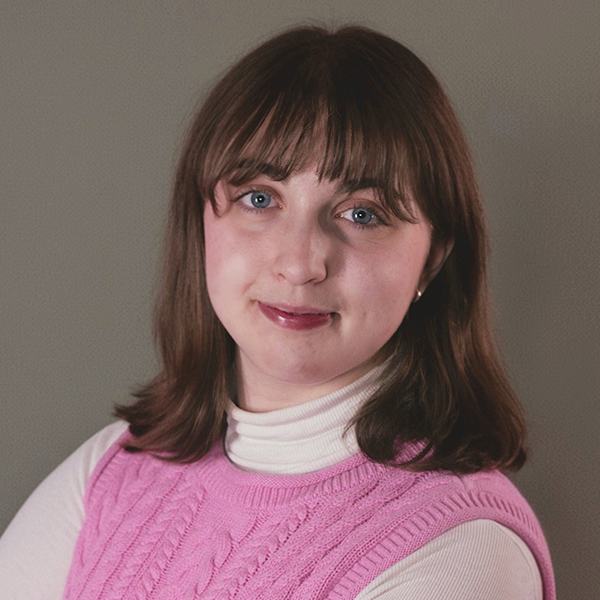
Sof Mehlitz
iel
Responsable de la coordination de l’engagement des communautés et des membres
sof.mehlitz@nan-rna.ca
Lire la biographieSof Mehlitz (iel) est une personne dévouée et passionnée œuvrant comme défenseur·euse et éducateur·rice en accessibilité sur le territoire traditionnel et non cédé des Wolastoqiyik, aussi connu sous le nom de Nouveau-Brunswick. Son travail repose sur la création d’espaces neuroaffirmatifs, accessibles et inclusifs qui mettent au centre et valorisent les expériences vécues. Dans son rôle précédent en fonction publique, iel a contribué à favoriser des milieux de travail plus sécuritaires et soutenants pour les personnes faisant face à des obstacles à l’emploi. Guidé·e par une profonde conviction envers le pouvoir transformateur de la communauté et des organisations de base, Sof s’implique activement dans le travail communautaire. Iel a précédemment coprésidé le Centre 203 pour la diversité des genres et des sexualités et siège actuellement au Comité jeunesse d’Eviance, où iel contribue aux discussions sur la justice en matière de handicap à l’échelle nationale ainsi qu’à la recherche menée par et pour les communautés. En dehors du travail, Sof est un·e cosplayeur·euse de niveau expert, et iel aime regarder la gymnastique et jouer à des jeux vidéo de ferme réconfortants pour se détendre.
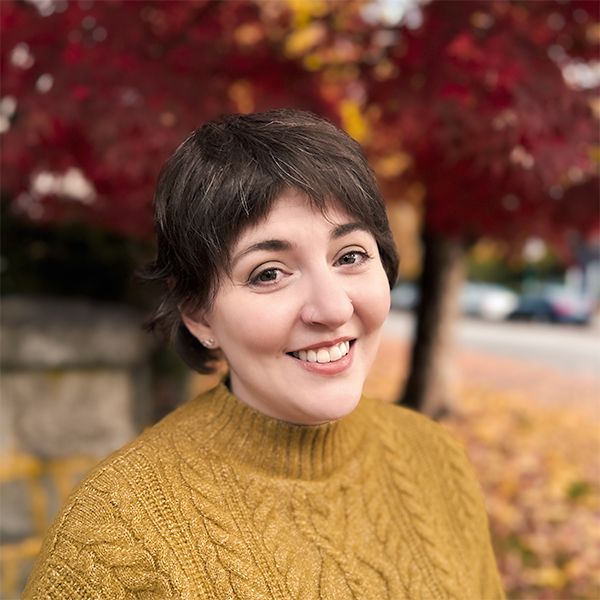
Elaina Moss
iel
Coordonnateur·rice de l’engagement des conseils
elaina.moss@nan-rna.ca
Lire la biographieElaina Moss (iel) est un·e professionnel·le autiste malentendant·e spécialisé·e en développement de programmes et de communautés, établi·e en Colombie-Britannique. Iel compte plus de dix ans d’expérience dans la conception et la mise en œuvre d’initiatives en santé mentale axées sur l’expérience vécue et en cours, incluant des programmes de soutien par les pairs, des formations communautaires et en milieu de travail, ainsi qu’un collège de rétablissement. Iel apporte une expertise en co-conception, en andragogie et psychoéducation, en mobilisation des parties prenantes et en gestion de projet. Elaina se passionne pour la création d’espaces inclusifs et collaboratifs où les perspectives des personnes autistes influencent concrètement les programmes et les systèmes. Iel s’intéresse particulièrement au soutien des personnes autistes vivant avec une maladie chronique, des troubles concomitants ou des identités croisées, ainsi qu’à celles assignées filles à la naissance et ayant reçu un diagnostic ou une reconnaissance tardive, incluant les femmes, les personnes non binaires et agenres. Avant de se consacrer à la santé mentale et au travail systémique, Elaina a passé quatre ans à soutenir des enfants autistes d’âge préscolaire non parlants à titre d’assistant·e en classe et en musicothérapie. En dehors du travail, Elaina aime explorer ses champs d’intérêt particuliers, notamment le théâtre musical, la technique vocale, la biologie marine et les jeux de rôle narratifs. Iel partage son foyer avec son conjoint et deux félins affectueux.
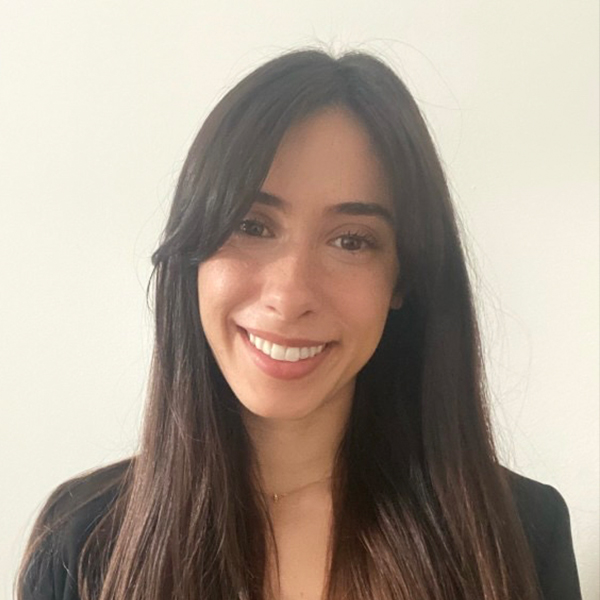
Marianna Papamihelakis
elle
Coordonnateur·trice de l’engagement des comités
marianna.papamihelakis@nan-rna.ca
Lire la biographieÀ venir!
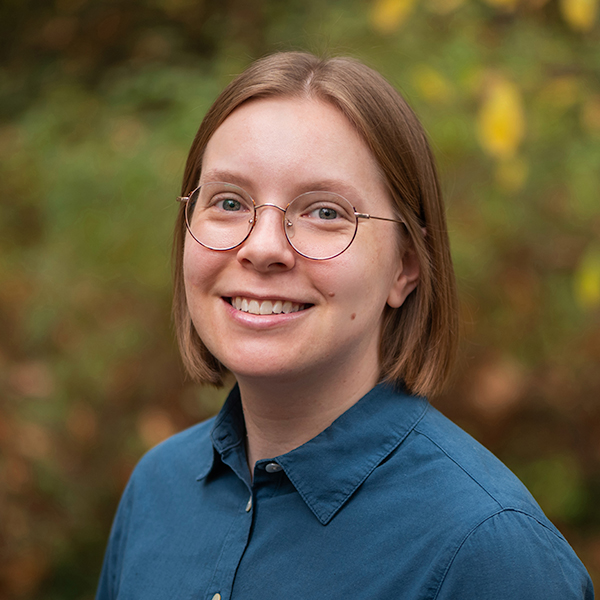
Olivia Tefft
elle
Principale analyste en recherche et en politiques
olivia.tefft@nan-rna.ca
Lire la biographieEn tant que femme autiste diagnostiquée à l’âge adulte, Olivia Tefft croit fermement à l’importance d’intégrer l’expérience vécue et les données empiriques pour élaborer des politiques et des programmes efficaces. Dans son rôle actuel de principale analyste en recherche et en politiques, elle soutient la mission du Réseau national de l’autisme par la recherche fondée sur les données probantes, l’analyse de politiques et la production de rapports. Olivia cumule huit années d’expérience en recherche, en coordination de projets et en mobilisation des parties prenantes dans le secteur de la santé. Elle a auparavant travaillé comme analyste des politiques à l’Agence de la santé publique du Canada, où elle a mené des analyses qualitatives et quantitatives pour appuyer des initiatives de données en santé publique. Durant cette période, elle a siégé au comité directeur du Réseau Infinity pour les fonctionnaires neurodivergents, contribuant à la création de ce premier réseau du genre, qui compte maintenant plus de 3 000 membres à travers la fonction publique fédérale. Plus récemment, elle a travaillé à la Public Health Association of British Columbia, où elle a dirigé une initiative à l’échelle provinciale visant à élaborer un plan d’action communautaire pour faire progresser le cadre de santé publique et de santé des populations de la Colombie-Britannique. Elle détient une maîtrise ès arts en psychologie de la santé et de l’exercice de l’Université du Manitoba, où sa thèse s’appuyait sur des cadres de transfert des connaissances pour examiner comment les différentes conceptions de la douleur chronique influencent les approches d’évaluation et de traitement. Établie sur l’île de Vancouver, Olivia aime explorer et en apprendre davantage sur l’environnement local, jouer à des jeux vidéo, nager, lire des romans fantastiques et de science-fiction, faire de la musculation, écouter de la musique et passer du temps de qualité avec son partenaire et leurs trois chats.

Rébecca Kintzinger
elle
Conseillère à l’accessibilité
rebekah.kintzinger@nan-rna.ca
Lire la biographieRebekah Kintzinger est une défenseure, autrice et conseillère à l’accessibilité autiste canadienne, basée à Kelowna (C.-B.). Diagnostiquée en 2012, elle travaille depuis plus de 7 ans à faire progresser l’accessibilité, l’équité et l’inclusion pour les personnes autistes et en situation de handicap, au Canada et à l’international. Son travail couvre les secteurs de la santé, de l’éducation et des politiques publiques, en mettant les perspectives autistes au cœur de publications, de conférences et de mémoires destinés aux gouvernements. Elle a été publiée dans Autistics Aloud et dans la Revue canadienne de l’équité en autisme, a pris la parole lors d’événements nationaux et internationaux, et a été citée dans des discussions au Sénat et dans les médias. Rebekah contribue actuellement à développer des pratiques de communication neuroaffirmatives et des contenus accessibles. Elle offre également du mentorat à d’autres personnes autistes et collabore à des projets centrés sur l’expérience vécue et les changements systémiques. Créative et ancrée dans sa communauté, Rebekah apporte compassion et curiosité à tout ce qu’elle entreprend, des politiques publiques à la parentalité. Elle vit avec sa famille neurodivergente, aime dessiner et écrire, et est connue pour rejouer des sketches des Monty Python avec ses enfants.
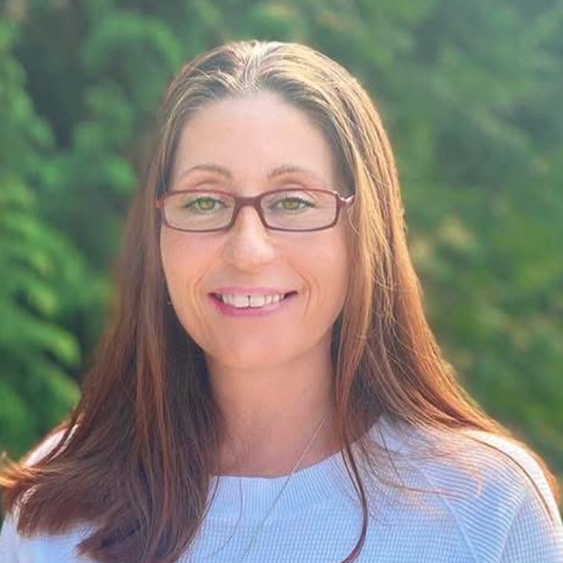
Jennifer Branston
elle
Adjointe administrative
jennifer.branston@nan-rna.ca
Lire la biographieJennifer Branston est une ardente défenseure de l’autisme et de l’accessibilité, déterminée à promouvoir l’équité et à remettre en question le capacitisme systémique en Colombie-Britannique. Son engagement envers des communautés inclusives se reflète dans sa participation au comité consultatif sur les handicaps de la North Shore, ainsi que dans ses rôles au sein des conseils d’administration d’Autism Community Training (ACT) et d’Autism B.C. Jennifer prend souvent la parole sur les sujets liés à la neurodivergence, aux pratiques neuroaffirmatives et au capacitisme, notamment à l’Université de la Colombie-Britannique (UBC) et à l’Université Simon Fraser (SFU). En tant qu’ancienne présidente du North Vancouver Parent Advisory Council (NVPAC), elle a dirigé les comités sur la diversité, l’équité, l’inclusion et les handicaps pendant plus de sept ans, apportant une perspective précieuse à la fois comme adulte autiste et comme parent d’une personne autiste. Elle agit également comme mentore en santé à UBC et a reçu en 2024 le prix George Matthew pour l’excellence en leadership parental, décerné par la BC Confederation of Parent Advisory Councils (BCCPAC). Par son leadership, son engagement communautaire et ses actions de sensibilisation, Jennifer travaille à favoriser des pratiques inclusives et à approfondir la compréhension de l’autisme dans les milieux de l’éducation, de la santé et dans la société en général.
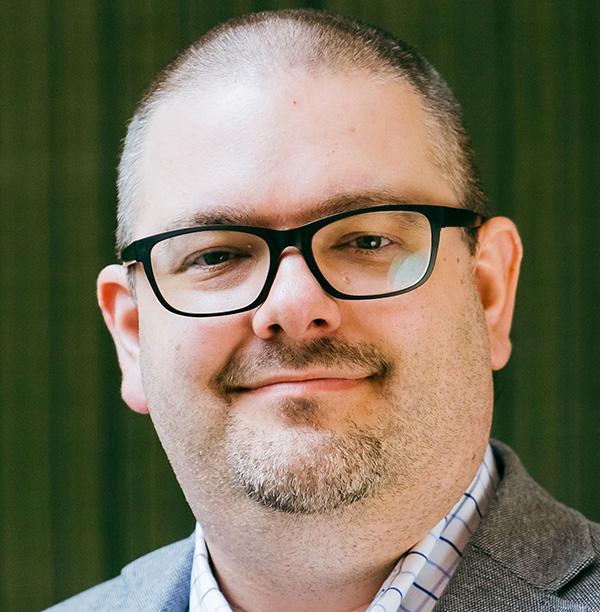
Dr. Mackenzie Salt
il
Courtier du savoir
mackenzie.salt@nan-rna.ca
Lire la biographieLe Dr Mackenzie Salt est un chercheur autiste dans le domaine de l’autisme et un associé de recherche auprès de l’équipe de recherche sur l’autisme de l’Université McMaster et du Centre national de collaboration en autisme. Il est également professeur adjoint à temps partiel au département de psychiatrie et de neurosciences du comportement de l’Université McMaster. Il détient un doctorat en sciences cognitives du langage de l’Université McMaster et est ancien boursier du programme Health System Impact Fellowship. Il possède une expertise en recherche qualitative et en mobilisation des personnes concernées. Il travaille auprès de personnes autistes depuis plus de 15 ans. Il participe actuellement à plusieurs projets ayant tous pour but de recueillir les expériences vécues des adultes autistes et d’utiliser ces connaissances pour appuyer des changements dans les politiques publiques. Il est également rédacteur en chef du comité de rédaction entièrement autiste de la Revue canadienne de l’équité en autisme.
Conseil d’administration

Maddy Dever
Présidence du conseil d’administration
Lire la biographieJe suis une personne autiste, militante, autrice, conférencière et parent de quatre jeunes adultes autistes (âgés de 17 à 26 ans). J’habite dans la petite ville rurale de Smiths Falls, tout près d’Ottawa, et j’apporte à la fois mon expérience vécue et mes connaissances en gouvernance. Depuis une dizaine d’années, je travaille à travers le Canada pour faire évoluer la conversation sur l’autisme et le handicap vers les forces, l’acceptation et l’inclusion. Je fais de la défense des droits auprès de tous les ordres de gouvernement et auprès d’organisations partout au pays pour que les personnes autistes et leurs familles ne soient pas seulement entendues, mais réellement impliquées dans l’élaboration des politiques et des programmes qui nous concernent. Au cours des quatre dernières années, j’ai été coprésidente-vice-présidente du conseil d’administration d’Autism Alliance of Canada et je suis actuellement la présidente intérimaire du conseil d’administration du Réseau national de l’autisme. Je participe aussi à des initiatives en recherche, en éducation et en santé qui misent sur la co-conception et l’expertise fondée sur l’expérience vécue. Je poursuis mon engagement au sein du conseil d’administration du Réseau national de l’autisme pour soutenir notre mission d’aider les personnes autistes à s’épanouir, en orientant notre gouvernance avec transparence, compassion et la conviction qu’une véritable inclusion commence lorsque nous dirigeons ensemble.
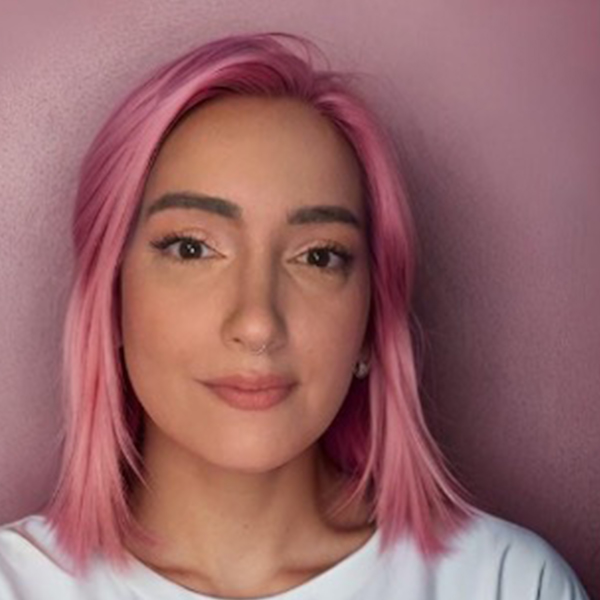
Dani Marshall
Vice-présidence du conseil d’administration
Lire la biographieJe m’appelle Dani et je vis avec ma famille à Gatineau, au Québec, où je suis la fière mère de deux filles. Je suis une femme innue et membre de la Première Nation Pekuakamiulnuatsh (Mashteuiatsh). Mes expériences vécues nourrissent profondément mon travail, et je m’engage à faire en sorte que les voix autochtones soient entendues et valorisées à chacune des tables où je siége. Je travaille comme conseillère en gestion de projets à Services aux Autochtones Canada, où je me concentre sur la réforme des services à l’enfance et à la famille ainsi que sur la modernisation des données. Je détiens la certification Project Management Professional et je suis passionnée par la mise en œuvre d’initiatives qui soutiennent et renforcent les communautés. En tant que personne neurodivergente ayant une expérience vécue du TDAH et de l’autisme, j’apporte une perspective unique et intersectionnelle autant dans mon travail que dans mes rôles bénévoles. Je crois que la représentation est essentielle — et que les voix autochtones et neurodiverses doivent être au cœur de l’élaboration des politiques et des communautés qui nous concernent. En dehors de ma carrière dans la fonction publique, je fais du bénévolat avec les Guides du Canada et je m’implique activement au sein du Infinity Network, une communauté pour les fonctionnaires neurodivergents. Je suis honorée et ravie d’avoir été élue au conseil d’administration du Réseau national de l’autisme. J’ai hâte de mettre à contribution mes compétences en gouvernance, en gestion de projets et en mobilisation communautaire. Surtout, je souhaite contribuer à renforcer une voix nationale qui place au centre les perspectives, les droits et la dignité des personnes autistes et autochtones au Canada.
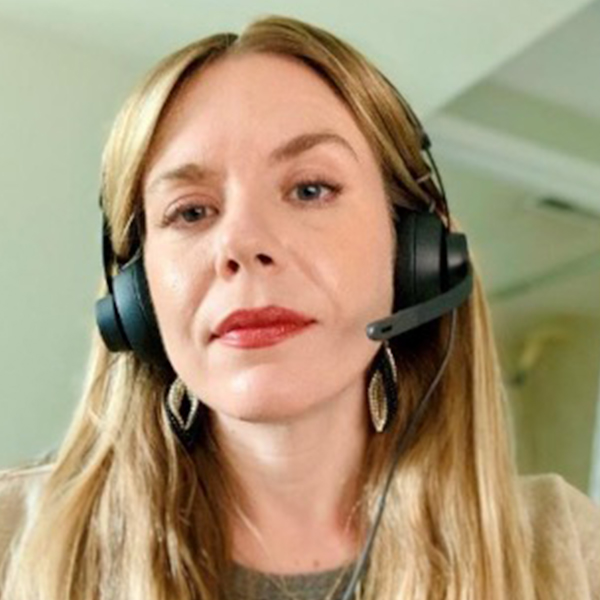
Amanda Hutchison
Lire la biographieBonjour/Hello, je m’appelle Amanda Hutchison et je suis une personne allochtone vivant sur le territoire de la Première Nation Qayqayt, connu de façon coloniale sous le nom de New Westminster, en Colombie-Britannique. Ayant travaillé au sein de la fonction publique provinciale et fédérale, j’exprime mon esprit créatif en tant qu’autrice qui rend les tendances culturelles et sociétales plus accessibles. Pour contrebalancer le temps que je passe en ligne, je fais de la chasse au verre de mer. Cette activité combine exercice, contact avec la nature et reconnaissance de motifs — un mélange qui stimule mon cerveau neurodivergent. Je me suis autodiagnostiquée autiste en 2003, lorsqu’une amie a partagé avec moi son diagnostic clinique, auquel je me suis reconnue dans chaque mot. Aujourd’hui, je vis ouvertement comme adulte autiste, grâce au soutien d’organisations dédiées au handicap comme AutismBC, le Centre canadien de réadaptation et de travail et Neil Squire. Mon désir de siéger au conseil d’administration du Réseau national de l’autisme vient non seulement de mon expérience vécue en tant que jeune autiste sans soutien, mais aussi de ma volonté de représenter les adultes autistes comme moi qui ne peuvent maintenir un emploi durable et vivent au seuil ou sous le seuil de la pauvreté. Je m’engage à défendre l’amélioration et l’expansion des investissements dans les programmes d’emploi afin que beaucoup plus de personnes autistes au Canada puissent accéder à un travail durable et valorisant.
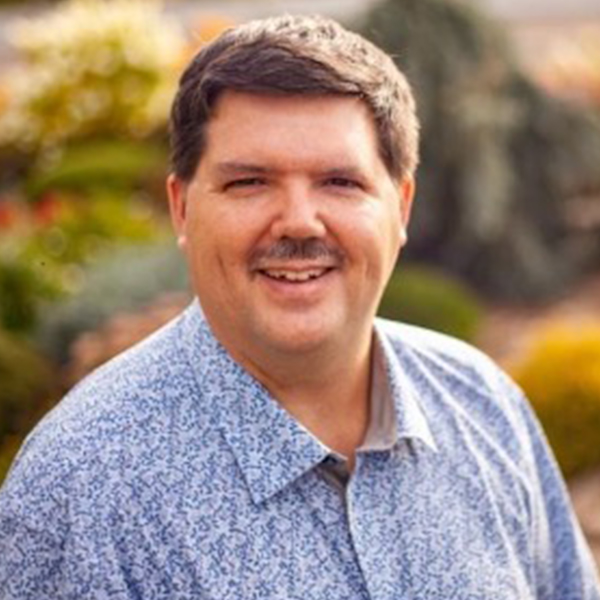
Corey Walker
Lire la biographieJe vis à Dawson Creek, dans le nord de la Colombie-Britannique, avec ma conjointe autiste. Je suis un conférencier motivateur autiste qui outille et valorise les personnes autistes et autres personnes neurodivergentes, ainsi que leurs familles, en partageant certaines des stratégies que j’ai utilisées pour surmonter de nombreux défis dans ma vie. Je crois que tout le monde a droit à une vie pleine et enrichissante. Je partage également comment leur unicité peut être utilisée comme une force. J’ai reçu un diagnostic d’autisme au début de la vingtaine et j’ai connu à la fois du succès et de la discrimination en raison de ce diagnostic. Je suis impliqué auprès de l’Autism Alliance depuis 2019, j’ai rejoint leur conseil d’administration en 2020, et j’ai travaillé pour divers organismes en autisme entre 2012 et 2022. Durant cette période, j’ai rédigé un outil sur l’emploi des personnes autistes (reflétant les voix de 172 personnes autistes) et j’ai milité pour une inclusion complète de la communauté autiste dans la société. J’ai joint le conseil d’administration du Réseau national de l’autisme parce que je crois qu’il est essentiel que des voix provenant de petites et de grandes communautés soient représentées, afin que la stratégie nationale canadienne en matière d’autisme reflète réellement les besoins de toute la communauté autiste. Je serai un défenseur infatigable de toutes les personnes autistes, peu importe leur lieu de résidence ou leur parcours.
Debra Brin
Lire la biographieJ’habite dans une communauté rurale en Saskatchewan et je passe mon temps à lire, écrire et jardiner. J’ai découvert que je suis autiste après ma retraite, après avoir exercé une grande variété d’emplois pour lesquels je n’ai jamais compris pourquoi ils ne me convenaient pas. J’ai aussi été le parent monoparental d’un fils autiste qui a vécu jusqu’à l’âge de 36 ans. Né en 1974, il a lui aussi vécu sans diagnostic, car nous étions tous deux des « masqueurs habiles ». Nous étions conscients de notre différence par rapport aux autres, mais pas de l’ampleur de nos difficultés. Je crois pouvoir apporter au conseil d’administration la voix des personnes autistes non diagnostiquées ou diagnostiquées tardivement, qui n’ont jamais eu l’occasion de faire des choix éclairés pour orienter leur vie, comprendre leurs enjeux de santé, accéder au soutien ou même trouver d’autres personnes autistes. Beaucoup d’entre nous ayant des enjeux sensoriels finissent par se trouver les uns les autres dans les petites villes, une fois à la retraite, là où la vie est plus lente et plus calme, et où un logement est parfois plus accessible. Beaucoup d’entre nous se retrouvent aussi sans logement, à différents moments de leur vie. En plus de cette perspective, j’apporte des compétences et des réflexions issues de ma participation et de mon engagement dans des groupes de justice sociale, qui peuvent être utiles pour améliorer les possibilités et les conditions de vie des personnes autistes. Le Réseau national de l’autisme me donne de l’espoir : celui que nous pouvons apporter des changements positifs, malgré l’afflux de désinformation qui circule actuellement dans notre pays.
Evan Rubin
Lire la biographieEvan Rubin, de Richmond, en Colombie-Britannique, est un créateur de liens, un défenseur engagé et un penseur stratégique doté de plus de 25 ans d’expérience en leadership dans les secteurs communautaire et privé. Reconnu pour son approche créative et axée sur les personnes, il a établi de solides relations avec des organismes de base, des réseaux nationaux, des partenaires gouvernementaux et des leaders du milieu des affaires afin de promouvoir l’inclusion et la collaboration communautaire. L’expérience professionnelle d’Evan couvre plusieurs secteurs, notamment en tant qu’analyste d’affaires et gestionnaire de projets AQ pour une plateforme internationale d’approvisionnement B2B, ainsi que dans la mise en place et la gestion des opérations de la côte Ouest pour une agence nationale de recrutement. Plus récemment, il a occupé un rôle d’engagement communautaire axé sur l’inclusion au sein d’un organisme en autisme, où il a dirigé des initiatives visant la participation réelle des personnes autistes, l’engagement communautaire et le soutien tout au long de la vie, tout en renforçant les partenariats et en amplifiant les voix des personnes autistes et de leurs familles dans l’élaboration de pratiques inclusives. Dans ses rôles professionnels et bénévoles, Evan a établi d’importants partenariats communautaires et corporatifs et aidé des organisations à se développer grâce à la planification stratégique, au développement de nouveaux programmes et à la création d’initiatives d’affaires. Son approche collaborative a permis d’obtenir des financements majeurs pour des organismes à but non lucratif, notamment en créant de nouvelles opportunités de collecte de fonds et des partenariats avec des entreprises, en mobilisant les donateurs et les communautés, ainsi qu’en rédigeant et soutenant des demandes de subventions fructueuses. En tant que père d’un fils autiste, Evan apporte plus de 20 ans d’expérience vécue et en cours de vécu. Le parcours de sa famille lui a donné une compréhension approfondie des obstacles auxquels font face les personnes autistes et leurs familles, notamment en ce qui concerne le dépistage et le diagnostic, l’inclusion économique, ainsi que l’accès aux services et aux ressources. Cela nourrit sa détermination à bâtir un Canada plus inclusif pour les personnes autistes comme son fils et pour les familles comme la sienne. Evan croit fermement que les personnes autistes et leurs familles doivent être véritablement impliquées dans l’établissement des priorités et des actions. Son objectif au sein du conseil d’administration du Réseau national de l’autisme est de contribuer à un changement réel et durable, en veillant à ce que les politiques, les programmes et les investissements soient guidés par la sagesse des communautés, la responsabilité et un engagement soutenu dans la mise en œuvre.

Daniel Paulin

Lydia Clarke Rehman
Lire la biographieJe m’appelle Lydia Clarke Rehman et je viens de Toronto, en Ontario. Je détiens un baccalauréat ès sciences en anthropologie, un baccalauréat en droit, ainsi qu’une maîtrise en santé publique (santé des Autochtones). Je possède également un certificat d’études supérieures en autisme et en sciences du comportement. J’ai plus de cinq années d’expérience professionnelle en recherche en santé et en soutien à la réussite étudiante dans le milieu postsecondaire. Je suis une apprenante à vie et j’aime écrire, lire, peindre, voyager, m’engager dans ma communauté, fabriquer des bijoux et pêcher pendant mes temps libres ! Je suis autiste, et mes expériences à travers des systèmes souvent marqués par le capacitisme ont profondément nourri ma passion pour la défense des droits. Ces défis m’ont donné une perspective critique sur l’accessibilité et sur l’importance de l’inclusion réelle des voix autistes et neurodivergentes. Je suis déterminée à contribuer à bâtir un Canada où les expériences vécues des personnes autistes et de leurs familles orientent les politiques, les systèmes et les communautés. J’apporte ma formation, mon expertise en politiques publiques, mes aptitudes en gouvernance ainsi que mon expérience vécue pour promouvoir l’inclusion, l’équité et les possibilités en éducation, en politiques et dans la vie communautaire. Siéger au conseil d’administration du Réseau national de l’autisme me permettra de mettre ces expériences à profit pour renforcer la représentation et créer des occasions significatives pour les personnes autistes à l’échelle du pays.
Mathieu Giroux
Lire la biographieJe suis une personne autiste et considérée comme inapte à l’emploi. J’ai également plusieurs diagnostics en santé mentale : anxiété, dépression, automutilation, trouble de stress post-traumatique et épisodes suicidaires. Malgré cela, je suis très impliquée dans la communauté autiste au Québec. Depuis plus de dix ans, je suis co-chercheuse en autisme. J’ai coécrit plusieurs études portant sur divers thèmes liés à l’inclusion des personnes autistes et j’ai développé un modèle théorique sur le camouflage social. Depuis cinq ans, je me concentre sur des projets de recherche qui favorisent l’autodétermination et des soins sans stigmatisation pour les personnes autistes. Je suis également active à l’échelle provinciale en tant que membre du comité de gestion du Réseau national d’expertise en TSA (RNETSA) et du Réseau pour transformer les soins en autisme (RTSA-TACC). Mon expérience vécue — combinant forces et défis — ainsi que l’intersectionnalité associée au fait de faire partie de la communauté LGBTQ+ et de vivre dans la précarité économique m’offrent une perspective précieuse sur la diversité des enjeux au sein de la communauté autiste. Mon intérêt à siéger au conseil d’administration du Réseau national de l’autisme repose sur le proverbe : « Seul, je vais plus vite, mais ensemble, nous allons plus loin. » Alors, allons plus loin, ensemble !
Robin Carrey
Lire la biographieJe m’appelle Robin Carrey. Je suis une éducatrice AuDHD établie à Whitehorse, au Yukon. Je suis une grande lectrice, une passionnée de recherches approfondies, une maman de chien et une curieuse invétérée de l’apprentissage. Au cours de ma carrière en éducation, mes matières de prédilection ont été le théâtre, les sciences humaines (à travers une perspective de justice sociale), l’anglais et le soutien à mes élèves neurodivergents. Je travaille actuellement au ministère de l’Éducation comme gestionnaire de projet, où je partage mes efforts entre nos divisions RISE (Reimagining Inclusive and Special Education) et Services de soutien aux élèves. J’ai grandi à une époque où le TDAH et l’autisme n’étaient pas considérés comme des profils présents chez les petites filles. Il m’a fallu des décennies pour obtenir un diagnostic de TDAH, et mon autisme demeure autodiagnostiqué. Mon équipe de soins est unanime quant à mon profil autistique, mais personne ne souhaite assumer les coûts d’un diagnostic officiel, particulièrement difficile à obtenir pour une femme adulte vivant dans le Nord. Je souhaite contribuer à créer un Canada où la stigmatisation envers toutes les personnes neurodivergentes, y compris celles autistes, est éliminée – un pays où nos façons particulières d’interagir avec le monde, de percevoir et de traiter l’information sont reconnues, plutôt que considérées comme des défauts. Je veux que mes élèves vivent dans un monde où leurs façons d’être sont acceptées, valorisées et véritablement comprises.
Tom Jackman
Lire la biographieTom est un défenseur de l’acceptation des personnes autistes. Il a été invité à prendre la parole et à donner des présentations lors de nombreuses conférences nationales, notamment la conférence du Geneva Centre for Autism à Toronto, la principale conférence internationale sur l’autisme. Tom apparaît dans le film Autism Grows Up, une production Kelly Brothers/Ability Hub qui traite des défis liés à l’emploi pour les jeunes adultes autistes. Il est également présenté dans le livre Autism: The Gift That Needs to Be Opened, une ressource destinée à améliorer la vie des parents, des éducateurs et des personnes autistes. En 2013, Tom a reçu la Médaille du jubilé de diamant de la Reine pour souligner son travail bénévole auprès de l’Autism Society of Newfoundland and Labrador. En 2023, Tom a reçu le deuxième Prix annuel de leadership en autisme Jim et Ginette Munson de l’Alliance canadienne de l’autisme, en reconnaissance de son leadership et de son engagement envers la sensibilisation et l’acceptation de l’autisme. Tom a fait partie d’une équipe d’adultes autistes et de membres de leur famille qui a élaboré un guide de littératie en santé mentale pour les adultes autistes. Le projet de littératie en santé mentale en autisme (AM-Help) est disponible en ligne et résulte d’un partenariat entre l’Université York, l’Agence de la santé publique du Canada et le Centre de toxicomanie et de santé mentale. Ce projet a également produit six vidéos animées sur YouTube visant à mieux comprendre la santé mentale et le bien-être autistiques, ainsi que les soutiens disponibles. Tom est leader et ambassadeur de la neurodiversité chez Motormind Garage. Motormind Garage est un programme novateur et inclusif axé sur le sport motorisé qui rassemble des personnes neurodivergentes ainsi que d’autres profils neurologiques, comme les commotions cérébrales et la dyslexie. Motormind croit au pouvoir du sport motorisé. Leurs activités tournent autour de la mécanique et des sports automobiles — de la “thérapie moteur” à la construction de voitures. Ce programme unique et inclusif destiné aux personnes passionnées de course, de simulateurs, de karting et de pilotage sur piste permet de s’impliquer dans la technologie automobile et les sports motorisés tout en développant des compétences transférables menant à l’emploi et à des possibilités futures durables. Tom a récemment terminé un long mandat au conseil d’administration d’Autism Canada et a également siégé au conseil de l’Autism Society of Newfoundland and Labrador. Il est membre du Conseil d’action pour l’autisme à Terre-Neuve-et-Labrador, qui met en œuvre le Plan d’action provincial en matière d’autisme. Ce plan, dirigé par le gouvernement provincial, vise à améliorer les services en autisme grâce à une approche intégrée de l’ensemble des ministères. L’objectif est d’élargir et d’améliorer le soutien offert aux personnes autistes et à leurs familles. Tom est aussi ambassadeur communautaire pour Disability Without Poverty. De son conseil d’administration à ses coordonnateurs provinciaux, en passant par son personnel et ses partenaires communautaires, Disability Without Poverty partage une mission commune : favoriser la prospérité, unir nos forces, mobiliser les communautés et assurer la participation pleine et entière de toutes les personnes en situation de handicap au Canada. Tom est membre de l’équipe consultative autiste d’ACT (Autism Community Training). Tom vit à St. John’s, à Terre-Neuve-et-Labrador. Pour contacter Tom Jackman, vous pouvez lui écrire à : tagjackman@gmail.com
Ying Wu, PhD
Lire la biographieCalgary, Alberta Je suis une scientifique formée au doctorat et j’ai plus de 30 ans d’expérience en recherche cérébrale dans des universités en Chine, aux États-Unis et au Canada. Parallèlement à ma carrière scientifique, je suis profondément impliquée dans des initiatives communautaires axées sur le trouble du spectre de l’autisme (TSA) et le soutien aux familles. Depuis plus de dix ans, j’appuie des familles immigrantes chinoises qui élèvent des enfants autistes. Depuis 2022, je siège au Comité consultatif provincial des parents – Soutien aux enfants ayant des incapacités (FSCD). Depuis 2023, je suis également mentore par les pairs et conseillère familiale pour le programme Family-to-Family Connections à l’Hôpital pour enfants de l’Alberta, ainsi que membre du conseil d’administration de l’Académie Janus, une école privée dédiée aux élèves autistes. En tant que mère d’un jeune autiste, j’ai développé une profonde appréciation des forces et du potentiel uniques de chaque personne autiste. Mon expérience vécue a renforcé ma conviction que, grâce à des soutiens appropriés et à des environnements inclusifs, les personnes autistes peuvent s’épanouir et contribuer de manière significative à leur communauté. En 2024, j’ai cofondé Spectrum Promising Association (SPA), un organisme à but non lucratif dédié à l’avancement de la compréhension, de l’inclusion et des opportunités pour les personnes autistes. Grâce à une approche axée sur les forces, SPA s’efforce de créer des environnements inclusifs où les personnes autistes peuvent s’épanouir et être valorisées pour leurs contributions uniques. Je souhaite mettre à contribution mon expertise scientifique, mon expérience communautaire et mon parcours personnel — tout en apprenant des autres à travers le Canada. En travaillant ensemble, en partageant nos perspectives diverses et en misant sur nos forces collectives, je crois que nous pouvons améliorer les conditions de vie des personnes autistes et de leurs familles.
Autistic Advisory Council
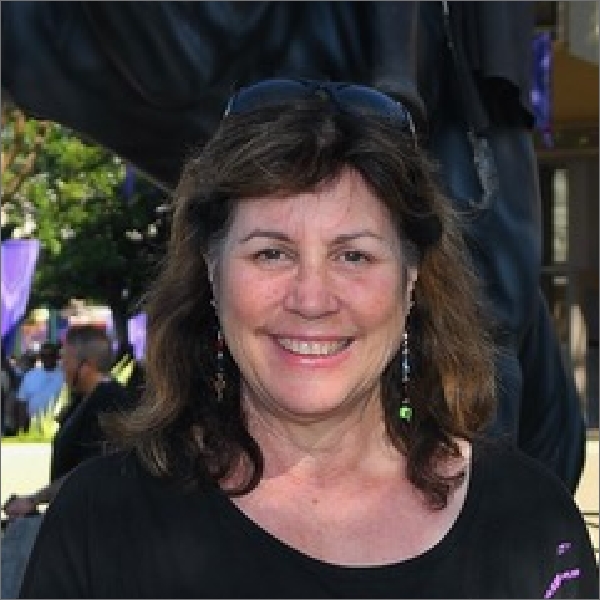
Cyndi Gerlach
Co-Chair
Lire la biographieCyndi Gerlach (Co-Chair) is an autistic advocate and national disability leader living on the unceded territory of the Coast Salish Peoples, specifically the Skwxwú7mesh (Squamish) and səl̓ílwətaʔɬ (Tsleil-Waututh) Nations, in what is now known as North Vancouver, British Columbia. She is a lifelong advocate for disability rights, with decades of experience advancing equity, inclusion, and systemic change through grassroots organizing, governance, and public policy.
Cyndi was elected as a Trustee on the North Vancouver School District Board of Education in 2011 and has served in leadership roles with organizations including Inclusion BC and the Autism Alliance of Canada, where she is currently Vice Chair. Diagnosed as autistic in 2020, she brings both lived experience and long-standing advocacy to her work, centering Autistic-led and Autistic-informed approaches.
Her work challenges stigma and ableism while promoting acceptance, dignity, and self-determination across education, healthcare, employment, and community life. Cyndi is honoured to work alongside Autistic leaders and allies through the National Autism Network to advance a coordinated, inclusive, and rights-based National Autism Strategy for Canada.
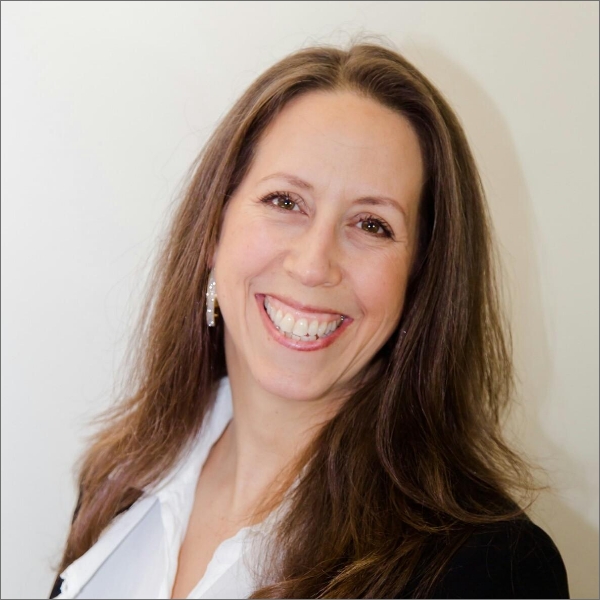
Suzanne Perreault
Co-Chair
Lire la biographieSuzanne Perreault (Co-Chair) is a proud autistic self-advocate and mother of three autistic young adults. As Executive Director of AutismBC, British Columbia’s leading neuro-affirming autistic-led charity, she champions neuroaffirming, trauma-informed, and demand-aware supports that centre autonomy, choice, and lived experience.
With over 20 years in community development and mentorship, Suzanne offers private counselling for neurodivergent women in support of PDA, ADHD, anxiety, and trauma recovery. A former School Trustee and past chair of the BCCPAC Inclusive Education Committee, she has worked province-wide to build equitable, barrier-free learning environments. Suzanne currently co-chairs the Autistic First Voice Council, a standing committee of the National Autism Network, ensuring autistic voices lead national policy and practice. She is also a grassroots admin with BCEdAccess and a TEDx speaker (“The Story Untold is the Story Not Healed”). Nominated twice for the Fraser Valley Diversity Award and BC Excellence in Autism Awards, Suzanne’s gentle, bridge-building approach creates safe, inclusive spaces where neurodivergent people thrive on their own terms.
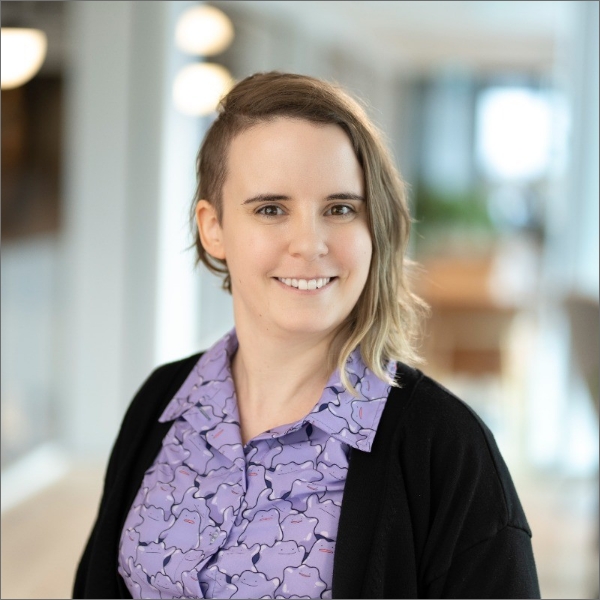
AJ Jones
Lire la biographieMy name is AJ (she/they), and I’m a late-diagnosed AuDHD veteran, currently living and working in Toronto.
Growing up my autistic and ADHD traits were missed and mischaracterized because I was quiet and performed well in school. Teachers frequently suggested to my parents that I “skip a grade” but resorted to giving me additional work when they refused. I also realized at a young age, after years of isolation and bullying, that if I “acted normal” I could more easily move through the world. So, I was entirely unprepared and ill-equipped when I started my first year of university and barely scraped through with passing grades. If I wasn’t attending school under a military training program, I may very well have failed or dropped out.
I was finally diagnosed with Autism and ADHD in my mid-thirties after developed C-PTSD and MDD and was no longer able to sustain masking. My mental health diagnoses led to a medical release from the military, after which I went back to school with the goal of building a life and career where I could fully be myself.
Damon Kirsebom
Lire la biographieDamon Kirsebom is a 24-year-old (mostly) nonspeaking autistic individual who learned to type his thoughts at age 15. He graduated from high school, and now attends university, with an interest in policy and sociology. Damon is committed to sharing his experiences with parents and professionals, with the goal that all nonspeaking autistic people will be fully included in our society. Along with many presentations, he has produced educational videos and collaborated with educators and researchers. He has also written a chapter in the book, “Leaders Around Me”, and has 4 poems published in Mentoring Minds’ Volume 1 & 2 “Pointed Poetry” books. Damon is also featured in Communication First’s short film, “Listen,” and is an interviewer in the Canadian version of “The Assembly”.
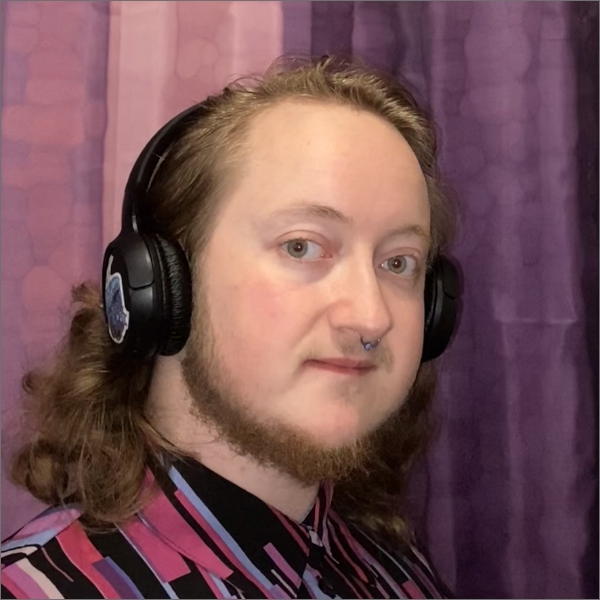
Fenn Hafey
Lire la biographieMy familiarity with Autism comes from personal and professional experience. Despite knowing I was Autistic from my family since childhood, I was only diagnosed with AuDHD and PTSD in 2025 and am reworking my life around my neurodivergence with support from my Autistic friends and partner. I believe strongly in the power of Autistic community.
From 2022 to 2025, I worked in developmental disability services in Woodstock, Ontario, providing direct support to Autistic people with a diverse range of needs, as well as coordinating a children’s respite care program. I have seen how different each Autistic life can be, but also how much we have in common. I want to work towards inclusion and self-determination for Autistic people nationwide, at all levels of support needs.
Since 2025, I have been studying to go into social work. I am a part-time tutor, helping educate several children that classrooms sometimes fail to accommodate. I love acting and develop my skills in local theatre. I also volunteer with Big Brothers Big Sisters’ PRISM Program for 2SLGBTQ+ youth and facilitate Safer Spaces training with Oxford County’s Rainbow Coalition. I mostly go by he/they but prefer xe/xim/xis/ximself whenever possible.
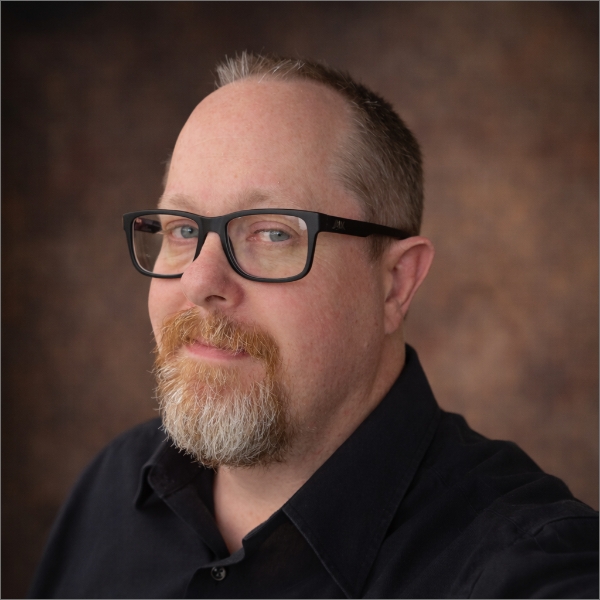
Glen Greenly
Lire la biographieGlen Greenly (he/him) is an autistic poet and Library Systems Analyst based in British Columbia. In my day job, I work in post-secondary libraries, where I’m often translating information about systems and processes into something approachable. I care a lot about accessibility, privacy, and how information lands in real life, not just on paper.
I’m a Level 2 support needs late-diagnosed autistic adult with lived experience navigating life before diagnosis and life post-diagnosis in healthcare, employment, and accessing disability supports. I’ve learned firsthand how much consistency, dignity, and practical follow-through matter. As a poet, I write honestly about attention, life’s nuances, and resilience. Precise language matters to me.
On the Autistic Advisory Council, I’m here to listen, ask careful questions, and help move ideas into actions that improve daily life for autistic people across the lifespan. I’m grateful for the opportunity to contribute to advancing Canada’s Autism Strategy.
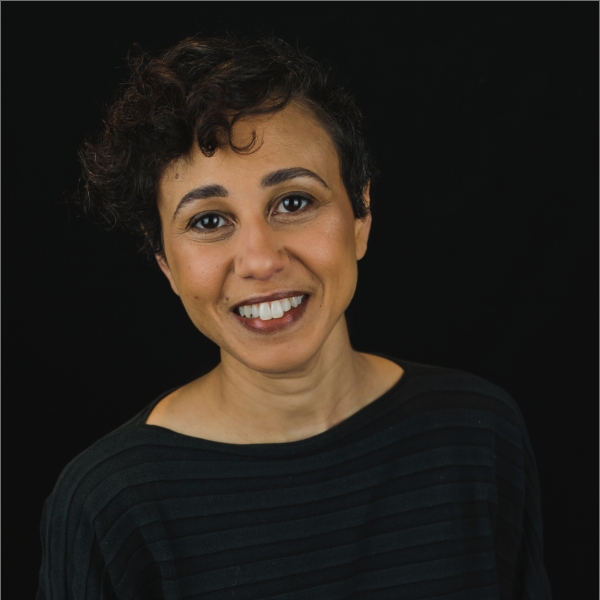
Kelly Bron Johnson
Lire la biographieKelly Bron Johnson (she/they) is an Autistic and Hard-of-Hearing self-advocate, keynote speaker, author, and founder of Completely Inclusive and the Autistic Entrepreneurs Network. As a mixed-heritage Black, non-binary person, Kelly Bron brings her intersectional identity into all her work and aims to break down the stigmas and systemic barriers that exist in society to make the path easier for others.
Kelly Bron is also a Certified Psychological Health and Safety in the Workplace Advisor, a Mental Health First Aider, a Grief First Aider, a Workplace Mediator, and holds a Professional Certificate in Restorative Justice from Vermont Law and Graduate School.
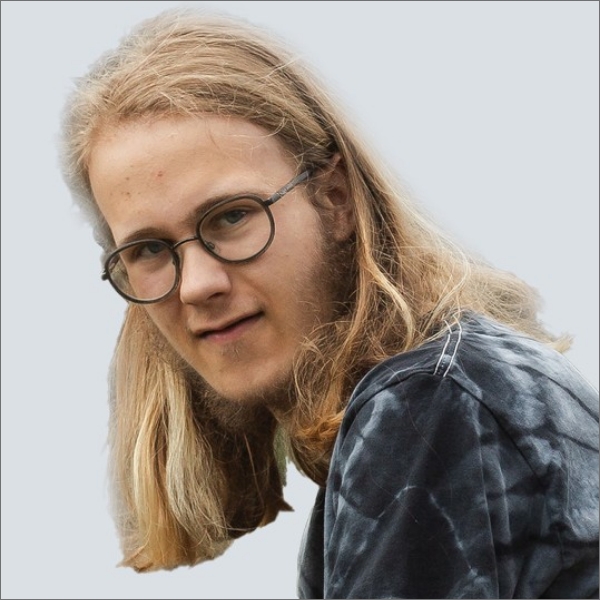
Luke Verhoeff
Lire la biographieLuke Verhoeff is 21, an autistic nonspeaker who found his voice at 19. He is a self-professed max-chill hippie at heart. He aspires to become a poet.
Since becoming an open Speller, Luke has completed his first university course; written 15 poems—4 of which are published in Mentoring Minds’ Volume 1 & 2 “Pointed Poetry” books (available on Amazon); collaborated with his mom on their journey story in their book “Hopenstone” (available on Amazon); participated in a webinar sponsored by Aide Canada; was interviewed in a podcast called “Encouraging Nonspeakers: How Luke found his voice through RPM”; and worked with the University of Calgary Ethereal Team on research projects involving the potential use of virtual / eye-gaze letterboards. He was also a cast member in the CBC Gem TV Show “The Assembly” and he has been interviewed by CFJC-TV television and CBC radio.
Luke is passionate about advocating for and representing non/minimal/unreliable-speaking autistic people. His purpose in life is to make sure that no one has to go through what he went through, by bringing awareness to apraxia (brain-to-body disconnect) and the letterboard as a successful method for communication.
Follow Luke’s journey and learn more at thisisluke.ca.
Luke loves writing poetry, his morning Nespresso coffee, a really good steak, and spending time in nature with the wisdom of the trees.
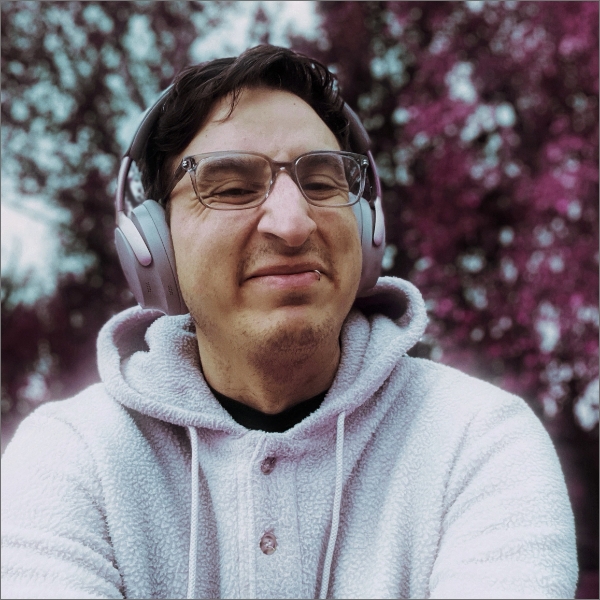
Ryan Elkanah
Lire la biographieRyan Elkanah (he/him) is a late-diagnosed AuDHD adult based in Calgary, Alberta, whose advocacy is shaped by lived experience and over a decade supporting people through complex life transitions. Having grown up navigating multiple care systems, Ryan brings a grounded, relational lens from frontline youth work in Calgary, where he supported vulnerable youth facing homelessness, systemic barriers, and crisis.
Over the past four years with The Sinneave Family Foundation, he has supported autistic youth and adults through major life transitions, including employment, education, and community participation, while helping develop neuro-affirming programs and materials and fostering an organizational culture that centres inclusion and autistic perspectives. His approach integrates trauma-informed, person-centred, and strengths-based principles, creating spaces where people feel safe to bring their whole, authentic selves.
Ryan’s work centres passionate curiosity, reflection, and collaborative problem-solving. He believes real change begins with listening deeply and approaching systems with both honesty and imagination. As a member of the National Autism Network’s Autistic Advisory Council, he looks forward to contributing presence, clarity, and heart to meaningful systemic change that improves supports and opportunities for autistic people across Canada.
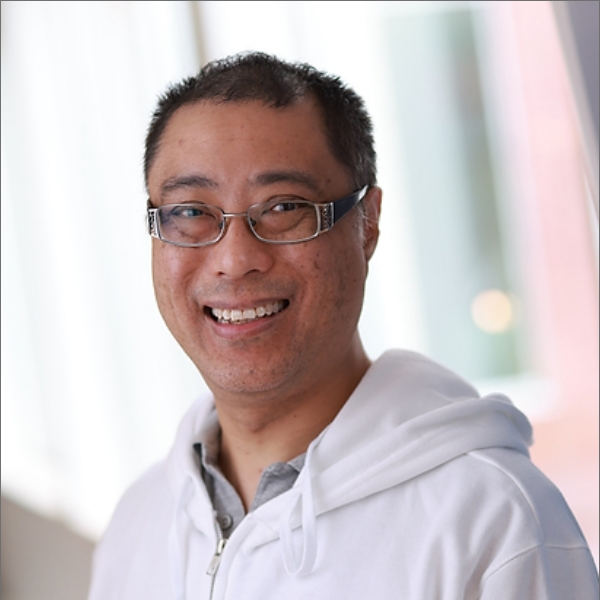
Sam Chan
Lire la biographieSam Chan is a disability advocate, information curator and Cybersecurity specialist with over 25 years of experience. He is the founder of Trust-in-Yourself (T-i-Y), a Toronto-based company that views disability as a source of innovation, leveraging technology and partnerships with non-profits and employers to help neurodivergent communities overcome barriers and build meaningful careers in Cybersecurity and IT.
His mission is to equip individuals with practical skills and ongoing technical career support while helping companies advance workforce diversity and strengthen Cybersecurity readiness and advance workforce diversity through his simple yet powerful framework of: Learn – Employment – Support.
Sam is a graduate of Toronto Metropolitan University (TMU) and holds a Mental Health First Aid certification, along with disability-studies training from UBC, U of T, Realize, and CAMH – reflecting his commitment to lifelong learning to serve the disability community.
Sarai Guerrero
Lire la biographieSarai Guerrero has an Ontario College Graduate Certificate Program with honours in Research and Evaluation, as well as a Bachelor’s and Master’s degree in chemistry. Sarai also has various trainings in science communication, policy, mental health, and accessibility issues. This includes leading a project to develop a client experience survey, both pictographic and non-pictographic, for individuals with intellectual and developmental disabilities within the Canopy Support Services’ Adult Response Program. Sarai has won the Alumni Association Ambassador Award, and the Distinguished Student Award at Fanshawe College for demonstrating leadership, volunteerism, and a commitment to helping others.
Sarai has reviewed and written policy documents, research, and surveys for non-profits and student unions. Sarai has provided peer support during psycho-educational groups and mentored students with disabilities while sitting on Fanshawe’s EDI and Anti-Oppression Task Force. Sarai has spoken at events like the NEADS State of the Schools tour, discussing accessibility barriers in educational policies and practices, and how to address them. Sarai was among the few nationally selected by the CWIC Network to participate in a science communication workshop, and one of two graduate researchers selected by the Chemical Institute of Canada to be a 2019 CSPC policy conference News Correspondent.
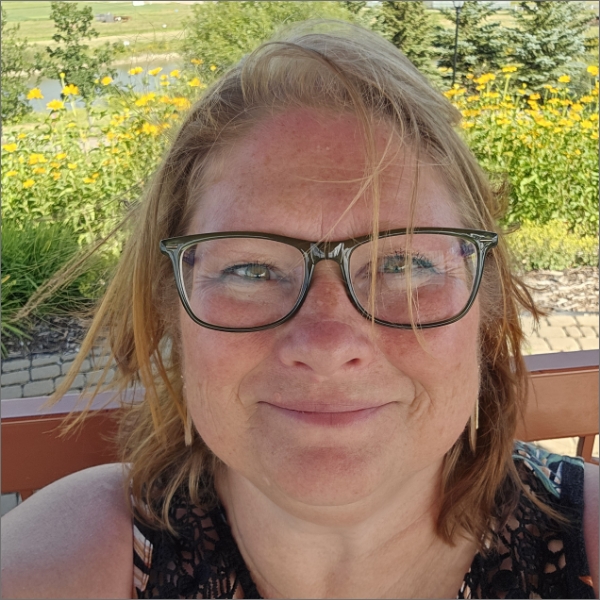
Shanyn Silinski
Lire la biographieShanyn Silinski (she/her) is a late-diagnosed autistic who lives in South Central, Alberta. She is an artist, poet, writer, photographer and takes care of her son who is neurodivergent, along with their two dogs and a selection of cats. She lives in a rural area and is very familiar with the challenges facing the autistic community when they are not located in an urban centre. Her desire as a member of the Autistic Advisory Council is to advocate for late-diagnosed adults, young people struggling to find supports for safe independence and always, for everyone, mental health support and access. Her professional life followed many interesting pathways including emergency services, charity and non-profit sector as well as marketing and communications. She currently works for a post-secondary institution on the Advancement Team, and her special interests are diverse and eclectic.
Terri Robson
Lire la biographieTerri Robson – After overcoming struggles to accept and understand the impact of Autism in her own life, Terri Robson was inspired to help others. With incredible determination she engaged in various projects to raise awareness and remove barriers for individuals with Autism.
Terri has become an ambassador and a voice for thousands of Albertans and other Canadians who cannot speak for themselves. The impact of Terri’s tireless work is tremendous as her presentations continue to be well received in communities and have admittedly even exceeded her own expectations.
Her impressive skills are not limited to her workspace. Terri is a leader and mentor who has worked tirelessly at many different events in Alberta for years. Her determination, hard work and effectiveness continue to inspire and to make a difference in Alberta’s communities.
Along with presentation and speaking skills, Terri uses her experience and knowledge as an editor for the Canadian Journal of Autism Equity. In this role, along with the other editors, Terri provides a safe forum for those individuals with Autism to highlight their views or provide clarifying information about the topic given for each edition.
Dynamic. Funny. Informative
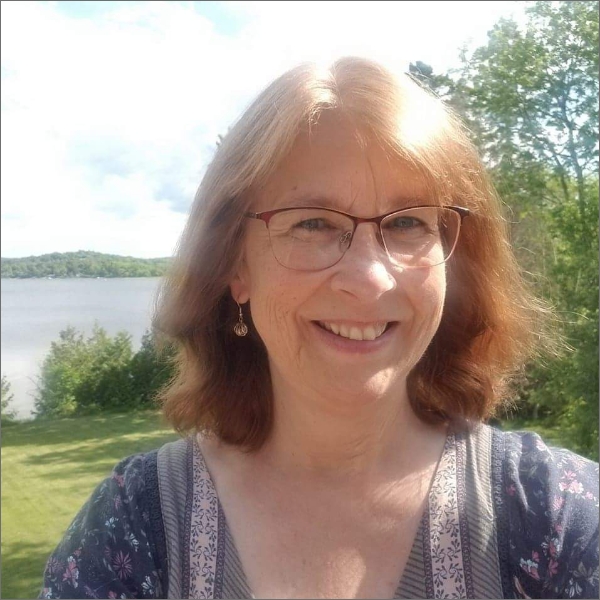
Trudy Marwick
Lire la biographieTrudy Marwick – Autistic educator and advocate, I was diagnosed as autistic at 47 while learning more about autism and neurodiversity to support my own family. Advocating for my children showed me that, to have our voices heard and our needs considered, I needed to learn the language of the professionals around the table. This led me to pursue a Master’s degree in Education, specializing in Autism.
My husband and I moved to Grand Bay, New Brunswick in 2017. We previously lived and worked in Orkney, Scotland. Over several years, I have worked and volunteered with autism, disability, and access groups, contributing to campaigns and advocacy focused on equitable and inclusive practice. I hold a professional qualification in Inclusive Environmental Access and Design from Heriot-Watt University and, while living in Scotland, I worked and volunteered with Orkney Disability Forum, contributed to the Scottish Autism Strategy, sat on the Kirkwall Airport Advisory Group, and participated in Scottish Air Ambulance consultations and Scottish Parliament engagement events on disability and accessibility.
My volunteer roles have included serving as Parent Representative for Contact a Family Scotland, Lay Member for His Majesty’s Inspectorate of Education (HMIE), and active member of Access Panel Orkney, where I provided disability awareness training and shared practical strategies to create more inclusive environments and approaches. I am passionate about using lived experience to challenge stigma, influence policy, and advance equitable services for autistic and disabled people. Across all of these roles, my goal is to bridge lived experience and professional practice so that Autistic and disabled people and their families are genuinely heard, respected, and included.
Yvonne Spicer
Lire la biographieYvonne Spicer of London, Ontario, is a long-standing community leader whose twenty-year career has strengthened accessibility, equity, and inclusion across Canada. She is the Co-Founder of Lifetime Abilities, an emerging social enterprise that focuses on creative programming, inclusive education, and accessible planning. Yvonne is known for her clear, respectful communication, her steady leadership style, and her commitment to building environments where every person feels supported and heard.
Her work has included speaking at provincial, national, and international events, including the United Nations in New York City. She has contributed to system change through participation on community planning tables, inclusive research teams, and collaborative committees focused on improving housing, income security, and community participation. She also shares her insight through media features, creative projects, and her book My Life, My Choice, My Future, which highlights the importance of personal planning and self-directed decision-making.
Yvonne’s leadership and contributions have been recognized with several honors, including the Queen Elizabeth II Platinum Jubilee Award, the Jason Rae Award, the Outstanding KBHN Leadership in Family Engagement Award, and the David Conforti Reach for the Stars Award. She was recently selected to join the National Autism Network’s Leadership Panel, where her experience and perspective will help strengthen Canada’s Autism Strategy.
Family Advisory Council
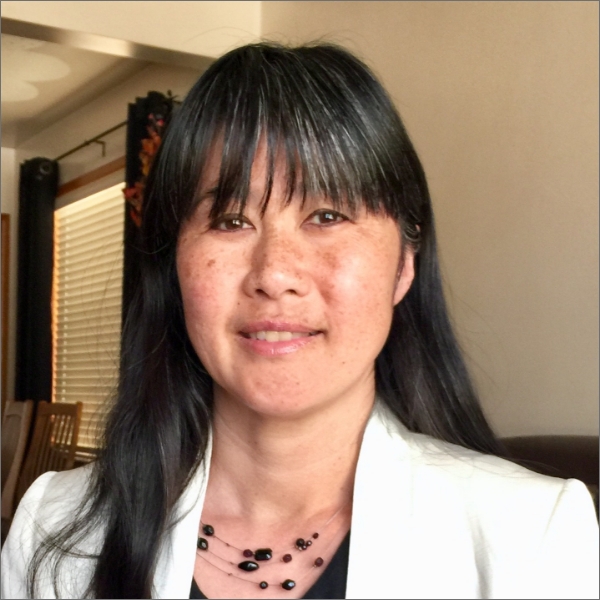
Shino Nakane
Co-Chair
Lire la biographieShino Nakane (Co-Chair) is currently the Provincial Director for Autism Society Alberta. She has volunteered on a variety of boards and committees over the past decade like the Alberta Children’s Hospital Ethics Committee, the External Advisory Committee on Regulatory Competitiveness for the Treasury Board of Canada and has recently completed serving three terms for the Premier’s Council on the Status of Persons with Disabilities, an advisory body for the Government of Alberta.
She is currently the Chair of the Board of Directors for the Autism Alliance of Canada. Shino is the mother of a non-speaking young Autistic adult. She is happiest walking and hiking with her son in nature. Her passion is to continually strive to spearhead efforts so that all people are able to live in accessible and inclusive communities.
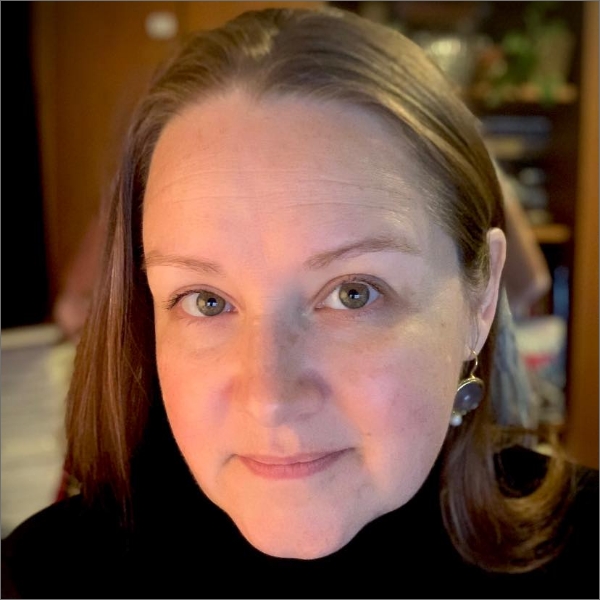
Alina Cameron
Co-Chair
Lire la biographieAlina Cameron is an epidemiologist based in Slate River in Northwestern Ontario, a mother of three, and the President of the Ontario Autism Coalition.
Her work spans local, provincial, and national levels, focusing on autism policy, public health, education, and service systems across the lifespan. As an epidemiologist, she brings a population-level, data-informed approach to understanding inequities in access to supports, particularly for families in northern and rural communities.
Her advocacy is informed by both professional expertise and lived experience as a parent and peer navigating health-related systems. She is committed to community-led, rights-based approaches and to building cross-sector collaboration to drive systemic change.
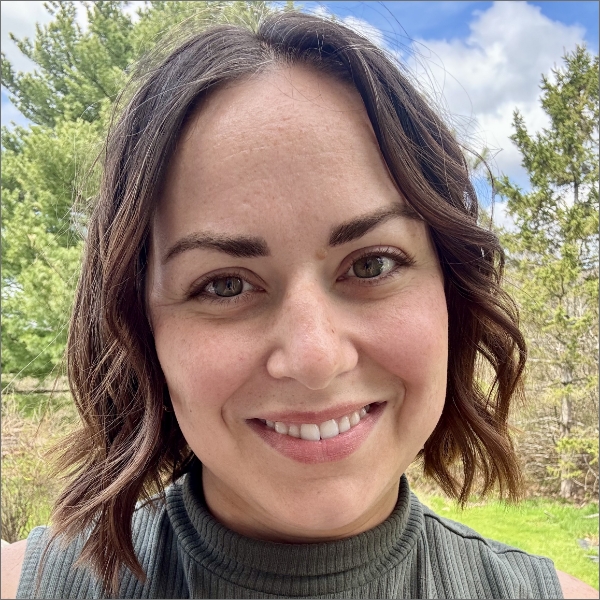
Angela MacGillivray
Lire la biographieHello! My name is Angela MacGillivray, and I am from Nova Scotia! As a neurodiverse parent of neurodiverse children, I have lived experience navigating disability supports across both school and community systems. Supporting my children’s learning and growth has helped me to better understand the challenges families often face when accessing services, advocating for their needs, and building collaborative relationships with support teams.
These experiences inspired me to create Autistic & Ally Voices Antigonish, a small community group dedicated to sharing neuro-affirming information, offering guidance on navigating services, fostering inclusion, and advocating for stronger supports in our town. This work has significantly shaped who I am as a person, parent, educator, and advocate.
I am currently completing my Master of Inclusive Education, where my work focuses on guiding schools to support autistic learners’ autonomy and self-advocacy, while fostering meaningful belonging through person-centered, strengths-based practices.
I am grateful for the opportunity to join the Family Advisory Council and hope that my contributions will help strengthen accessibility and outcomes for all families!
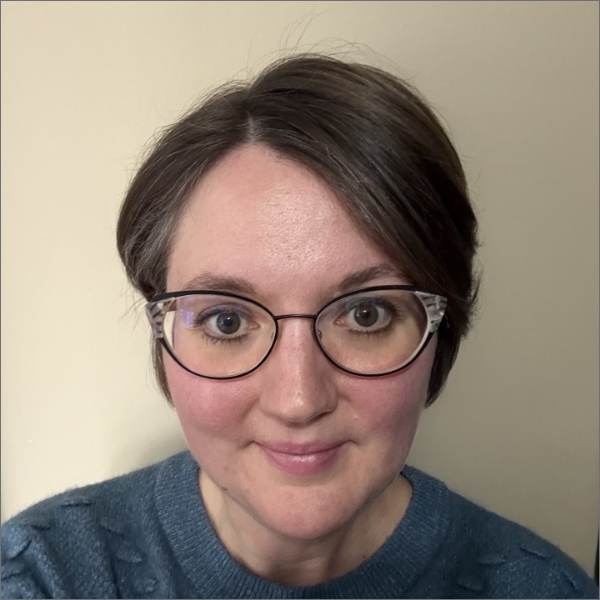
Brandy Fingas
Lire la biographieBrandy Fingas (B.A. Hons (Psychology)) (she/her) is the neurospicy parent of two amazing kids, one of whom is autistic. She has extensive experience working with neurodivergent kids from past positions with Regina Public Schools, Regina Humane Society and The Terry Fox Foundation. A lifelong passion for learning and education has provided her with invaluable insights into the supports and resources necessary for neurodivergent students to be successful and thrive in schools.
Brandy is a full time advocate for her autistic daughter. When not researching or meeting with fellow advocates, she regularly collaborates with her children’s school to advance neuro-affirming school practices. She has worked with her children’s school to incorporate a sensory wall accessible to all students, and collaborates with the teacher librarian to expand the library collection to include more books that are neuro-affirming and representative of neurodivergent students.
In her spare time, Brandy likes to explore her special interests, including reading fantasy novels, baking, and diamond art painting, as well as encouraging and connecting with her wonderful kids by exploring their special interests.
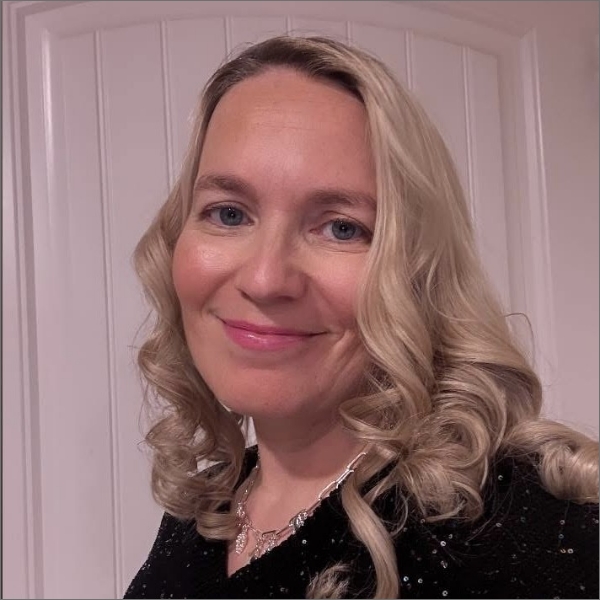
Chrystal Venator
Lire la biographieBorn and raised in New Brunswick, Chrystal holds degrees in Arts, Business, and Education. Her greatest joy in life is raising her 10-year-old autistic, nonspeaking son, Stalen, and embracing every adventure they experience together. She is not only a devoted parent advocate but also a passionate champion for inclusiveness, accessibility, Augmentative and Alternative Communication.
Chrystal has worked tirelessly to spark awareness and positive change across her community and province. She played a key role in bringing Caroline’s Carts and communication boards to local spaces, and she brings extensive experience advocating within education, healthcare, and the wider community.
She cherishes time with her family, keeps active through running and boxing, and never misses a chance to play ball with her German Shepherd.
Chrystal is incredibly excited and deeply honoured to join the National Autism Network’s Standing Family Advisory Council. She’s eager to help drive meaningful change and support a future where Autistic people can truly thrive across Canada. She proudly shares the inspiring journey she and her son are navigating together on Stalen’s Way.
Emily Thompson
Lire la biographieHi, I’m Emily Thompson. I live in St. John’s Newfoundland and Labrador and am the proud mom to my three-and-a-half-year-old son who is autistic (diagnosed at two and a half). Advocating for him, and for other children, adults and families in the autism community in Newfoundland and Labrador, is something I’m deeply passionate about. Professionally, for more than a decade, I’ve been working in public policy with the Government of Newfoundland and Labrador. Over the years, I’ve worked on everything from environmental and climate change policy, intergovernmental affairs and municipal governance. In my spare time, I love hanging out with my two small dogs and learning about outer space from my son (he’s quite the expert!)
I am committed to making our communities more inclusive and reflective of autistic voices. I look forward to serving on the National Autism Network Family Advisory Council to bring forward the unique perspectives of families living on our country’s east coast.
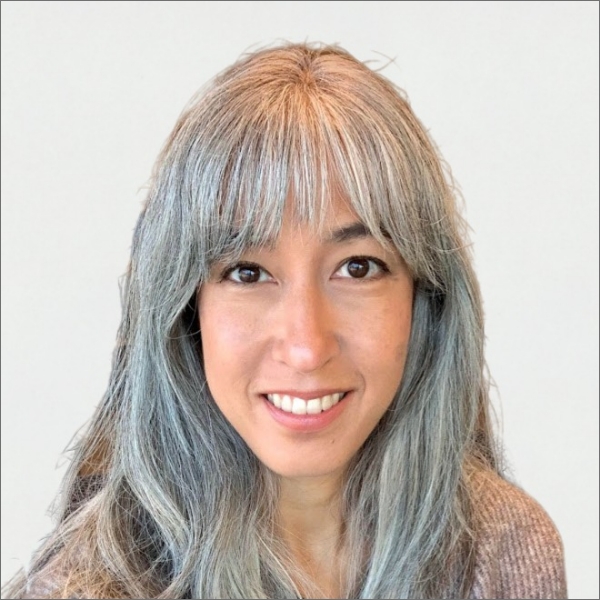
Jodene Baker
Lire la biographieJodene Baker is the parent of an autistic child and is actively involved in navigating services, resources, and inclusive community spaces that support neurodiversity. She is committed to strengthening family voice in discussions about education, supports, and policy, and believes that autistic children and their families deserve meaningful influence in decisions that shape their daily lives. Jodene brings a thoughtful, systems-minded approach to this work, centered on curiosity, collaboration, and a desire to improve accessibility and understanding within environments where autistic youth learn, grow, and participate.
Professionally, Jodene serves as Vice-President of Research, Advocacy and External Relations at Imagine Canada. Her work spans sector-wide policy, nonprofit funding, and research, giving her experience in high-level strategy, relationship building, and interpreting complex information to inform decisions.
Jodene lives in Winnipeg, Manitoba.
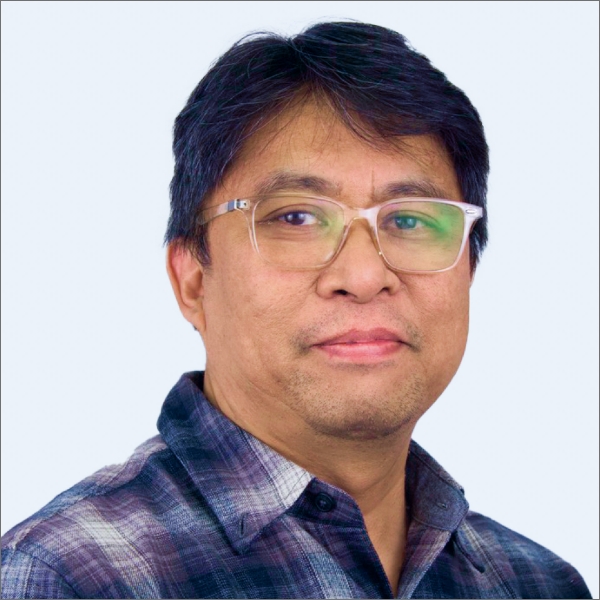
Joel Medenilla
Lire la biographieI am Joel Medenilla (Uno), and my son is Joel II Medenilla (Dos)
Uno and Dos – journey through life
I am Joel Medenilla, a single parent to a 14yr old bubbly, smart and loving son, Dos, diagnosed with ASD and he is nonverbal. Our life’s journey is defined by profound learning about each other and unconditional love. The diagnosis of my son with autism was a pivotal moment, shifting the family’s focus and dynamic entirely.
I became a fierce advocate and a constant student in navigating the complexity of my son’s world. From therapy options, educational support systems and often overwhelming landscape of community resources. Throughout this process I discovered strength that I never knew I possess, a voice for my son.
Beyond the challenges, the experience this journey of ours has brought unexpected gifts: a unique perspective on diversity, greater appreciation of small victories and a membership to a supportive community of parents. I strive to share hope and practical advice with others going through a similar path, emphasizing that the journey is not just about managing a condition, but about celebrating the uniqueness and how wonderful our children are.
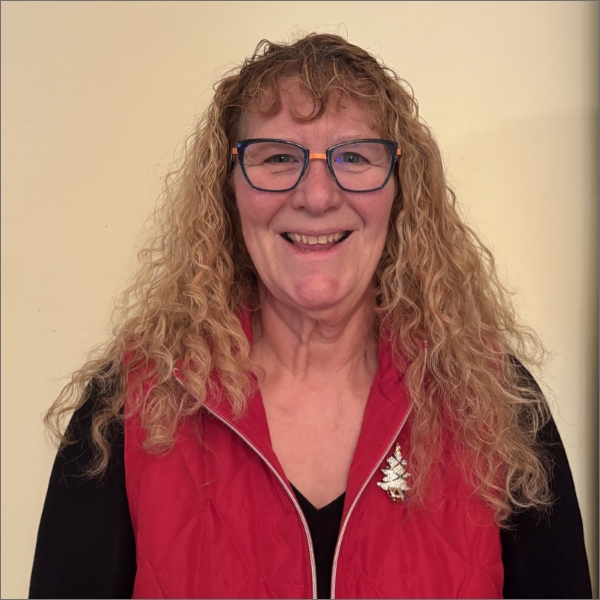
Lori Fankhanel
Lire la biographieLori Fankhanel is a trained and certified Caregiver facilitator in Acceptance and Commitment Training (ACT). Lori is the previous Founder and President of Sensory Processing Disorder Canada, where she attended and facilitated workshops and conferences as far as Denver, Colorado. With over 25 years of experience as a mother of two exceptional children, she has worked with many multi-disciplinary teams in Edmonton, home to her and her family. She is a strong advocate for strength-based practices as she has seen the benefits firsthand. Lori enjoys walking in nature, spending time with her family and connecting with other moms who are equally as passionate about advocacy as she is.
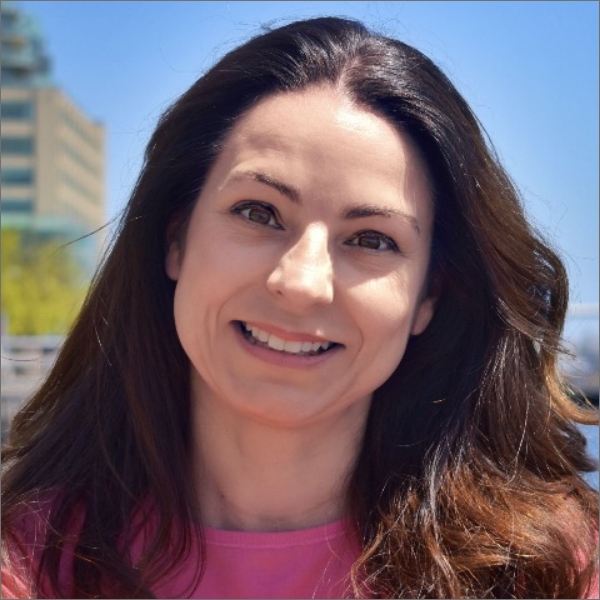
Monica Halsey
Lire la biographieMonica Halsey is a lived experience educator, advocate, and systems collaborator working at the intersection of healthcare, education, and family engagement. She is the mother of two neurodivergent sons and has spent over a decade advancing family-centred care at Holland Bloorview Kids Rehabilitation Hospital, Canada’s largest children’s rehabilitation hospital. Monica embeds the patient and family voice across hospital initiatives, including the recent redesign of the autism diagnostic process.
She co-designed and co-facilitates a peer support group for caregivers awaiting autism assessments for their children and co-teaches the Family as Faculty Training Course, which prepares patient and family partners to co-deliver healthcare education. Monica is also a North American ambassador for the International Society for Patient Engagement Professionals (ISPEP) and is completing a Doctor of Education with a focus on neurodiversity, inclusive education, and system redesign.
Sarah Macklon
Lire la biographieI am a forty plus year old who lives in Whitehorse, Yukon. I am the oldest of 5 and my younger brother has autism. He was diagnosed at age 3. We currently share a house, with him living in the downstairs and me upstairs; not a formal suite situation but it works for us as we have our own spaces but can still interact and help each other as needed.
Between the two of us, we have one dog, one cat and no spouses.
My current job is working with Autism Yukon, where I am the admin and office assistant. I interact with many children and adults on the spectrum every day. I also have experience working as a support worker for children and young adults with disabilities. I also grew up with a father who had multiple sclerosis (MS) so I am well versed in the world of accessibility, inclusion and disability support.
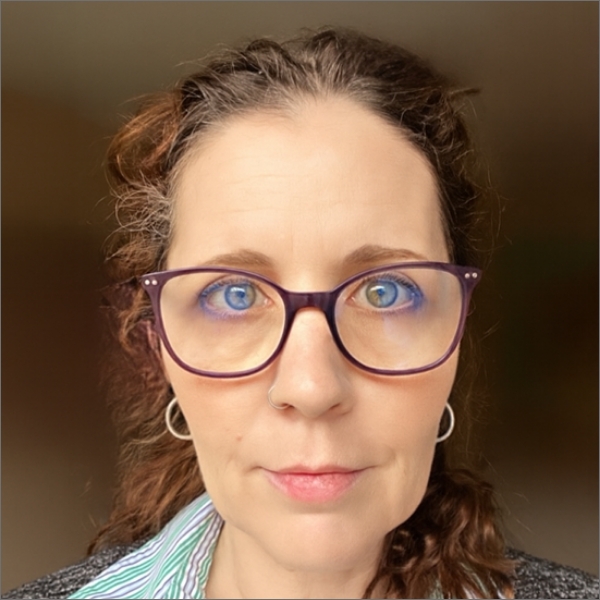
Sandra Norum
Lire la biographieSandra Norum – As a parent with direct lived experience navigating assessment pathways, individualized supports, and community-based services for Autism, Sandra brings both personal insight and practical knowledge to her advisory work. She is committed to amplifying family voices, reducing barriers, and contributing to system-level improvements that reflect the realities of those directly affected.
Sandra is a long-time advocate for equitable access, inclusion, and family-centred support systems. With more than sixteen years of professional experience in education and mentorship, she has worked closely with diverse learners, families, and multidisciplinary teams to build environments that honour neurodiversity and lived expertise. Her approach is grounded in collaboration, empathy, and evidence-informed practice.
Sandra holds a background in psychology and educational technology and has supported districts in developing training, inclusive frameworks, and responsive learning environments. She is passionate about strengthening national dialogue, improving service navigation, and ensuring that policy decisions reflect the needs of autistic individuals and their families.
She is honoured to serve on the Family Advisory Council of Canada’s National Autism Network and contribute to the advancement of Canada’s Autism Strategy.
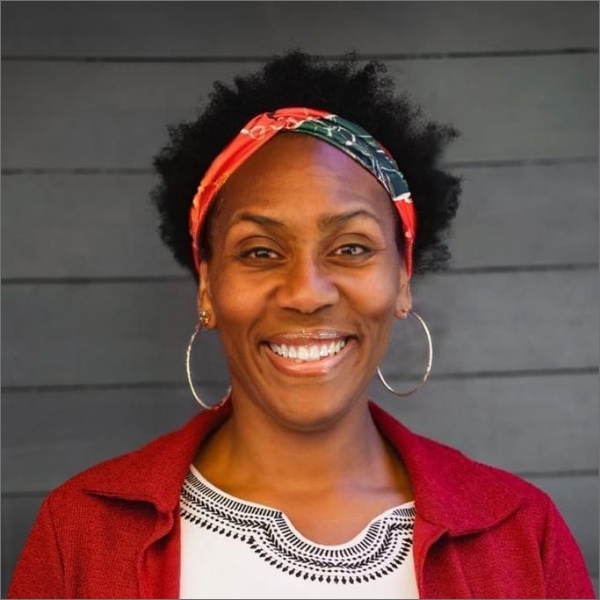
Sherron Grant
Lire la biographieSherron Grant, M.Ed., has been an educator for over 20 years and an advocate for persons with special needs for even longer. She is currently an elementary school Principal in the province of Ontario. Sherron supports families, has volunteered in several capacities on various Boards and committees in the disability sector and advocates for persons living with various disabilities. Sherron has been the recipient of several awards including one from Autism Ontario and recently from the CCCE for her volunteer work and in co-founding Sawubona Africentric Circle of Support, a nonprofit organization with outreach across the country. Sawubona is a safe space for connection for Black parents/caregivers raising and caring for a loved one with a disability. Her inspiration and motivation for involvement with the National Autism Network originates from her own lived experience as a parent of an adult son living with autism. Being on this autism journey for close to 30 years, Sherron sees the need for an autism strategy which includes the voices of those who experience marginalization and obstacles on a deeper level due to intersecting identities. Authentic inclusion and acceptance on a national scale means having diverse voices at the table to share their unique needs and dreams.
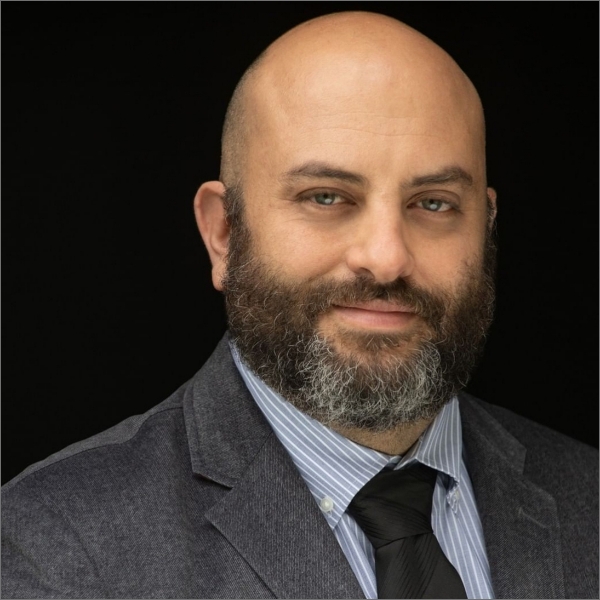
Tony Stravato
Lire la biographieI was born and raised in Oshawa, Ontario, where I still live today with my wife Lisa and our twin autistic boys, Roman and Rocco.
My autism advocacy journey began in 2019, when the Ontario Autism Program underwent a series of significant and deeply challenging changes. At that time, I helped co-found the Durham Crew Autism Advocates. Shortly after, I joined the Ontario Autism Coalition, where I now serve as the Vice President of Operations.
My lived experience as a parent, combined with my strong connection to the autism community, continues to guide my work.
I am committed to creating meaningful change, amplifying the voices of families, and ensuring that autistic individuals across Canada receive the support and opportunities they deserve.
Indigenous Advisory Council
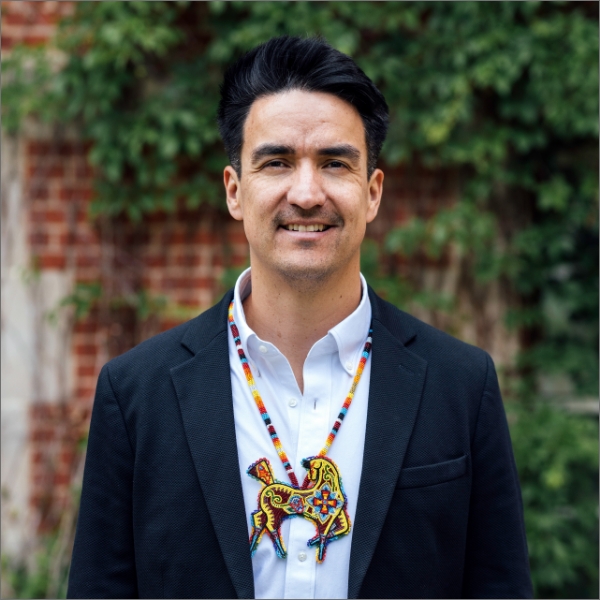
Dr. Grant Bruno
Co-Chair
Lire la biographieDr. Grant Bruno is nêhiyaw (Plains Cree), a registered member of Samson Cree Nation located on Treaty 6 Territory, and an Assistant Professor in the Department of Pediatrics at the University of Alberta. As both a researcher and a parent, Dr. Bruno’s work is rooted in the experiences of Indigenous caregivers raising children with diverse needs. His research seeks to create culturally responsive healthcare models that reflect the strengths, challenges, and hopes of families, particularly in the areas of neurodiversity and child and youth health. Drawing on nêhiyaw understandings of health and wellness, he weaves together Indigenous knowledge systems and Western frameworks to foster inclusive and decolonized approaches to healthcare.
Dr. Bruno is currently the Academic Lead for Indigenous Child Health at the Women and Children’s Health Research Institute (WCHRI). He is the founder of the Ispimihk Awâsisak (Sky Children Program) and the Indigenous Caregiving Collective, both of which centre the voices of families and caregivers in shaping programs and research for children with neurodevelopmental differences. He is currently the co-chair of the Indigenous Advisory Council for Canada’s National Autism strategy and also serves as the Scientific Advisor, Indigenous Initiatives for the Kids Brain Health Network, where he continues to advocate for caregiver-driven solutions that strengthen Indigenous child and youth health.
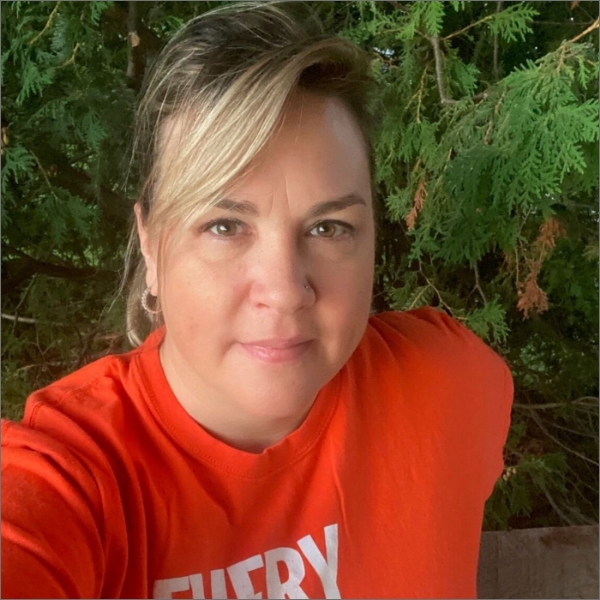
Jessie Gartshore
Co-Chair
Lire la biographieMy name is Jessie Gartshore (she/her/kwe). I am a part-Anishinaabe, part-settler Health Leader and have spent over 20 years supporting not-for-profit children’s health organizations. My clinical background is as a Behaviour Analyst and have spent the last 10 years in operational leadership. I am an Ojibway Kwe with ancestors from the Crane Clan (Ajijaak Dodem) of Batchewana First Nation and Clan Gartshore of Scotland. My passion for leadership draws on my ability to work and gather with others. I am the Senior Manager for the Maternal Child & Youth Health Stream at Six Nations which includes close to 100 hardworking health providers supporting our most precious resources: our expectant mothers, our babies, our children and youth. I started my professional career as a Behaviour Therapist in 2004 and supported all of the iterations of provincially funded autism programs for children and youth in Ontario. Since my time with Six Nations, we have advocated and brought Autism Services on-reserve for our families. We used the innovation grant funding to root our entry to school program in culture and our most recent innovation grant is supporting capacity building for our Primary Care and Allied Health professionals in the development of a diagnostic pathway, rooted in culture on reserve.
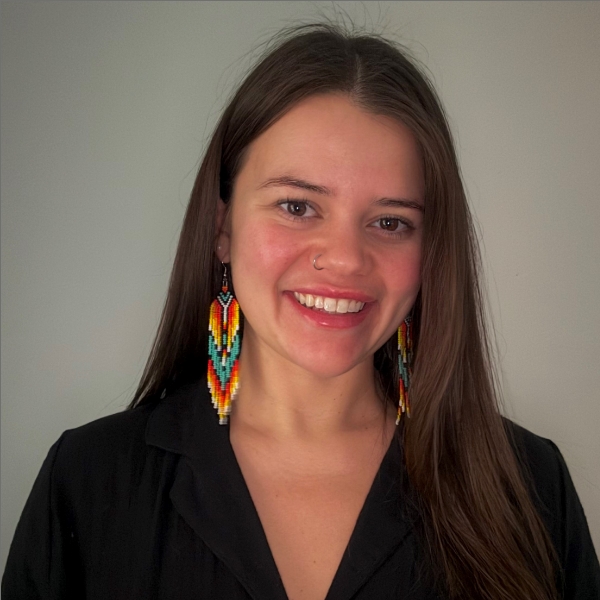
Allie DaCunha
Lire la biographieHello, my name is Allie. I am an autistic woman living in Brantford, Ontario. I am Mi’kmaq from Potlotek First Nation. I was diagnosed with autism in 2024. I sought out my diagnosis after my son was diagnosed in 2021.
I work as a Nurse Educator on Six Nations of the Grand River. In my role I work with children from kindergarten to grade 12. My past working experience includes working in group homes with adults, a vast majority of them being autistic. I have been seeking opportunities to become more active and involved in the Autism community.
I am excited to be part of the National Autism Network. As an autistic person, raising an autistic child, and working in an Indigenous community, I bring various perspectives and voices into the conversation. I am eager to advocate and help Canada be a place where autistic people feel heard, seen and supported.
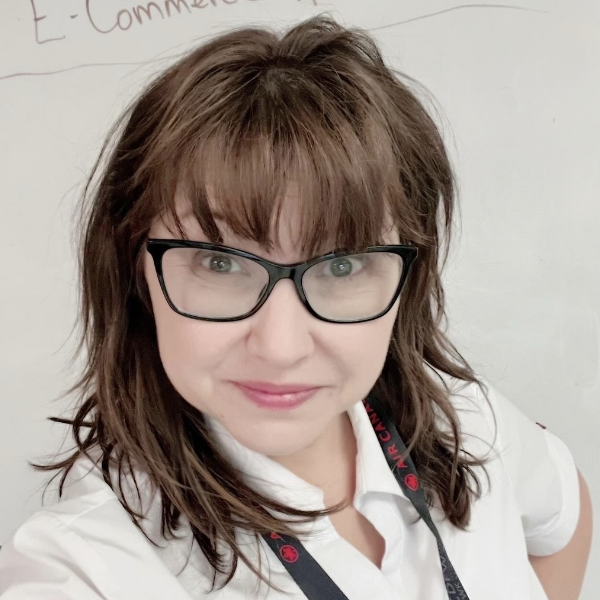
Jenn Hobbis
Lire la biographieJenn Hobbis is a member of the Indigenous Advisory Council for the National Autism Network. She has worked in special education in Whitehorse, Yukon for 19 years, supporting children ages four through twelve who are diagnosed, or suspected to be on, the autism spectrum. Her work includes mentoring emerging educators and providing training on sensory regulation, movement and body break supports, communication strategies, early phonological awareness and various speech and language supports in-school.
She is also the mother of a 20-year-old daughter on the autism spectrum, and began navigating the diagnostic process when her daughter was two years old, with a formal diagnosis at age five. This lived experience continues to inform her advocacy and systems-level perspective.
Jenn has served as an executive board member with Autism Yukon, and recently worked for a year as an Indigenous student advocate for Central Okanagan School District No. 23, in British Columbia.
She currently works as an Indigenous Patient Health and Social Liaison Worker at Whitehorse General Hospital (with the First Nations Health Branch) in Whitehorse, and is also a certified ESL teacher, supporting adult newcomers to Canada.
She is a member of the Crow Clan of Kluane First Nation, with Southern Tutchone heritage, from the Kluane Lake region, of the Yukon Territory.
Lori Gauthier
Lire la biographieLori Gauthier is a mother of four sons with autism who range in age from 13 to 20 years old. She lives in Fort St James, BC where she is an active member of the Nak’azdli Whut’en nation and belongs to the Lhts’umusyoo (Beaver clan).
Lori currently works as the Children and Youth with Diverse Needs Coordinator for Nak’azdli Whut’en where she helps children with diverse needs and their families access support services that they need in a culturally grounded, and family-centred way.
Lori is also the North Regional Network Coordinator for the Family Support Institute of B.C. She is a former member of Autism B.C.’s Board of Directors, MCFD’s Minister’s Advisory Council and a member of their Indigenous Advisory Circle.
Lori has had the honour of working alongside Indigenous families across BC, including in Keremeos, Terrace, Prince George, Yekooche, and Takla Lake in various roles. Her passion for helping families navigate supports and systems shines in everything she does. She is deeply committed to making sure the voices of families in rural and remote communities are heard and valued.
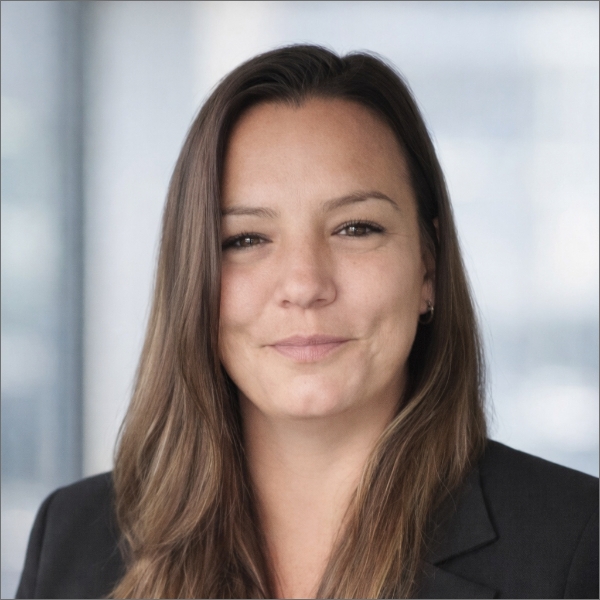
Natachia Slezsak
Lire la biographieI am Natachia Slezsak, from Six Nations of the Grand River Territory and a member of the Mohawk Nation, Turtle Clan. I am a mother of five children, including a child with autism, an experience that has given me a deep understanding of the challenges families face and inspires my commitment to creating better supports for individuals and their communities.
With over 20 years in healthcare, starting on the frontlines as a nurse, I have built a career in program development and leadership, focusing on mental health, crisis response, and trauma-informed, culturally responsive systems of care. My personal and professional experiences come together to guide my work, ensuring services are both effective and grounded in the realities of the community I serve.
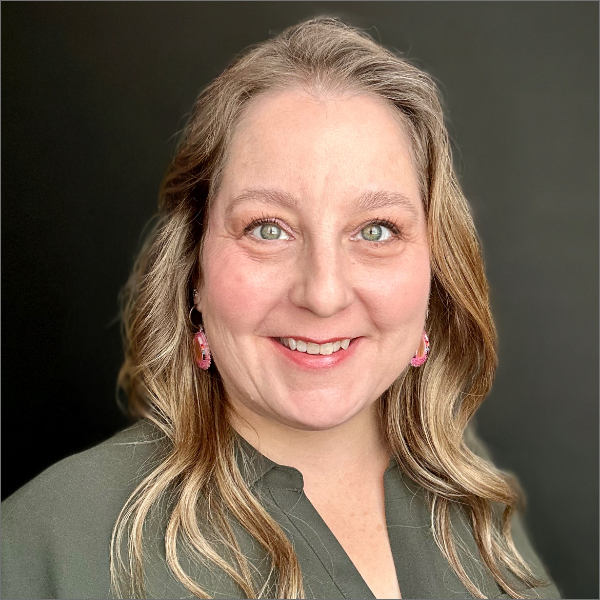
Shannon Nazaruk
Lire la biographieI am a late-diagnosed Autistic Métis person, a devoted parent of an amazing Autistic young adult, and the daughter of a Residential School Survivor. My intersectional identity shapes the personal stories and cultural insights I share with warmth and authenticity to promote understanding of my communities. I find joy and purpose as an advocate focused on identity, inclusion, and belonging. My current advocacy includes public speaking and volunteering with the Indigenous Relations Circle for the Autism Society of Alberta.
With over 15 years of experience navigating health and education systems, I understand the challenges faced and the tenacity needed to support our families. My continued learning and community engagement have further developed my determination, and I enjoy collaborating with others to create new solutions and discover innovative ideas.
I am excited to join the Indigenous Advisory Council and am committed to bringing my experience and enthusiasm to the National Autism Network and the Indigenous Autistic communities I serve. I believe in the power of culture, community, and connection – and I look forward to our future together!
Vanessa Roesler
Lire la biographieVanessa Roesler serves as the coordinator of the Kikino Aboriginal Headstart program and holds certifications in Early Learning and Mental Health: Aboriginal Connections from MacEwan University. As both a professional and a parent to three children—including an Autistic daughter and a neurodiverse son—she draws on her extensive experience to support other Indigenous communities. Within the Kikino Metis Settlement, Vanessa has established a family support group, a lending library for sensory resources, and the Autism Parent Resource initiative, all aimed at assisting families in their Autism journeys. Through her leadership, these projects have increased access to culturally relevant support and information, helping families navigate services and celebrate their children’s strengths. Vanessa regularly collaborates with educators, healthcare professionals, and community leaders to advocate for inclusive practices and better outcomes for Indigenous children. Her passion for empowering others is reflected in her ongoing commitment to building a more understanding and supportive environment for all families affected by Autism.
Strategic Priority Committee 1
Screening, diagnosis and services
Angela MacDonald-Prégent
Lire la biographieAngela MacDonald-Prégent is the Autism Advanced Practice Leader at the IWK Health Centre in Halifax, where she provides strategic leadership for autism services for young children across Nova Scotia.
A speech-language pathologist and researcher, Angela specializes in augmentative and alternative communication (AAC) for minimally speaking Autistic children. She holds a Ph.D. in Communication Sciences and Disorders with a specialization in Language Acquisition from McGill University. Her research focused on improving communication outcomes using AAC and expanding assessment options for minimally speaking Autistic children. With over 15 years of clinical experience, Angela has worked extensively with Autistic children and those with other neurodevelopmental disabilities. Her previous roles include serving as a clinical interventionist for preschool-aged Autistic children at the IWK Health Centre and as a consulting speech-language pathologist at Miriam Intervention in Montréal.
Nationally, Angela co-led a research study for the National Autism Waitlist Initiative as a Data-to-Policy Fellow with the Autism Alliance of Canada, facilitating collaboration between diagnostic leaders and caregivers to build consensus on commonly used terms for tracking autism assessment waitlists. She is also a member of the Program Advisory Committee for Kids Brain Health Network. Angela has published in peer-reviewed journals, presented internationally, and is deeply committed to integrating lived experience into all aspects of her work.
Antigone Oreopoulos Ph.D.
Lire la biographieAntigone Oreopoulos, PhD, MBA, is a physiotherapist, epidemiologist, and advocate specializing in sensorimotor impairment, developmental coordination disorder (DCD), and neurological movement therapy in nonspeaking and minimally speaking autistic children and adults. She brings a combination of clinical expertise, research training, and lived experience as the mother of a nonspeaking autistic child who communicates through text-based augmented alternative communication (AAC).
Antigone’s clinical work, research, and teaching focus on addressing gaps in motor assessment, early physical therapy intervention, life long mobility support, and access to functional communication for nonspeaking and minimally speaking autistic individuals. She is also committed to improving the ongoing education and empowerment of clinicians, parents, and others who work with autistic individuals with complex needs. Antigone coaches families to build sustainable therapeutic programs, collaborates with schools to improve AAC access and adapted physical education participation, and works closely with the nonspeaking / minimally speaking self-advocate community across Canada.
Previously, she held leadership roles in public health analytics, taught postgraduate courses in knowledge translation and patient advocacy, and served on the University of Alberta Research Ethics Board. Antigone is dedicated to ensuring that nonspeaking autistic people and their families are heard, included, and supported in both mental and physical health across the lifespan.
Connor M. Kerns Ph.D.
Lire la biographieAssociate Professor, University of British Columbia
Dr. Connor Kerns is an Associate Professor, Registered Psychologist and Director of the Anxiety Stress and Autism Program (ASAP) in the Department of Psychology at the University of British Columbia (UBC). Her research focuses on anxiety, and stress-related disorders in autistic youth and young adults with the aim of developing and testing new assessment tools and psychotherapies. She has secured numerous federal and foundation sponsored grants to support this research program in Canada and previously in the USA, including early career researcher awards from Killam Foundation, Michael Smith Foundation for Health Research and National Institutes of Health. In addition to >100 scientific publications, she is lead author of a diagnostic interview tailored to assess anxiety disorders in autistic youth published by Oxford University Press, the Anxiety Disorders Interview Schedule with Autism Spectrum Addendum (ADIS/ASA), and editor of a clinical textbook on the evidence-based assessment and treatment of anxiety in autistic children. She has previously sat on working groups focused on enhancing the health of autistic individuals for both the Canadian Academy of Health Sciences and US DHHS Interagency Autism Coordinating Committee.
Dr. Kerns earned her BA in Psychology and English from Cornell University, her M.A. and Ph.D. in Psychology from Temple University, and completed her clinical internship at the AI Dupont Hospital for Children in Wilmington, DE. She also completed specialized training in autism, anxiety, OCD and childhood trauma assessment and treatment at the Department of Psychiatry at University of Pennsylvania and the Center for Autism Research at Children’s Hospital of Philadelphia. Finally, she gained knowledge in public health approaches to autism research as a faculty member at the multi-disciplinary AJ Drexel Autism Institute in Philadelphia, PA prior to her appointment at UBC in 2018.
Ghita Wiebe
Lire la biographieGhita Wiebe (she/her) is a developmental pediatrician and Assistant Professor in the Department of Pediatrics at the University of Saskatchewan. She is also the Provincial Division Head for Child Development and serves as Physician Lead for the Saskatchewan Health Authority (SHA) Provincial Autism Strategy. The SHA Provincial Autism Strategy’s vision is that children and their caregivers have access to quality supports and services as close to home as possible. The strategy envisions a world where neurodiversity is understood and accepted.
She leads SK ECHO (Extension for Community Health Outcomes) Autism Diagnostics and Care. Dr. Wiebe’s work focuses on transforming autism systems of care through innovative community-based approaches. She is especially interested in educational and clinical models that foster collaborative knowledge-sharing and expertise, empowering community teams to care for children and families in a lifespan approach that is neurodiversity affirming, and in ways that center lived and living experience.
Through her academic research, community partnerships, professional leadership, and personal advocacy, she champions culturally responsive neurodevelopmental care that embraces diverse perspectives and strengths-based approaches. She is very grateful to be involved with the National Autism Network.
Kimberley Ward
Lire la biographieKimberley Ward (she/her)
Kim is a Registered Psychologist with a Ph.D. from the University of Calgary and more than 30 years of experience supporting the Autism community. She is the Executive Director of Society for Autism Support and Services (SASS) in Calgary, a role she has held since 2018.
Kim contributes to Autism advocacy at the national level as a member of the Canadian Autism Alliance of Canada Board of Directors, where she serves as Board Secretary and Chair of the Jim and Ginette Munson Autism Leadership Award Committee.
She also plays an active role in provincial collaboration through her involvement with Autism Alberta’s Alliance Planning Committee.
Driven by a commitment to build inclusive communities and enhance supports for Autistic individuals and their families, Kim continues to champion meaningful change across local, provincial, and national networks.
Dr. Marie-Pier Vandette
Lire la biographieDr. Marie-Pier Vandette, C. Psych., is a clinical psychologist working with children, adolescents, and families. She is a member of the College of Psychologists and Behaviour Analysts of Ontario as well as the Ordre des psychologues du Québec. In 2020, she founded her own private practice, The Interdisciplinary Family Centre of Eastern Ontario (CIFO), which addresses a significant gap in mental-health services in the region and now has two locations: one in Rockland and another in Casselman.
Since 2024, following the award of nearly $600,000 in ministerial grants, she has developed the Eastern Ontario Autism Program, which allows her team, i.e., composed of psychologists, social workers, psychotherapists, speech-language pathologists, and occupational therapists, to offer free services to autistic children and adolescents.
In 2024, she expanded her private practice into the province of Quebec by founding The Interdisciplinary Family Centre of Outaouais to help address the shortage of autism services in that region. Through this work, she is building important collaborations across public and community sectors. Dr. Vandette also serves as the lead psychologist in an interdisciplinary neurodevelopmental health program within a pediatric hospital setting, providing services to youth up to age 18 with complex mental-health, neurodevelopmental, and medical needs. She is a part-time and clinical professor at the University of Ottawa, where she teaches at both the undergraduate and graduate levels.
She is also a clinical supervisor and has had the opportunity to supervise approximately thirty graduate students to date. Finally, she recently co-founded and serves as President of Propsychnet, a new national platform designed to make mental health more accessible, human, and understandable for everyone, both mental-health professionals and the population.
Dr. Vandette is a content ambassador in the areas of clinical supervision, neurodivergence, and child, adolescent, and family clinical practice. Through a digital platform, she is currently developing a support community for parents of autistic children.
Yona Lunsky, PH.D.
Lire la biographieYona Lunsky, PhD, CPsych, is the Scientific Director of the Azrieli Adult Neurodevelopmental Centre, Director of the Health Care Access Research and Developmental Disabilities Program (www.hcardd.ca) and a Senior Scientist at the Centre for Addiction and Mental Health (CAMH), in Toronto, Canada. She is also Professor in the Department of Psychiatry at the Temerty Faculty of Medicine, University of Toronto, an Adjunct Scientist at ICES, and a Clinical Psychologist. She has been studying the mental and physical health of adults with developmental disabilities including autism and their families for more than 25 years, and has published over 300 papers on this topic. She works closely with people with developmental disabilities, their families, and clinical providers to identify health care gaps and co-design innovative solutions.
Kelsey Kerr
Lire la biographieI am honoured and humbled to have been selected to support the work of the National Autism Network. I am of mixed settler and First Nation ancestry, Irish and Finnish on my mother’s side and Scottish and Haíɫzaqv on my father’s. I was raised on the unceded and ancestral homelands of the kʷikʷəƛ̓əm (Kwikwetlem), səlilwətaɬ (Tsleil-Waututh), xʷməθkʷəy̓əm (Musqueam), Sḵwx̱wú7mesh (Squamish), q̓ic̓əy̓ (Katzie), qʼʷa:n̓ ƛʼən̓ (Kwantlen), qiqéyt (Qayqayt), and Stó:lō (Sto:lo) Peoples, Port Moody BC.
I am a family member to two Autistic individuals and a Speech-Language Pathologist. I have worked in Northern Canada for all of my career and since developed a passion for advocating for equitable services and resources for those I serve. I currently work for a school board providing wholistic wrap around supports to school teams and have witnessed the impact this approach has for learners. I believe that each person is gifted with strengths and when community wraps around them they can flourish and overcome obstacles through caring relationships.
To feel connected to myself, I enjoy gardening, skiing, dancing, painting, running for a very long time up and down mountains, being an Auntie and spending time with my dog Eve.
Strategic Priority Committee 2
Economic inclusion
Jacqueline Morrison
Lire la biographieHello! My name is Jacqueline Morrison. I reside in Ottawa and am working in early education and community health. I hold a Bachelor’s degree in the Humanities and I have completed 3 years of midwifery education. My journey through my career and post secondary education paths have been marked by my brain style. In 2022, I was diagnosed with Autism Spectrum Disorder. I was prompted to seek a psychological evaluation in part due to the ways I navigated stress, social communication, and workplaces.
While midwifery is a special interest of mine, most careers in healthcare are a difficult match for those autistic people – like me – who thrive with routine and lose steam more quickly with the presence of overwhelming stimulus input. I have a strong interest in making healthcare careers more accessible to autistic workers, many of whom I know would be excellent care providers.
I believe that the current factors limiting success for autistic people in healthcare careers include (among many others) a) non-accommodating education and b) inflexible job roles.
My special interests are reproductive health and parenting in the early years. I also love to cook plant-based food, do yoga, and spend time with my friends.
Liam Bienstock
Lire la biographieLiam Bienstock (he/him) is an occupational therapist and inclusive designer. His clinical work and early role at the Douglas Mental Health University Institute focused on supporting Autistic individuals and their families in daily living, education, and community participation. A key part of his practice involves coaching families on financial supports, where he frequently sees barriers that limit economic inclusion.
With a Master of Inclusive Design from OCAD University, Liam has collaborated with the Autism Alliance of Canada and Mobilizing Justice on research into transportation equity and the Autistic experience. This work underscores how mobility shapes access to work, education, healthcare, voting, and civic life—and how inadequate transportation restricts participation.
Liam is Chair of La Fondation Place Coco and serves nationally on the Canada Revenue Agency’s Disability Advisory Committee, advising on improvements to disability-related tax measures that affect Autistic Canadians. His advocacy is informed by both professional experience and the systemic challenges his clients have voiced.
As the older sibling of an Autistic adult, Liam is personally committed to strengthening supports during the transition to adulthood and advancing equitable, lifelong inclusion.
Charli Miller
Lire la biographieCharli Miller is the Director of Economic Inclusion at Autism Nova Scotia, where she leads initiatives to create inclusive employment opportunities for autistic youth and adults across the province. Based in Halifax and originally from the Annapolis Valley, Charli brings both professional expertise and lived experience as a late-diagnosed autistic, queer woman to her work.
In her role, Charli oversees program operations, evaluation, and reporting to ensure measurable outcomes. She builds partnerships with service providers, advocates for inclusive hiring practices, and aligns organizational efforts with provincial and national goals. Her leadership focuses on removing barriers and fostering workplaces that value neurodiverse talent.
Charli holds a Bachelor of Science in Psychology and a Graduate Diploma in Counselling Psychology. Her career has included roles supporting individuals with disabilities in employment, education, and residential settings. As a parent of two young children and someone who has faced employment challenges firsthand, Charli is deeply committed to advancing equity and inclusion in the workforce.
Samuel Ragot
Lire la biographieSamuel Ragot is a doctoral candidate at the School of Social Work at McGill University and works as a Senior Policy Analyst and Advocacy Advisor at the Quebec Intellectual Disability Society. In the context of his work, Samuel has worked on major pieces of legislation in the province, such as the reform of the guardianship regime and the creation and implementation of the Basic Income Program. Trained as a political scientist (UQAM) and holding a graduate degree in bioethics (UdeM), Samuel’s research program is focused on three main topics: financial support programs for persons with disabilities in Canada, employment of autistic individuals and persons with intellectual disabilities, and caregiver support. His goal is to help improve public policies to foster the inclusion and economic participation of persons with disabilities. Samuel has lived experience of disability and caregiving.
Lara McLachlan
Lire la biographieLara McLachlan is the Founder and Board Chair of the Neurodiversity Change Foundation (NCF), where she leads initiatives focused on advancing neuroinclusive systems in healthcare, employment, and leadership. Her work focuses on translating lived experience and research evidence into practical system change through partnerships across Canada. She brings over 25 years of experience in health system transformation, community development, reporting, and changemaking.

Jasmine Cha
Lire la biographieJasmine is an inclusion advocate, systems thinker, and vocal Autistic woman of colour committed to building a more equitable world. She was named one of Alberta’s Top 30 Under 30 for her work advancing the Sustainable Development Goals and continues to champion equity through both local and global initiatives.
She brings a unique blend of lived experience and professional expertise to her work.
Diagnosed with Autism and ADHD in adulthood after years of masking and misdiagnosis, Jasmine understands firsthand the barriers Autistic people face when accessing education, economic security, and support. Her experience fuels her commitment to policies and services that reflect the full spectrum of Autistic realities.
Professionally, she has worked across nonprofit, tech, and international policy spaces, including as a Delegate to the UN Commission on the Status of Women (CSW68). She currently supports youth civic engagement and system navigation through her roles in multiple nonprofit organizations.
Jasmine continues to advocate for inclusive design, real-world impact, and changes that actually work for marginalized communities—not just on paper, but in practice.
Strategic Priority Committee 3
Data collection, public health surveillance, and research
Dr. Elizabeth Straus
Lire la biographieDr. Elizabeth Straus (they/she) is an autistic, disabled, queer, white settler nurse scholar and educator whose research focuses at the intersections of autism, gender, sexuality, and mental well-being.
Currently residing in Dish with One Spoon Territory, the traditional territories of the Haudenosaunee and Anishinaabe in what is colonially known as Niagara region in Ontario, they hold appointments as an Assistant Professor in the Daphne Cockwell School of Nursing at Toronto Metropolitan University and as an Adjunct Professor with Re•Vision: The Centre for Art and Social Justice at the University of Guelph.
They currently lead Beyond the Normative Knot, a multimedia storytelling and interview project that explores autistic experience at the intersections of gender, sexuality, and autistic identities. They are deeply committed to advancing access and affirming approaches in research and practice, with an emphasis on autistic-led, community-engaged, and intersectional approaches.
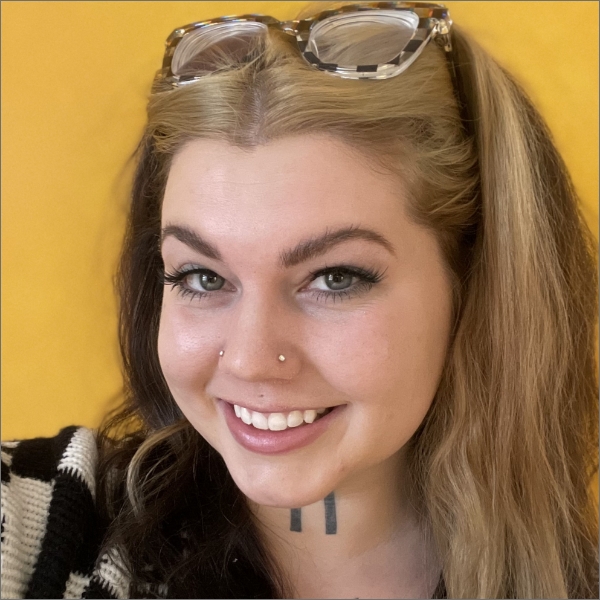
Dr. Flora Blanchette
Lire la biographieDr. Flora Blanchette (she/her) is a professor, researcher, advocate, and parent to an autistic child.
She received her dual M.S. and PhD in in Psychology and Women’s, Gender, and Sexuality Studies from Penn State. Her work adopts a critical, liberationist lens and spans topics including prejudice and discrimination, oppression, disability, health disparities, decarceration, activism, and the development of inclusive environments.
She has over 60 peer-reviewed publications and has spoken at national and international events and conferences. All of her work aims to center the perspectives of people who experience various forms of oppression.
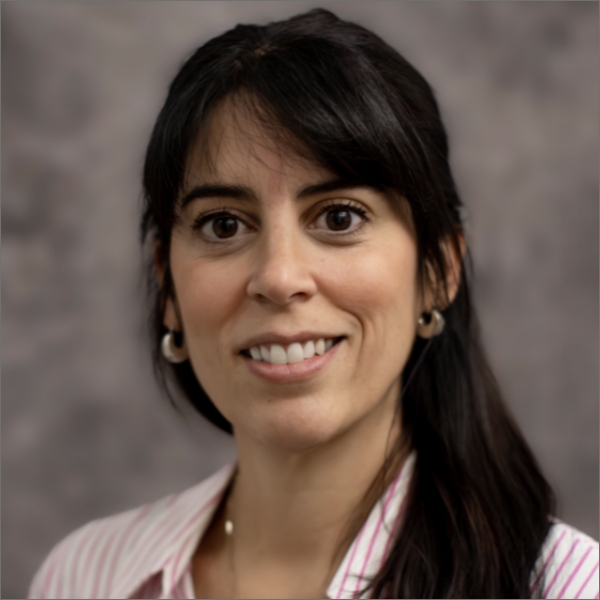
Dr. M. Florencia Ricci
Lire la biographieDr. M. Florencia Ricci, MD, PhD, is a developmental pediatrician, a clinician–researcher with the Children’s Hospital Research Institute of Manitoba, and an Associate Professor in the Section of Child Development within the Department of Pediatrics and Child Health at the University of Manitoba. She also serves as Co-Director of the Manitoba Neonatal Follow-up Clinic.
Dr. Ricci’s current research focuses on environmental factors that may influence the likelihood of autism spectrum disorder. She has been supported in this work by a 2021 ENRRICH Catalyst Grant, a 2024 Manitoba Medical Service Foundation Grant, and funding from the Kali Dyck Foundation for the development of ADORE—the Autism Diagnostic Outcomes Registry.
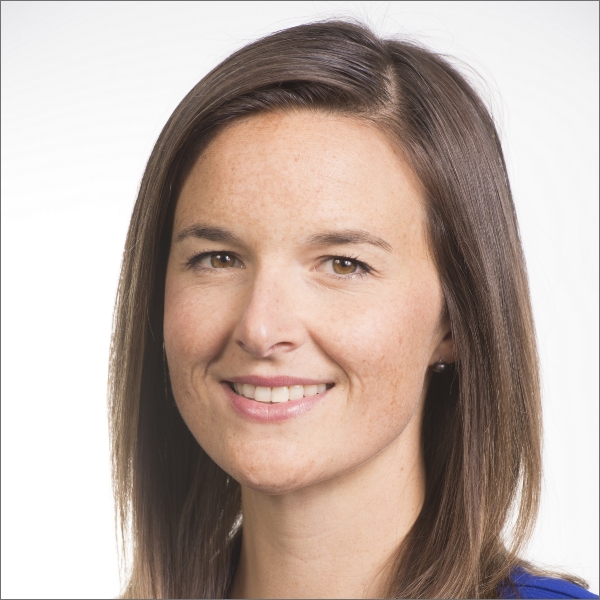
Jennifer Zwicker
Lire la biographieJennifer Zwicker is the Director of Social Policy and Health at the School of Public Policy and an Associate Professor in the Faculty of Kinesiology at the University of Calgary. She holds a Tier II Canada Research Chair in Disability Policy for Children and Youth and serves as Chief Scientist for Kids Brain Health Network. Her research program focuses on evaluating interventions and informing policy related to funding, services, and supports for children and youth with disabilities and their families.
With a strong emphasis on interest holder and government engagement, Jennifer’s work bridges research and policy, contributing to peer-reviewed publications, policy papers, op-eds, and briefing notes for provincial and federal ministries as well as senate committees. She is currently a co-chair for the Federal Disability Advisory Committee and has worked on national efforts, including the Canadian Academy of Health Sciences National Autism Strategy Working Group and the Royal Society of Canada Expert Working Group on disability-inclusive policy during the COVID-19 pandemic.
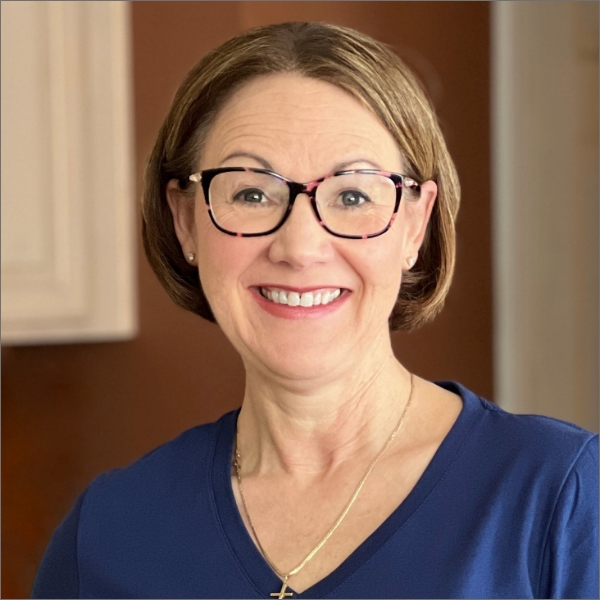
Dr. Kathryn Szechy
Lire la biographieDr. Kathryn (Kathy) Szechy is an Assistant Professor in the School of Social Work at the University of Windsor. She has a B.A. in Psychology from Western University, Ontario, a Master of Social Work from the University of Toronto, and a Ph.D. in Social Work from Wayne State University in Detroit, Michigan.
Her research interests include challenges in adulthood for individuals on the autism spectrum, including post-secondary education and employment. She also studies the intersection of disability and social, racial, and economic disadvantage through the lens of critical disability studies. She is coauthor on several peer-reviewed publications on topics related to autism, disability, social work practice, child development, and mental health.
Dr. Szechy has 22 years of social work practice experience in Canada and the United States. She has practiced in child, adolescent, and adult mental health settings and school social work. She is a registered social worker in Ontario, was a Licensed Masters Social Worker in Michigan (2004-2025), and held State of Michigan School Social Work Certification. In addition, she is the proud parent of two adult sons, one autistic and one non-autistic.
Megan Thomas
Lire la biographieI am a UK trained Developmental Pediatrician, who worked in the NHS for over 30 years. I was clinical lead for the Child Development Service working with a fantastic multi-disciplinary team for nearly 23 years.
I led a number of service developments including the preschool neurodevelopmental pathway, that also encompassed autism assessments and supports. I moved to Halifax, Nova Scotia in 2020, and am an Associate Professor and Developmental Pediatrician in the Department of Pediatrics, Dalhousie University/IWK Health.
I am the Clinical Co-Lead for the Provincial Preschool Autism Service. To find the best answers for children and families, I am involved in research, both my own and supporting others.
My PhD was with families with preschool children with predominantly non-verbal autism spectrum disorders, families with complex health needs requiring technology on a daily basis and families with preschool children without any identified health or developmental needs. This resulted in an even deeper passion to ensure that the services we provide are helpful and meet the needs of families, rather than creating more demands and stress.
I am committed to working alongside families and colleagues to ensure respectful, supportive practices that embrace and celebrate diversity, remove barriers and enable equitable access.
Dr. Mayada Elsabbagh
Lire la biographieDr. Mayada Elsabbagh is a Professor in Neurology and Neurosurgery at The Neuro of McGill University. She is also appointed as a Research Scientist at the McGill University Health Centre where her program is integrated with diagnosis and support services for autism and related neurodevelopmental conditions.
Her research focuses on understanding the root causes of autism and tracing its developmental pathways across the lifespan. Her team uses developmental models to explain complex interactions of risk and protective factors leading to variable outcomes in autism and related neurodevelopmental conditions. Her scientific contributions include the discovery of very early brain function markers for autism before the onset of behavioural signs and the scale-up of community-based interventions.
The approach combines innovative research with the mission of accelerating the pace of discovery and its translation into community impact. To achieve this, the team relies on converging methods that span techniques for the study of brain development (EEG, eye-tracking), behavioural and clinical assessment tools, and novel qualitative methods to capture first-person perspectives of children and youth.
Dr. Elsabbagh has supported the successful launch of several collaborative research and translational networks in Canada and Europe, including the Transforming Autism Care Consortium (TACC), a Quebec research network supported by the Fonds de recherche du Québec and several community partners. Dr. Elsabbagh is a program director of the Canadian Neurodevelopment Research Training (CanNRT) platform.
She is also active in global efforts to improve evidence-based practice in the community and capacity building in low -and middle-income countries. These efforts include CST-Canada, a clinical trials platform for the WHO Caregiver Skills Training (CST) Program, which integrates research, training, and international exchange, expanding access to evidence-informed intervention in the community.
Strategic Priority Committee 4
Public awareness, understanding and acceptance
Dori Zener
Co-Chair
Lire la biographieDori Zener is a Registered Social Worker, speaker, and educator, who has dedicated her career to creating Neurodiversity-Affirming mental health opportunities for autistic people across the lifespan. Her mission is to empower neurodivergent individuals, igniting self-awareness and self-compassion, so they can thrive in every facet of life.
Dori offers training based on her clinical expertise, centered around her INVEST model, which provides a Neuro-Affirming framework for counselling. She is deeply committed to fostering autism acceptance, and actively contributes to expanding the understanding of autism through publications, workshops, research collaborations, and corporate consultations.
Dori is excited to take on a new leadership position with the National Autism Network where she will be co-chairing the Strategic Priority Area 4 Committee: Public Awareness, Understanding, & Acceptance.
Aaron Goss
Lire la biographieMy name is Aaron Goss (he/him), and I’m an autistic Knowledge Translation professional, published historian, and professional musician. A Gen-X’er, I’m painfully aware of how our understanding of neurodivergence has changed since my childhood, when assessments by both a developmental psychologist and a pediatrician failed to identify my autism or ADHD. Subsequent decades of masking undiagnosed neurodivergence contributed to struggles with anxiety, depression, alcohol use disorder, and periods of housing insecurity. An ADHD diagnosis at age 49 confirmed something I’d always known, also led me to the subsequent, surprising realization that I’m also autistic.
Creativity and a sense of social justice drive my work as a Knowledge Broker, where I plan communications for population data research and tailor messages for diverse audiences. Sharing research on autism and neurodivergence on social media in our current political and social climate has underscored the urgent need to challenge misinformation and stigmatization in autism discussions.
I live on Treaty 1 territory, in Winnipeg, Manitoba, with my neurodivergent partner Brandi, a dog, and two cats. I’ve done advocacy work supporting community development, housing, and alcohol-free living, and am excited for the chance to contribute to a better future for autistic Canadians.
Katie Heckman
Lire la biographieI live in North Vancouver, BC, and am passionate about inclusion, challenging what society deems as ‘normal’, and creating spaces where Autistic people can thrive.
I am a later-in-life diagnosed Autistic ADHDer with a background in healthcare and clinical education. My lived experience navigating systems and environments not built for neurodivergent people directly shapes my work.
Amidst the ableism I have experienced, I have also encountered people and spaces that are truly accepting and inclusive. This gives me hope that we can move toward a society that not only understands and accepts Autistic people, but truly celebrates us.
I am grateful for the opportunity to contribute my experiences and perspectives while learning from my fellow committee members to advance public awareness, understanding and acceptance.
Margaux Wosk
Lire la biographieMargaux Wosk is an Autistic, disabled, and self-employed advocate based in British Columbia. She brings lived experience in disability rights, accessibility, and inclusive communication. Margaux is the President of BC People First, a nonprofit run by and for people with intellectual and developmental disabilities. She has spoken on Parliament Hill about Bill C-22 and regularly gives presentations across Canada. Public speaking is one of her strongest skills, and she uses it to share knowledge, encourage inclusion, and highlight the experiences of Autistic and disabled people. She is also a cast member on the CBC television show The Assembly.
Margaux runs Retrophiliac, her small business that designs disability-focused communication items such as pins, stickers, and lanyards. Her products support visibility, autonomy, and pride within disability and neurodivergent communities. Her work has been featured in several media outlets and is used by disabled people, caregivers, educators, and community organizations.
Margaux advocates for the recognition of self-employed disabled people, accessible communication, and the importance of centering lived experience in decision-making. She was a 2025 finalist for the Most Outstanding Impact – Volunteer Award through Charity Village and received the Community Award – Emerging Leader from BC Achievement.
Megan Pilatzke
Lire la biographieMegan is a proud autistic woman and member of the 2SLGBTQIA+ community. After discovering her autism in 2021 at 31 years old, she has dedicated her career to advocacy and bettering the lives of other neurodivergent people.Megan works with Specialisterne Canada, a non-profit dedicated to building neuro-inclusive workplaces, and is a sought-after public speaker, having presented for organizations like Autism Canada, Flourish Health Services, CAMH, and the Senate of Canada. She is also a published academic author, specializing in autistic employment. Megan lives in Sudbury, Ontario with her two cats, Oliver and Abigail. In her spare time, she is a dedicated pool player and musician.
Sarah Ahmed
Lire la biographieSarah Ahmed is a senior marketing and communications executive with extensive experience leading national awareness campaigns in the disability, nonprofit and corporate sectors. She currently serves as Senior Director, Brand & Digital Marketing at March of Dimes Canada and previously led national marketing and public education initiatives for the autism community while working with United Nations and UNICEF.
She holds a Master’s in Government and Public Policy from Harvard University, grounding her work in evidence-based approaches to social change. A proud mother of an autistic son, Sulaiman, Sarah brings a deeply personal commitment to this work.
She is dedicated to helping build an inclusive and accepting Canada where children like Sulaiman can thrive and reach their full potential. Sarah is honoured to contribute to Strategic Priority Area 4: Public Awareness, Understanding & Acceptance as part of the National Autism Network.
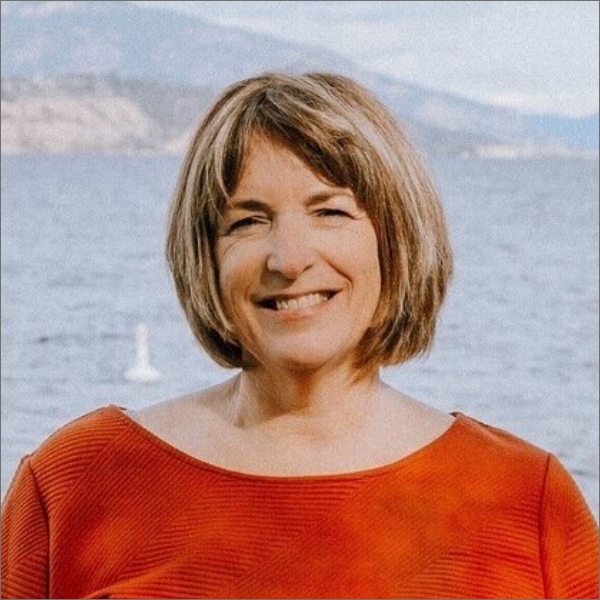
Susan Noble
Lire la biographieSusan Noble is a passionate advocate whose professional and personal commitment to advancing autism understanding, acceptance, and support has been shaped by decades of experience as an educator and her role as a parent of an adult son on the autism spectrum. Susan is the co-founder of the Kelowna-based non-profit Autism Okanagan, a member of Okanagan College’s Adult Education and Training Program Advisory Committee and was a finalist in the 2024 BC Untapped Workplace Inclusion Awards, reflecting her ongoing leadership and impact in the autism community.
She has also worked in the inclusive employment sector as an Inclusive Employment Specialist with the Canucks Autism Network, representing Ready, Willing and Able, helping to create pathways to meaningful employment for Autistic individuals. In this role, she supported employers by increasing their understanding of autism and neurodiversity, educating employers on the benefits of inclusive hiring and providing guidance on best practices for recruiting, supervising, and retaining Autistic employees.
Susan is honored to serve on the National Autism Network’s Strategic Priority Committee for Public Awareness, Understanding, and Acceptance, contributing her expertise, ideas, and lived experience to advancing Canada’s national autism strategy and fostering more inclusive communities nationwide.
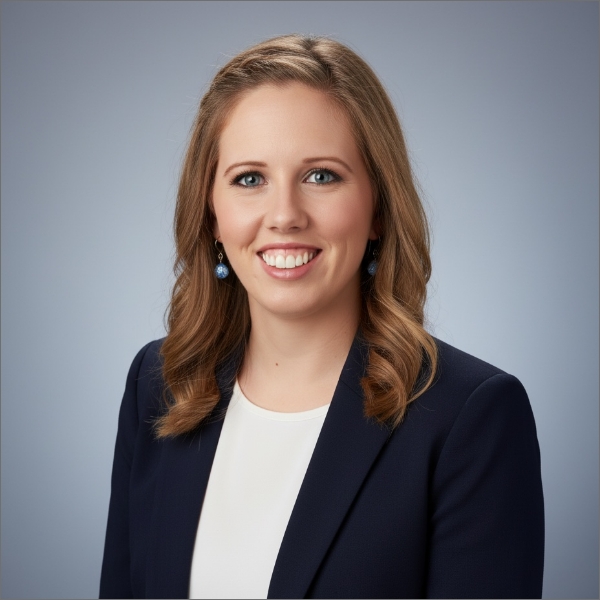
Vanessa Bourlon
Lire la biographieVanessa is a late-diagnosed autistic adult from Regina, Saskatchewan, and a proud parent of two autistic children. She is an educator with 17 years of experience in inclusive education and student support. Vanessa is deeply committed to advancing neuro-inclusive and neuro-affirming environments in which autistic individuals are respected, supported, and empowered to thrive. She brings both lived experience and professional expertise to her work with the Canadian National Autism Network.
Vanessa holds a French Bachelor of Education, along with certificates in Inclusive Education and Autism Studies. These qualifications provide a strong foundation in accessibility frameworks, inclusive design, and neuro-affirming practice. Throughout her career, Vanessa has led school-wide inclusive initiatives, delivered professional learning for educators, and developed programs that promote student success in inclusive and supportive learning environments. Her work has focused on supporting neurodivergent learners and second-language learners while fostering strong collaborative relationships with educators, families, and professional and community partners.
Beyond the classroom, Vanessa serves as an advisor to the Saskatchewan Health Authority’s Provincial Accessibility Advisory Committee and has contributed to the ECHO Autism training program, including participation as a panelist for medical professionals across Saskatchewan. She is also a member of the Provincial Neurodivergent Advocacy Partnership, where she shares lived experience, collaborates on research and community initiatives, and advocates for neuro-affirming healthcare practices and accessible tools that support the neurodivergent community in Saskatchewan.
Fluent in both of Canada’s official languages, Vanessa believes that understanding, compassion, and collaboration are essential to building truly inclusive environments. She envisions a society in which autistic individuals are valued and understood, and where all people, regardless of neurotype, have equitable opportunities to thrive.
Strategic Priority Committee 5
Tools and resources
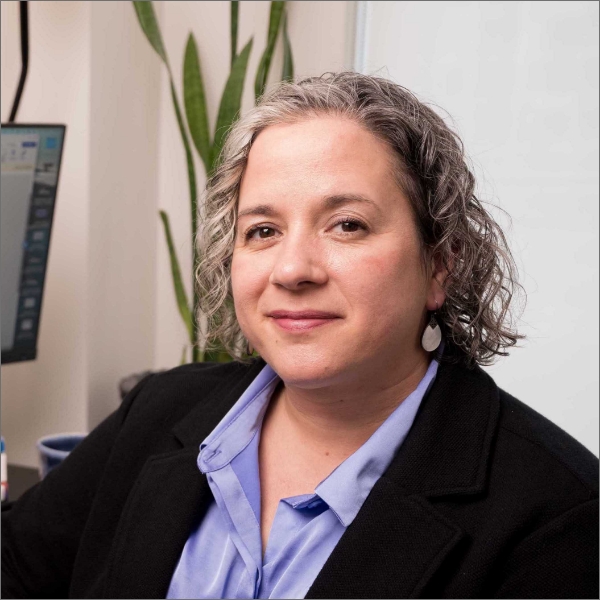
Dr. Fakhri Shafai
Lire la biographieDr. Fakhri Shafai has been working with Autistic people and people with intellectual disabilities for over 20 years. She has a master’s in education focused on best practices for teaching biology to neurodivergent youth. She then earned a PhD in neuroscience that focused on sensory processing differences in Autistic people.
Dr. Shafai works as the Chief Science Officer of AIDE Canada, where she leads the content creation of knowledge translation resources for the neurodivergent community and their families. She is also the Director of Professional Training for the Pacific Autism Family Network, where she provides specialized de-escalation training to law enforcement officers and first responders. She recently co-moderated and presented at the first ever think tank at the United Nations focused on meeting the needs of Autistic seniors.
Her research interests include autism and aging in the senior years, sensory processing differences, and understanding child development through a cultural lens.
Gurpreet Singh Binepal
Lire la biographieAs a clinician, researcher, and parent advocate, my journey in autism care spans transformative work in India and active leadership in Canada. In Punjab, I played a pivotal role in founding the first public sector Centre of Excellence for Autism and in launching the province’s inaugural ECHO Autism hub—both initiatives established multidisciplinary, functioning-based care models designed to help individuals thrive.
After relocating to Canada, I continued my commitment as an active member of the Saskatchewan provincial Autism Strategy council. There, I contributed to the development of an online map to help families locate resources and provided feedback on autism content for the Mom and Kids provincial website. I am actively engaged as a research partner with the Provincial Neurodivergent Advocacy Partnership (PNAP), a community-driven initiative led by Dr. Ghita Wiebe that is dedicated to transforming care for Autistic and Neurodivergent individuals in Saskatchewan. In addition, I have served as a hub team member for ECHO Autism diagnostics and care, contributing to collaborative efforts that advance best practices and support for neurodivergent communities.
With over two decades of experience in the health sector, I am eager to contribute meaningfully to the National Autism Strategy. My primary goal is to develop and disseminate practical tools and resources that focus on functioning and help individuals thrive, empower self-advocates and families, and ensure equitable access for all communities. I am dedicated to strengthening autism networks, mentoring stakeholders, and fostering cross-sector partnerships to support the creation of culturally sensitive, evidence-based resources. My ongoing aim is to advance Canada’s autism strategy by championing holistic, strengths-based approaches and promoting equity, diversity, and inclusion for autistic individuals and their families.
Jill Cormier
Lire la biographieJill Cormier is a previous graduate of New Brunswick Community College and University of New Brunswick. She previously worked as a pharmacy technician for 18 years before moving to beautiful Nova Scotia in 2018.
Jill started her career at Autism Nova Scotia in May 2019 expanding her role in 2022 as the Family Support Supervisor as well as the Maritime Hub Coordinator for AIDE Canada. Over the past few years, she has built a variety of partnerships and developed a wealth of knowledge in service navigation, advocacy skills and collaboration and education within the community and in schools. She provides families and individuals with 1:1 support including understanding the diagnoses process, transition to and from school, respite services and working with communities ensuring acceptance, inclusion and respect for diversity exists everywhere for everyone.
She has maintained her personal development with Trauma informed training, ASIST, and Acceptance and Commitment Therapy (ACT) and recently received her Certification as an Autism Specialist through IBCCES in 2025.
For many years, Jill’s passion and desire to support and advocate for autistic individuals and their families has extended beyond her professional role. Over the years, she has proudly supported both her autistic son and neurodiverse daughter throughout their own family journey.
Kara Dymond Ph.D.
Lire la biographieKara Dymond, OCT, Ph.D, is a late-diagnosed autistic/ADHD advocate, teacher, teacher educator, researcher, and author. She teaches a specialized program for autistic students in a large urban school board, collaborating closely with students, families, and educational staff at multiple schools.
Kara’s students and brother inspired her books The Autism Lens and Creating a Neurodiversity-Affirming Classroom. Kara teaches graduate courses at the Ontario Institute for Studies in Education, University of Toronto related to inclusive education and special education.
Currently she designs and delivers courses on classroom neurodiversity and accessible education. Nominated by colleagues and 21 graduate students, Kara earned the 2024 Award for Excellence in Initial Teacher Education. Current research includes an ongoing collective self-study on Universal Design for Learning and accessibility in teacher education; a study on factors influencing wellbeing and participation in community third spaces for autistic adults; and she is planning a participatory action research project with teachers who want to investigate and operationalize accessible practices and neurodiversity-affirming pedagogy in their own contexts.
In 2025, Kara was awarded the King Charles III Coronation Medal for improving the lives of autistic people and their communities across Canada, nominated by Autism Canada for her frequent collaborations in community webinars.
KT Timm
Lire la biographieKaren Ann Timm (she/her) is a Canadian educational leader, researcher, and internationally recognized Neurodivergent advocate with over 25 years of experience in public education. Founder of NeuroRealMe Consulting and the Neurodivergent Infinity Network of Educators (NINE), Karen’s work is grounded in neuroaffirming, anti-ableist, and human-rights-based practice, with a strong focus on dismantling systemic barriers faced by Autistic and otherwise Neurodivergent humans—particularly those who are multiply marginalized. She leads and supports policy development, professional learning, and large-scale community initiatives that prioritize accessibility, sensory inclusion, and authentic participation.
Karen’s research interests include Autistic ways of being, sensory accessibility, AAC, and inclusive systems design. She is widely sought after as a bespoke presenter, consultant, and collaborator, bringing both lived experience and scholarly expertise to her work in education and beyond.
Maxine Share
Lire la biographieMaxine Share is an Autistic writer and educator and a retired autism consultant with more than 25 years of experience supporting Autistic people and their families across the lifespan. With a background in journalism, she brings clarity to complex topics and uses strong storytelling to make information accessible, affirming, and practical.
For a decade, Maxine worked with Canada’s largest autism service provider, supporting more than 200 individuals and families each year. Her work included individualized support, consultation, delivering educational workshops, and teaching an Autism Specialist certificate course. She also facilitated parent support groups for several years.
Maxine currently develops online autism resources for Autistic people, their families, and the wider community for Autism and Intellectual Disability Education (AIDE) Canada. Her work for this government-funded non-profit has included toolkits, webinars, and training programs on topics such as ableism, Autistic grief, motivation, and menopause.
She also facilitates a monthly support group for Autistic parents, combining education with peer-based discussion grounded in lived experience.
Maxine has participated in numerous autism-related research projects, particularly those focused on quality of life and mental health.
She is a co-founder and writer of Autism Goggles, a popular Facebook pafe with nearly 36,000 followers. Her Autistic son and four Autistic grandchildren continue to inspire her work and drive to increase understanding of and supports for autism.
Melissa Bandura
Lire la biographieI am an advocate for autistic acceptance who brings lived experience, insight, and compassion to my work. Having navigated support systems in rural Saskatchewan firsthand, I understand what resources are available, what truly supports families, and where critical gaps remain. I am eager to contribute to solutions that improve access to meaningful resources and supports for autistic individuals and those who care for them.
Dr. Nancy Marshall
Lire la biographieDr. Nancy Marshall (PhD, MA CYC, RSW) is a Child and Youth Care (CYC) practitioner, a registered social worker (RSW), an educational consultant, and a part-time instructor in the Faculty of Education at York University teaching Disability and Inclusion in Education.
Nancy recently launched AffirmAbility in Practice - a small private practice in Toronto providing neurodiversity-affirming training to schools and organizations, and therapy services to children, youth, and families. She has over 20 years of experience supporting neurodivergent young people in schools, group homes, and therapeutic settings.
Nancy has lived experience as a neurodivergent adult with ADHD, and is a loving auntie to autistic and neurodivergent nieces and nephews. She believes that autistic-centred, neuroscience-aligned, and relational approaches offer the best support for autistic individuals.
Paula Holmes-Rodman Ph.D.
Lire la biographiePaula Holmes-Rodman, PhD is a multidisciplinary scholar, writer, and facilitator whose work bridges interpretive anthropology, narrative-based medicine, and patient advocacy. Her work focuses on how story, interpretation, and relational care can transform clinical encounters, particularly for neurodivergent patients and those navigating serious illness.
She holds an Advanced Certificate in Narrative-Based Medicine from the University of Toronto, reflecting an applied turn toward clinical and community-based practice. In collaboration with Autism Canada, Dr. Holmes-Rodman co-developed the Self-Advocacy Guide for Cancer Patients on the Autism Spectrum, a resource recognized with the King Charles III Coronation Medal. She also created the first dedicated clinical tool designed to support oncology nurses in providing neuroaffirming care.
Dr. Holmes-Rodman collaborates with organizations including Ovarian Cancer Canada, Hospice Calgary, and Wellspring, developing workshops, guides, and webinar series that advance equitable, story-based care. She has taught the first clinical humanities course of its kind at Dalhousie Medical School, contributing to the integration of narrative practice into medical education.
Her publications appear in academic and public-facing venues such as Intima, Ars Medica, and Anthropologica, addressing end-of-life narratives, autism and cancer, Indigenous ethnohistory, and patient navigation. Across institutional and grassroots spaces, her work emphasizes relationality, co-authorship, and the transformative possibilities of story.
Shannon Vacchiano
Lire la biographieI am a parent of a child living with autism and an advocate for families to receive support from the very first point of contact, delivered with support, privacy, dignity, and respect. I have volunteered as a family mentor with the Children’s Treatment Network, supporting new families of recently diagnosed children by helping them navigate resources, understand available supports, and feel less overwhelmed. By sharing our lived experience, I helped families see that they are never alone. This community is very supportive and determined advocates for their children.
Through my journey, I see a clear need for consistent, accessible resources for people living with autism, starting at diagnosis. Supports should be easy to navigate and not dependent on out-of-pocket costs, and available consistently across Canada. Families deserve equitable, timely support so they can focus on helping their children thrive.