
Who We Are
The National Autism Network (the Network) is a new, independent, community-led organization that brings together Autistic people, families, subject matter experts, and community partners to inform the federal government on how to carry out Canada’s Autism Strategy.


What We Do
The Network actively engages with Autistic people and their families to help shape community priorities and drive action to bring Canada’s Autism Strategy to life.
Our Values

Centers Lived and Living experiences: Creates space for Autistic people, families, caregivers, researchers, and community partners across the country to share their knowledge and shape decision-making

Supports Lifespan Needs: Promotes inclusive policies and supports from early childhood through adulthood and into older age

Champions Authentic Community Leadership: Ensures Autistic leadership across Canada plays an active and central role in the conversations that guide policy.

Prioritizes Inclusive Engagement: Champions equity and equal representation by ensuring that the perspectives of Indigenous Peoples (First Nations, Métis, Inuit, and Urban Indigenous), rural and remote communities, people with co-occurring conditions, non-speaking Autistic people, and racialized and historically marginalized groups are included and valued

Strengthens Cross-Sector Collaboration: Encourages on-going collaboration to build coordinated, sustainable solutions rooted in authentic experiences

Drives Systemic Change: Influences national priorities and policies by centering on real community input to shape decision-making
Our Job

Advises Government:
Informs the development of the implementation plan for Canada’s Autism Strategy in collaboration with the Autism Secretariat at the Public Health Agency of Canada.

Connects Communities:
Links organizations, service providers, governments, and community partners to promote an inclusive and coordinated approach to Canada’s Autism Strategy.
Meet The Team
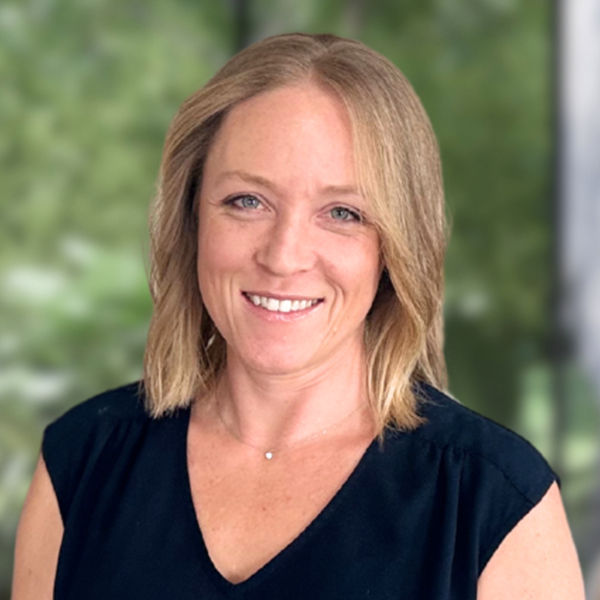
Carissa Carleton
she/her
Interim Chief Executive Officer
ceo@nan-rna.ca
Read bioCarissa Carleton brings a rare convergence of lived experience, professional expertise, and systems-level leadership to the National Autism Network. As an Autistic individual and parent to Autistic children, Carissa understands first-hand the systemic barriers that Autistic people navigate daily and is empowered to ensure that lived Autistic experience is embedded in the development of supports and systems across the country.
Carissa holds an MBA and has built a career as a corporate strategist and operations expert, with experience spanning company development and ownership to organizational leadership. A recognized thought leader on inclusivity and business leadership, she has advised organizations on building cultures and systems that work for everyone.
Her policy and governance experience is equally extensive. Carissa has served on a municipal policy committee and as an arbitrator on a municipal board, with a mandate rooted in legislation and policy compliance.
Drawing on experience guiding the development and implementation of national systems change in the sustainability sector, she brings a sophisticated understanding of how lasting structural change is designed and achieved.
Carissa currently serves as Chair of Governance at The Sinneave Family Foundation and as a board member of PLAN Calgary. She is also a former board member of AAFS Calgary, reflecting a career of sustained commitment to organizations advancing the lives of Autistic people and their families.
Carissa is honoured to bring this breadth of experience to Canada’s National Autism Network.
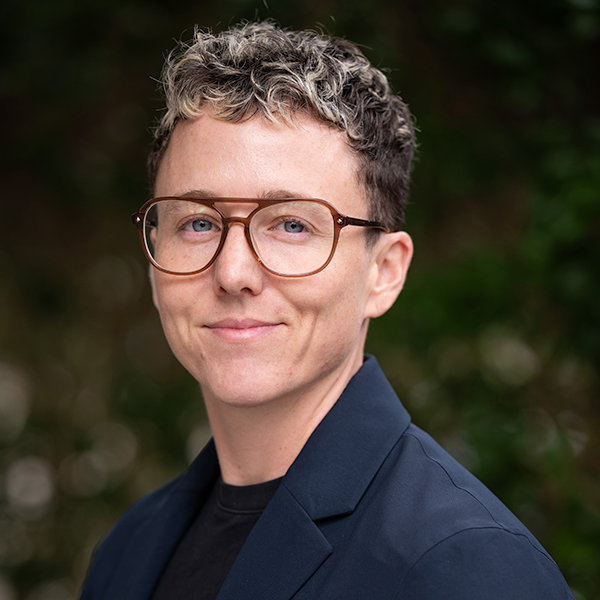
Max MacKellar
he/him
Project Operations Manager
max.mackellar@nan-rna.ca
Read bioMax brings over a decade of experience in project management, operations, and strategic planning across nonprofit, startup, and impact-driven sectors. With a strong foundation in building inclusive systems and leading cross-functional teams, Max specializes in creating collaborative, sustainable, and impact-driven operations that strengthen mission-based organizations. He previously founded a virtual movement platform focused on serving the 2SLGBTQIA+ community as well as those experiencing chronic illness and chronic pain.
As Project Operations Manager, Max leads the development of internal systems and structures that enable the Network’s mission. Drawing on both professional expertise and lived experience, he is deeply committed to equity, accessibility, and community-led change. Max is currently completing his studies in Masters of Business Administration at the University of British Columbia (UBC). His work focuses on building sustainable operations that will support the Network’s long-term growth while honouring the lived and living experiences of autistic people and their families.
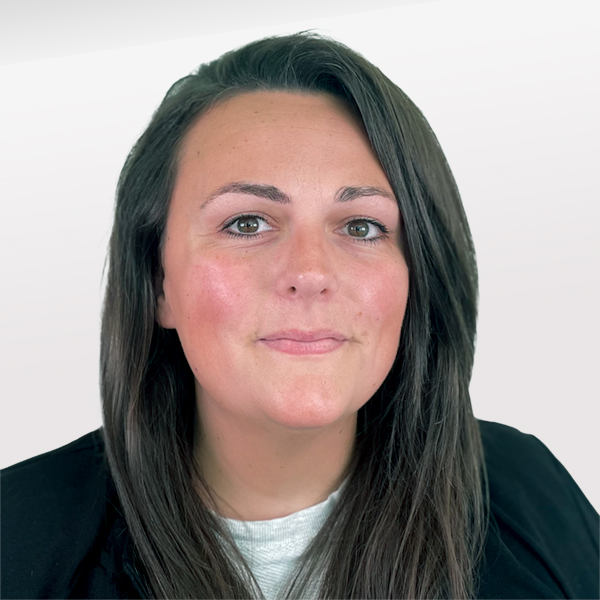
Jen McCaffrey
she/her
Communications Coordinator
jen.mccaffrey@nan-rna.ca
Read bioJen brings a decade of experience in digital communications, graphic design, and web development. She has worked with a range of community-focused organizations and businesses to help translate complex ideas into clear, approachable content that reflects the needs and values of the people it serves.
As Communications Coordinator for Canada’s National Autism Network, Jen leads the development and implementation of inclusive, bilingual communications strategies. She brings lived and living experience, and her personal journey navigating support gaps deeply informs her commitment to clear, non-stigmatizing, and community-centered messaging. She is dedicated to listening, learning, and ensuring that the Network’s communications reflect the real-life experiences of Autistic people and their families.
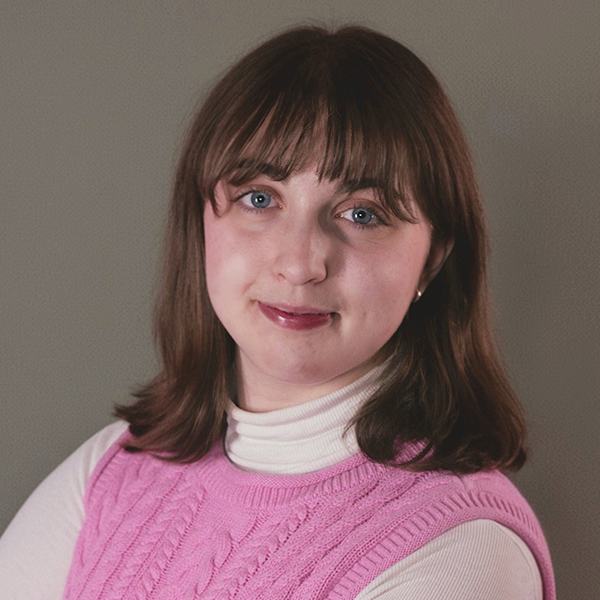
Sof Mehlitz
they/them
Community & Membership Engagement Coordinator
sof.mehlitz@nan-rna.ca
Read bioSof Mehlitz (they/them) is a dedicated and passionate accessibility advocate and educator working on the traditional, unceded territory of the Wolastoqiyik, also known as New Brunswick.
Their work is rooted in creating neuro-affirming, accessible and inclusive spaces that center and honour lived experience. In their previous role in public service, they helped foster safer, supportive work environments for individuals facing barriers to employment.
Driven by a belief in the transformative power of community and grass-roots organizations, Sof is actively involved in community advocacy. They previously co-chaired The 203 Centre for Gender and Sexual Diversity and currently serve on the Eviance Youth Committee, contributing to conversations about national disability justice and community driven research.
Outside of work, Sof is a master-level cosplayer, and they love to watch gymnastics and play cozy farming video games to unwind.
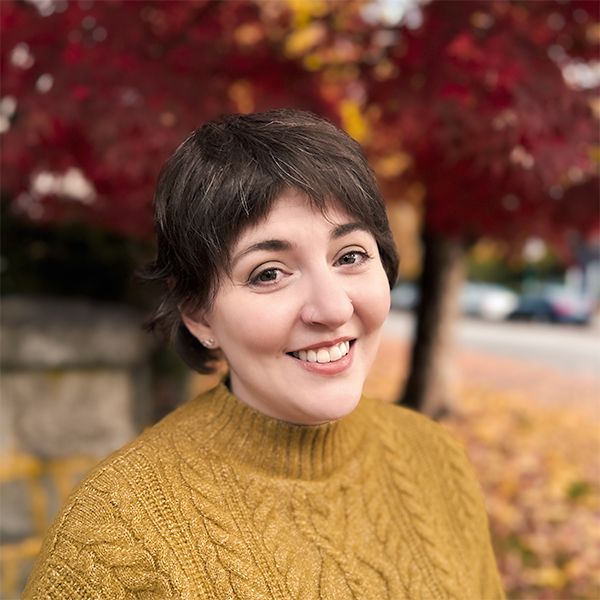
Elaina Moss
they/them
Council Engagement Coordinator
elaina.moss@nan-rna.ca
Read bioElaina Moss (They/Them) is a hard-of-hearing Autistic program and community development professional based in British Columbia. They have spent over a decade designing and leading mental health initiatives that centre lived and living experience, including peer support programs, community and workplace training programs, and a recovery college. They bring expertise in co-design, adult-education and psychoeducation, stakeholder engagement, and project management.
Elaina is passionate about building inclusive and collaborative spaces where Autistic perspectives meaningfully shape programs and systems, with particular interest in supporting Autistic people navigating chronic illness, concurrent disorders, intersecting identities, and those assigned female at birth who were late-diagnosed or late-identified, including women, non-binary, and agender individuals. Before moving into mental health and systems level work, they spent four years supporting preschool-aged non-speaking autistic children as a classroom support and music therapy assistant.
Outside of work, Elaina enjoys exploring their special interests in musical theatre, vocal technique, marine biology and narrative focused RPGS. They share their home with their spouse and two affectionate feline companions.
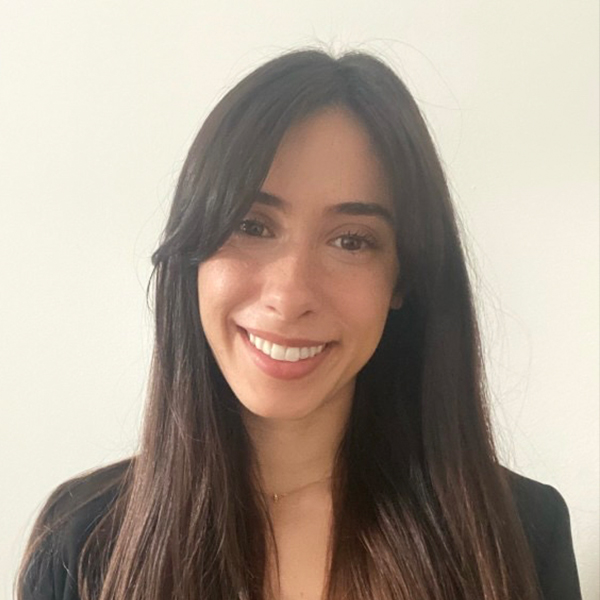
Marianna Papamihelakis
she/her
Committee Engagement Coordinator
marianna.papamihelakis@nan-rna.ca
Read bioComing Soon!
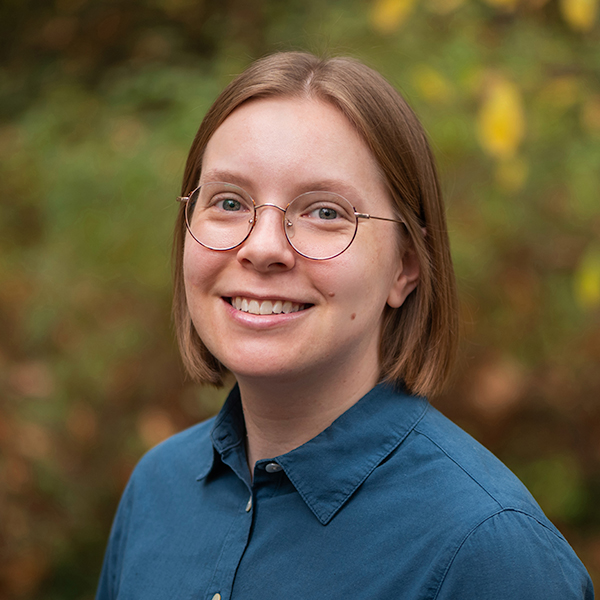
Olivia Tefft
she/her
Senior Research & Policy Analyst
olivia.tefft@nan-rna.ca
Read bioAs an autistic woman diagnosed in early adulthood, Olivia Tefft believes strongly in the importance of integrating lived experience and empirical data to develop effective policies and programs. In her current role as Senior Research and Policy Analyst, she supports the National Autism Network’s mission through evidence-informed research, policy analysis, and reporting.
Olivia brings 8 years of experience in research, project coordination, and stakeholder engagement across the health sector. Previously, Olivia worked as a Policy Analyst at the Public Health Agency of Canada, where she conducted qualitative and quantitative analysis to inform public health data initiatives. During this time, she served on the Steering Committee for the Infinity Network for Neurodivergent Public Servants, where she helped to establish a first-of-its-kind network that now represents over 3,000 members across the federal public service. More recently, she worked at the Public Health Association of British Columbia, where she led a province-wide initiative to develop a community action plan to advance BC’s Population and Public Health Framework.
She holds a Master of Arts in Health and Exercise Psychology from the University of Manitoba, where her thesis used knowledge translation frameworks to examine how different understandings of chronic pain influence assessment and treatment approaches.
Based on Vancouver Island, Olivia enjoys exploring and learning about the local environment, playing video games, swimming, reading fantasy and sci-fi novels, weightlifting, listening to music, and spending quality time with her partner and three cats.

Rebekah Kintzinger
she/her
Accessibility Advisor
rebekah.kintzinger@nan-rna.ca
Read bioRebekah Kintzinger is a Canadian Autistic advocate, writer, and accessibility advisor based in Kelowna, BC. Diagnosed in 2012, Rebekah has spent over 7 years working to advance accessibility, equity, and inclusion for Autistic and disabled people across Canada, and internationally. Her work spans health, education, and policy, centering Autistic perspectives in publications, conferences, and government submissions.
She has been published in Autistics Aloud and the Canadian Journal of Autism Equity, spoken at national and international events, and been quoted in Senate discussions and news media.
Rebekah currently helps shape neuro-affirming communication practices and accessible content. She also mentors other Autistic people and collaborates on projects that center lived experience and systems change.
Creative and community-minded, Rebekah brings compassion and curiosity to everything from policy to parenting. She lives with her neurodivergent family, loves drawing and writing, and is known for re-enacting Monty Python skits with her kids.
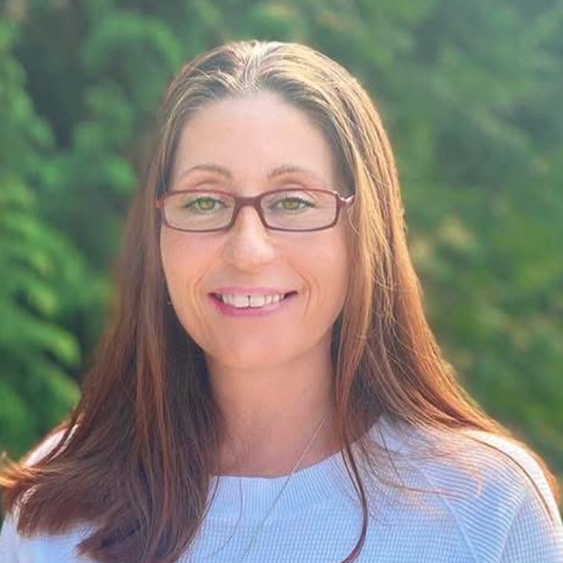
Jennifer Branston
she/her
Administrative Associate
jennifer.branston@nan-rna.ca
Read bioJennifer Branston is a passionate advocate for Autism and accessibility, dedicated to promoting equity and challenging systemic ableism across British Columbia. Her commitment to inclusive communities is reflected in her previous service on the North Shore Disability Advisory Committee, as well as board roles with Autism Community Training (ACT) and Autism B.C.
Jennifer is a frequent speaker on neurodivergence, neuro affirmative practice and ableism, sharing her insights at institutions such as the University of British Columbia (UBC) and Simon Fraser University (SFU). As the past chair of the North Vancouver Parent Advisory Council (NVPAC), she led both its Diversity, Equity and Inclusion and Disability Advisory Committees for over seven years, offering valuable perspectives as both an Autistic adult and Autistic parent.
She also serves as a UBC Health Mentor and was honoured with the 2024 George Matthew Award for Excellence in Parent Leadership from the BC Confederation of Parent Advisory Councils (BCCPAC).
Through her leadership, advocacy, and public engagement, Jennifer works to foster inclusive practices and deepen understanding of Autism within educational and healthcare systems, as well as the broader community.
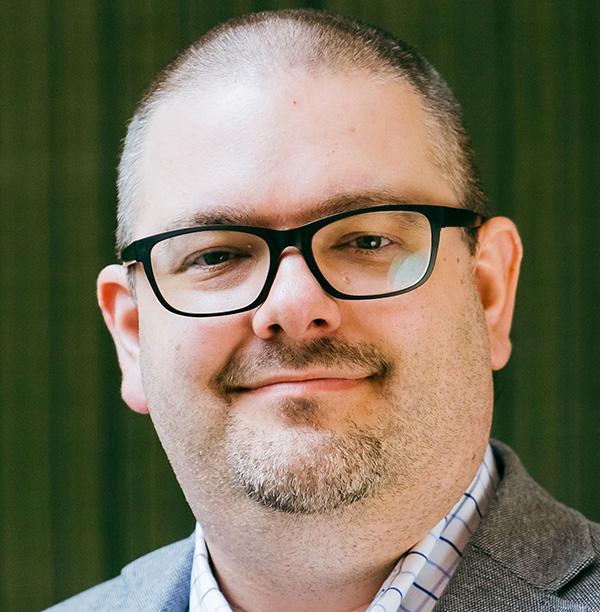
Dr. Mackenzie Salt
he/him
Knowledge Broker
mackenzie.salt@nan-rna.ca
Read bioDr. Mackenzie Salt is an Autistic autism researcher and a research associate with the McMaster University Autism Research Team and the National Centre for Autism Collaboration. He is also a part-time assistant professor in the Department of Psychiatry and Behavioural Neurosciences at McMaster University. He holds a PhD in Cognitive Science of Language from McMaster University and he is a Health System Impact Fellowship program alumnus. He has a background in qualitative research and research engagement. He has worked with Autistic people for over 15 years and he is currently working on several projects, all involving gathering information from and learning from the experiences of Autistic adults and using the findings to inform policy change. He is also currently the Editor-in-Chief of the all-Autistic editorial board of the Canadian Journal of Autism Equity.
Meet The Board

Maddy Dever
Board Chair
Read bioI’m an Autistic advocate, writer, speaker, and parent of four Autistic young adults (ages 17–26). I live in the small rural town of Smiths Falls, just outside Ottawa, and bring both lived experience and governance knowledge to the table.
Over the past decade, I’ve worked across Canada to shift the conversation about autism and disability toward strengths, acceptance, and inclusion.
I advocate at all levels of government and with organizations across the country to ensure Autistics and their families are not only heard but meaningfully involved in shaping the policies and programs that impact us.
I’ve served the past four years as Co-Vice Chair of the Autism Alliance of Canada and am currently the Interim Chair of the Board of Directors for the National Autism Network. I’ve also been involved in research, education, and health care initiatives that prioritize co-design and lived experience leadership.
I am continuing to serve on the National Autism Network’s Board of Directors to support our mission of helping Autistics thrive by guiding governance with transparency, compassion, and the belief that real inclusion starts when we lead together.
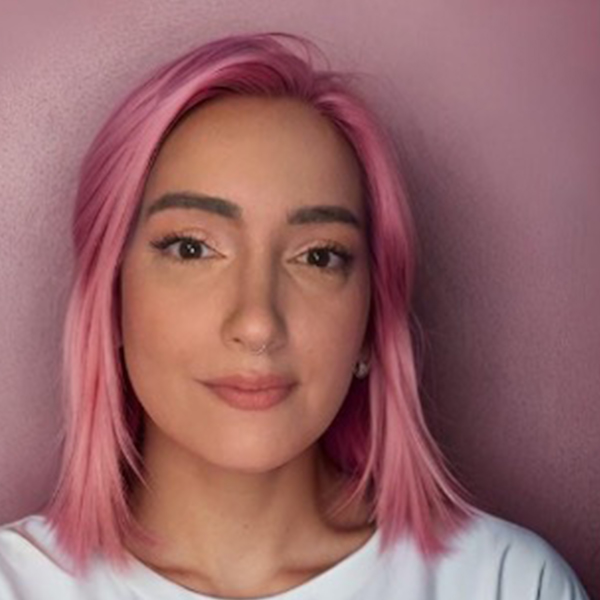
Dani Marshall
Board Vice-Chair
Read bioMy name is Dani, and I live with my family in Gatineau, Quebec, where I’m a proud mother to two daughters. I am an Innu woman and a member of the Pekuakamiulnuatsh First Nation (Mashteuiatsh). My lived experiences deeply inform my work, and I am committed to ensuring Indigenous voices are heard and valued at every table I sit at.
I work as a Project Management Advisor with Indigenous Services Canada, focusing on child and family services reform and data modernization. I hold a Project Management Professional certification and am passionate about leading initiatives that support and empower communities.
As a neurodivergent person with lived experience of ADHD and autism, I bring a unique and intersectional perspective to both my professional and volunteer roles. I believe that representation matters—and that Indigenous and neurodiverse voices must be central in shaping the policies and communities that affect us.
Outside of my public service career, I volunteer with Girl Guides of Canada and actively organize within the Infinity Network, a community for neurodiverse public servants.
I am excited and honoured to be elected Board of Directors of the National Autism Network. I am looking forward to contribute my skills in governance, project management, and community building. Most importantly, I want to help strengthen a national voice that centres the perspectives, rights, and dignity of autistic and Indigenous people in Canada.
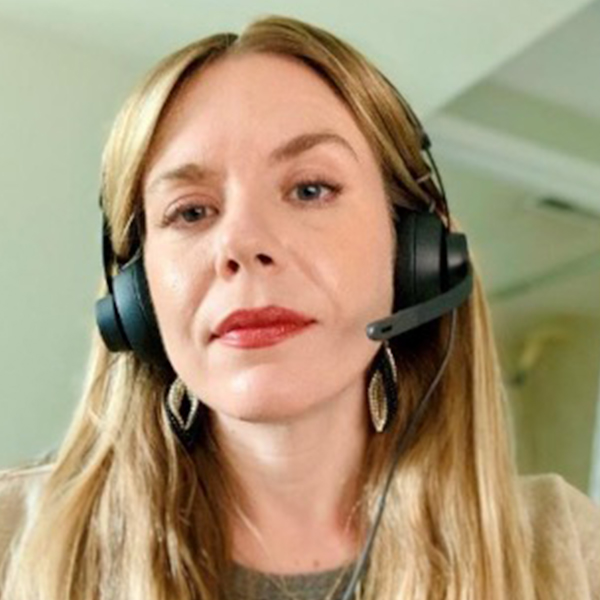
Amanda Hutchison
Read bioHello/Bonjour, my name is Amanda Hutchison and I’m a settler on Qayqayt First Nation land, colonially known as New Westminster, BC. With a professional background in provincial and federal public service, I exercise my creative spirit as a writer who breaks down cultural and societal trends to become more accessible.
To combat the time I spend online, I beach glass hunt, as it combines exercise, proximity to nature and pattern recognition, lighting up my neurodiverse brain. I self-diagnosed on the ASD in 2003 when a friend shared her clinical diagnosis with me, where I related to every single word on the document.
Today, I live openly as an Autistic adult which is due to disability support organizations such as AutismBC, The Canadian Centre for Rehabilitation and Work, and Neil Squire. My desire to be on the Board of Directors of the National Autism Network stems not only from my lived experience as an unsupported Autistic youth, but to speak for Autistic adults like myself who cannot maintain sustainable work and live on or below the poverty line.
I promise to advocate for enhancing and expanding investment in employment programs so many more Autistic people living in Canada are successfully employed.
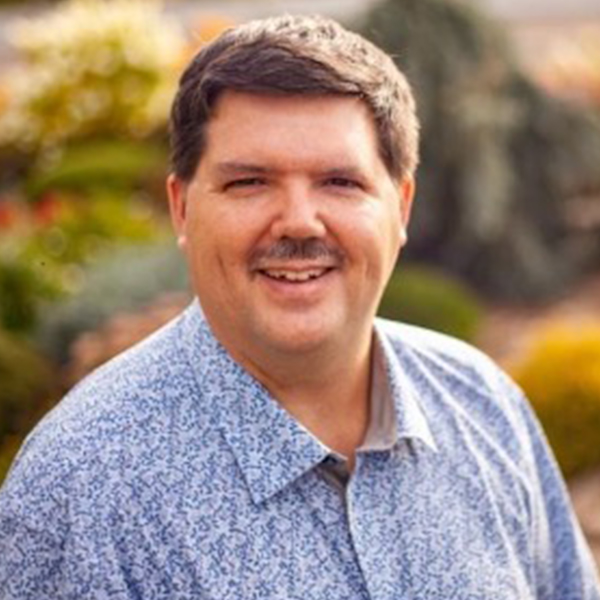
Corey Walker
Read bioI live in Dawson Creek in Northern BC with my autistic wife. I am an autistic motivational speaker who equips and empowers autistic individuals and other neurodivergent people, as well as their families, to live full lives by sharing some of the strategies I’ve used to overcome many of the challenges in my life.
I believe that everybody has a right to a full and enriching life. I also share how their uniqueness can be used as a strength.
I was diagnosed as autistic while in my early 20s and have experienced both success and discrimination because of my diagnosis.
I have been involved with the Autism Alliance since 2019, joining their board in 2020 and have worked for various autism organizations between 2012 and 2022. During that period, I authored a toolkit on autistic employment (reflecting 172 autistic voices) and pushed for full inclusion of the autism community in society.
I joined the National Autism Network board because I feel we need voices from both smaller and larger centres to ensure Canada’s national autism strategy reflects the needs of the entire autism community. I will be a tireless advocate for all of those in the autism community, regardless of their location or background.
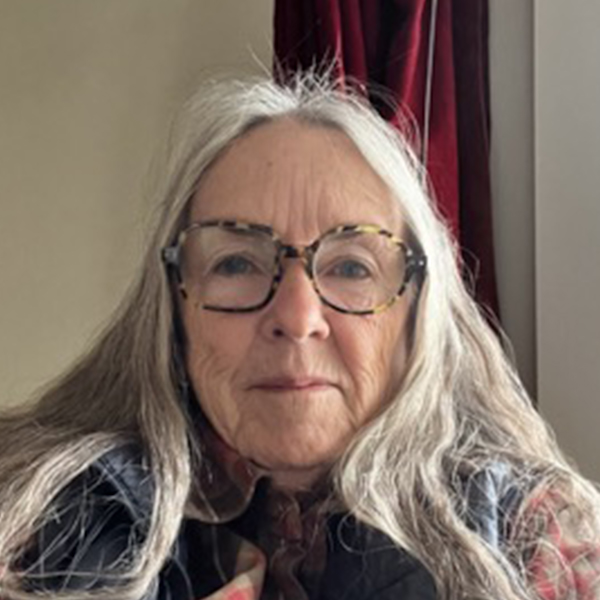
Debra Brin
Read bioI live in a rural Saskatchewan community and spend my time reading, writing and gardening. I discovered that I’m Autistic after retirement from a wide range of occupations that I could never figure out why they were not a good fit.
I was also the single parent of an Autistic son who lived to age 36. He was born in 1974 and also lived undiagnosed as we were both “skilled maskers”. There was awareness (and self-awareness) of our difference from others but not of our struggles.
I believe that I can help bring to the board the voice of the late- or non-diagnosed Autistics who never have the chance to make informed choices about their life’s path, their related medical issues, how to access support or even how to find other Autistics.
Many of us with sensory issues do eventually find each other in small towns, once we get a pension, where life is slower and quieter, and where we might afford housing.
Many of us end up unhoused at any stage in life. As well as perspective, I have skills and insights gleaned from my participation and leadership in social justice groups that could be valuable in the struggle to improve our opportunities and outcomes in life as Autistic people.
The National Autism Network gives me hope that we can make positive changes, even in light of the flood of misinformation coming into our country right now.
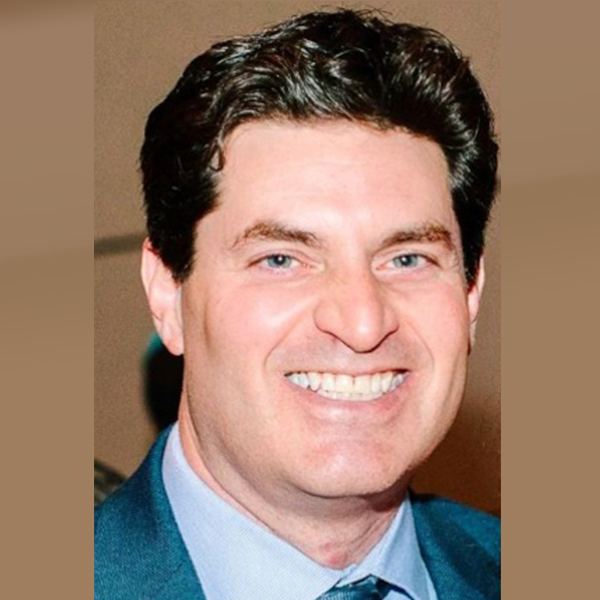
Evan Rubin
Read bioEvan Rubin, from Richmond, BC, is a passionate people connector, advocate, and strategic thinker with over 25 years of leadership experience across nonprofit and for-profit sectors. Known for his people-centered and creative approach, he has built strong relationships with grassroots organizations, national networks, government partners, and business leaders to advance inclusion and community collaboration.
Evan’s professional experience spans multiple sectors, including work as a Business Analyst and QA Project Manager for a multinational B2B retail procurement platform, establishing and managing the West Coast operations of a national recruitment agency, and most recently, a community-facing inclusion engagement role with an autism organization. There, he led initiatives focused on meaningful inclusion, community engagement, and lifespan support while strengthening partnerships and amplifying the voices of Autistic people and families in shaping inclusive practices.
In both professional and volunteer roles, Evan has built meaningful corporate and community partnerships and helped organizations grow through strategic planning, new program development, and new business initiatives. His collaborative approach has helped secure significant funding for nonprofits by creating new fundraising opportunities and corporate partnerships, cultivating donor and community engagement, and crafting and supporting successful grant applications.
As the proud dad of an Autistic son, Evan brings more than 20 years of lived and living experience. His family’s journey has given him deep insight into the barriers faced by Autistic people and families such as screening and diagnosis, economic inclusion, and access to services and resources. This fuels his drive to build a more inclusive Canada for Autistic individuals like his son and for families like his own.
Evan believes Autistic people and families must be meaningfully included in shaping priorities and action. His goal on the National Autism Network Board is to help drive real, lasting change, ensuring that policy, programming, and funding are informed by community wisdom, accountability, and sustained follow-through.
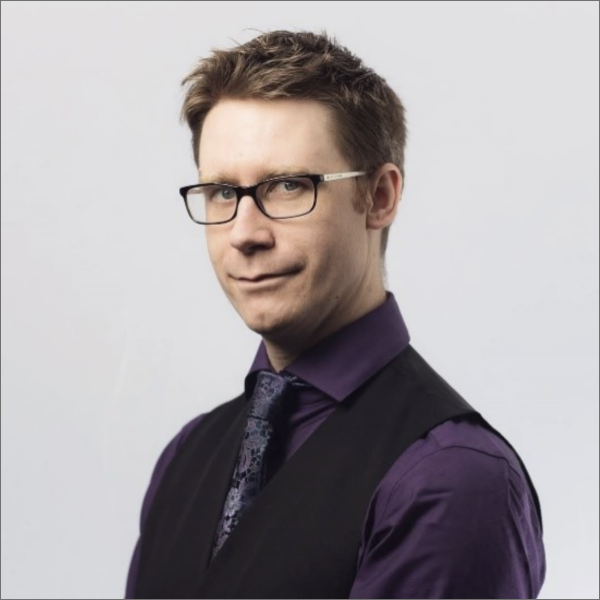
Daniel Paulin

Lydia Clarke Rehman
Read bioMy name is Lydia Clarke Rehman, and I’m from Toronto, ON.
I hold a Bachelor of Science in Anthropology, a Bachelor of Laws, and a Master of Public Health in Indigenous Health, as well as a Postgraduate Certificate in Autism and Behavioural Science.
I have over five years of professional experience working in health research and supporting student success within higher education. I’m a lifelong-learner and I enjoy writing, reading, painting, travelling, community engagement, crafting jewelry, and fishing in my spare time!
I am autistic, and my experiences navigating systems that have often been inherently ableist have deeply shaped my passion for advocacy. These challenges have given me a critical perspective on accessibility and the need for meaningful inclusion of autistic and neurodivergent voices.
I am committed to building a Canada where the lived experiences of autistic individuals and their families shape policies, systems, and communities.
I bring my education, policy expertise, leadership, and lived experience to advocate for inclusion, equity, and opportunity across education, policy, and community life.
Serving on the Board of the National Autism Network will allow me to use these experiences to strengthen representation and create meaningful opportunities for autistic people nationwide.
Mathieu Giroux
Read bioI am an autistic person and considered unfit for employment. In addition, I live with multiple mental health diagnoses: anxiety, depression, self-harm, post-traumatic stress disorder, and suicidal episodes.
Despite this, I am very involved in the autism community in Quebec. For over 10 years, I have been a co-researcher in autism. I have co-authored several studies on various topics related to the inclusion of autistic people and developed a theoretical model on social camouflaging.
For the past five years, my focus has been on research projects that promote self-determination and stigma-free care for autistic people. I am also active at the provincial level as a member of the management committee of the Réseau National d’Expertise en TSA (RNETSA) and of the Réseau pour transformer les soins en autisme (RTSA-TACC).
My lived experience, combining strengths and challenges, along with the intersectionality of being part of the LGBTQ+ community and living with economic precarity offers me a valuable perspective on the diverse issues within the autistic community.
My interest in serving on the Board of Directors of the National Autism Network is rooted in the proverb: “Alone, I may go faster, but together we go further.” So, let’s go further, together!
Robin Carrey
Read bioMy name is Robin Carrey. I’m an AuDHD educator in Whitehorse, Yukon. I’m an avid reader, a diver-into-rabbit-holes, a dog-mom, and learning geek.
During my career as an educator, my teaching passions have been Theatre, Social Studies (via a social justice lens), English, and supporting my neurodivergent students.
Currently I work at our Department of Education as a Project Manager, my efforts split between our RISE (Reimagining Inclusive and Special Education) and Student Support Services divisions.
I grew up at a time when ADHD/Autism were not considered disorders that were found among little girls. It took decades to get an ADHD diagnosis, and my Autism remains self-diagnosed. My health care team all agree that I’m autistic, but no one is interested in taking on the cost of helping me get diagnosed (which is particularly difficult for a grown woman in the North).
I want to help create a Canada where the stigma against all NDs, including Autism, is dispelled, where we’re recognized interacting with, perceiving and processing the world differently, rather than being flawed. I want my students to live in a world where their ways of being in the world are accepted, valued and accurately understood.
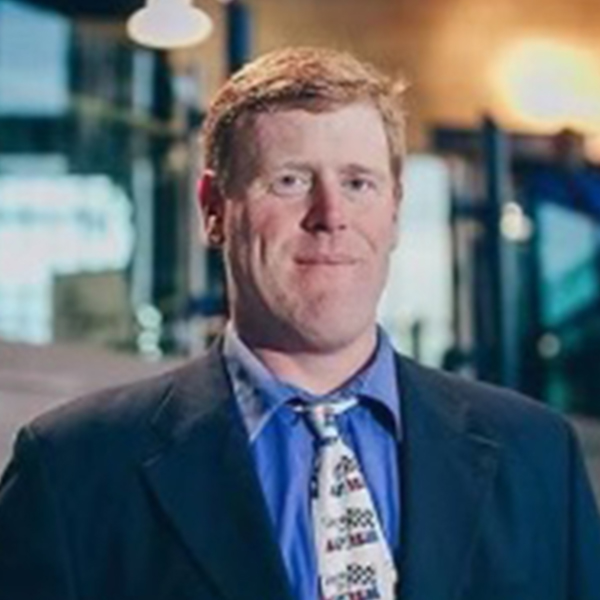
Tom Jackman
Read bioTom is an advocate for acceptance of people on the autism spectrum.
He has been invited to speak and do presentations at many national conferences, including the Geneva Centre for Autism conference in Toronto, the pre-eminent international conference on autism.
Tom is featured in the film Autism Grows Up, a Kelly Brothers/Ability Hub production, which takes a look at the employment challenges of young adults living on the spectrum. He is also featured in the book “Autism: The Gift That Needs to Be Opened”; a resource aimed at improving the lives of parents, educators, and of those on the autism spectrum.
In 2013, Tom received a Queen’s Diamond Jubilee Medal to recognize his volunteer work with the Autism Society of Newfoundland and Labrador.
In 2023, Tom received the second annual Jim and Ginette Munson Autism Leadership Award from the Autism Alliance of Canada, in recognition of his demonstrated leadership and commitment to autism awareness and acceptance.
Tom was part of a team of Autistic adults and family members that assembled a Mental Health Literacy Guide for adults on the spectrum.
The Autism Mental Literacy Project (AM-Help) is available online, and is a project of York University, the Public Health Agency of Canada, and the Center for Addiction and Mental Health. This project also produced six animated YouTube videos about understanding autistic mental health and wellbeing, and the supports that are available.
Tom is a leader/ambassador for neurodiversity at Motormind Garage. Motormind Garage is a new innovative and inclusive Motorsports oriented program that brings together people from neurodiversity, plus many other brain related backgrounds such as concussions and dyslexia.
Motormind believes in the Power of Motorsports. Our activities revolve around Motorsports, from engine therapy to car builds. This unique and inclusive program for those into racing, race simulators, karting, and track racing allows individuals to be involved with automotive technology and motorsports, while developing transferable skills, which can lead to employment and future lifelong opportunities.
Tom recently completed a lengthy board term at Autism Canada, and has previously served on the board of the Autism Society of Newfoundland and Labrador.
Tom is on the Autism Action Council in Newfoundland and Labrador which implements the provincial Autism Action Plan. The plan is an initiative by the provincial government to improve autism services through a more integrated, “whole government” approach. The plan focuses on expanding and enhancing support for individuals with autism, and their families.
Tom is a community ambassador at Disability Without Poverty. From our board of directors to provincial coordinators, from our talented staff to visionary leadership, and from our board of directors to our community partners, disability without poverty is united with a shared purpose to foster prosperity, harness collective power, ignite passion, and ensure full participation for every person with a disability across Canada.
Tom is a member of the Autistic Advisory Team at (ACT) – Autism Community Training.
Tom lives in St. John’s Newfoundland and Labrador.
If you want to connect with Tom Jackman, you can contact him via email: tagjackman@gmail.com
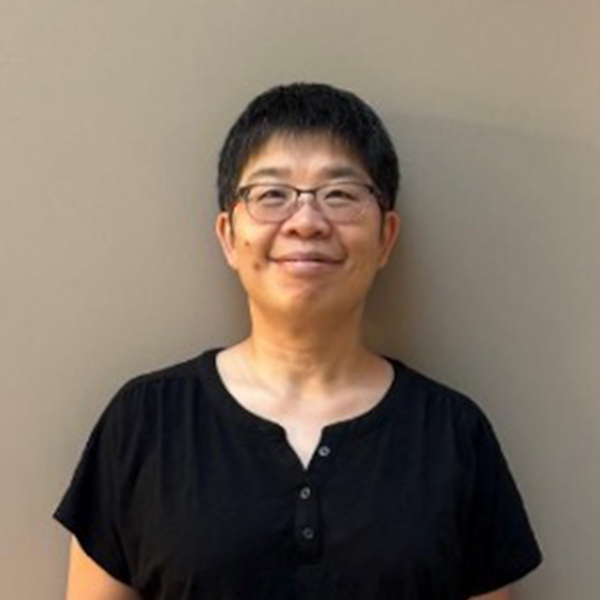
Ying Wu, PhD
Read bioCalgary, Alberta
I am a PhD-trained scientist with over 30 years of experience in brain research at universities in China, the United States, and Canada.
Alongside my scientific career, I have been deeply involved in community initiatives focused on autism spectrum disorder (ASD) and family support. For more than a decade, I have supported local Chinese immigrant families raising children with ASD.
Since 2022, I have served as a member of the Provincial Parent Advisory Committee – Family Support for Children with Disabilities (FSCD). Since 2023, I have also served as a peer mentor and family advisor with Family-to-Family Connections at Alberta Children’s Hospital, and as a board member at Janus Academy, a private school dedicated to students with ASD.
As the proud mother of an autistic youth, I have developed a profound appreciation for the unique strengths and potential of every autistic individual. My lived experience has strengthened my belief that, with the right supports and inclusive environments, autistic individuals can thrive and make meaningful contributions to their communities.
In 2024, I co-founded Spectrum Promising Association (SPA), a nonprofit organization dedicated to advancing understanding, inclusion, and opportunities for autistic individuals.
Through a strength-based approach, SPA strives to create inclusive environments where individuals with ASD can flourish and be valued for their unique contributions.
I am eager to contribute my scientific expertise, community experience, and personal journey—while learning from others across Canada. By working together, sharing diverse perspectives, and building on our collective strengths, I believe we can create better outcomes for autistic individuals and their families.
Autistic Advisory Council
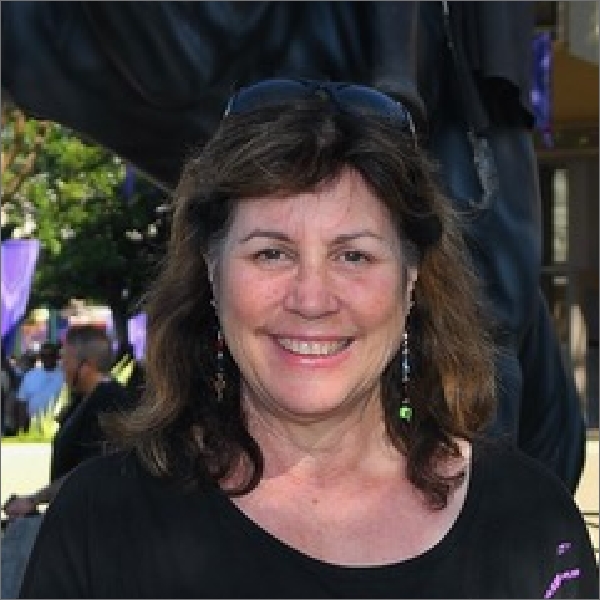
Cyndi Gerlach
Co-Chair
Read bioCyndi Gerlach (Co-Chair) is an autistic advocate and national disability leader living on the unceded territory of the Coast Salish Peoples, specifically the Skwxwú7mesh (Squamish) and səl̓ílwətaʔɬ (Tsleil-Waututh) Nations, in what is now known as North Vancouver, British Columbia. She is a lifelong advocate for disability rights, with decades of experience advancing equity, inclusion, and systemic change through grassroots organizing, governance, and public policy.
Cyndi was elected as a Trustee on the North Vancouver School District Board of Education in 2011 and has served in leadership roles with organizations including Inclusion BC and the Autism Alliance of Canada, where she is currently Vice Chair. Diagnosed as autistic in 2020, she brings both lived experience and long-standing advocacy to her work, centering Autistic-led and Autistic-informed approaches.
Her work challenges stigma and ableism while promoting acceptance, dignity, and self-determination across education, healthcare, employment, and community life. Cyndi is honoured to work alongside Autistic leaders and allies through the National Autism Network to advance a coordinated, inclusive, and rights-based National Autism Strategy for Canada.
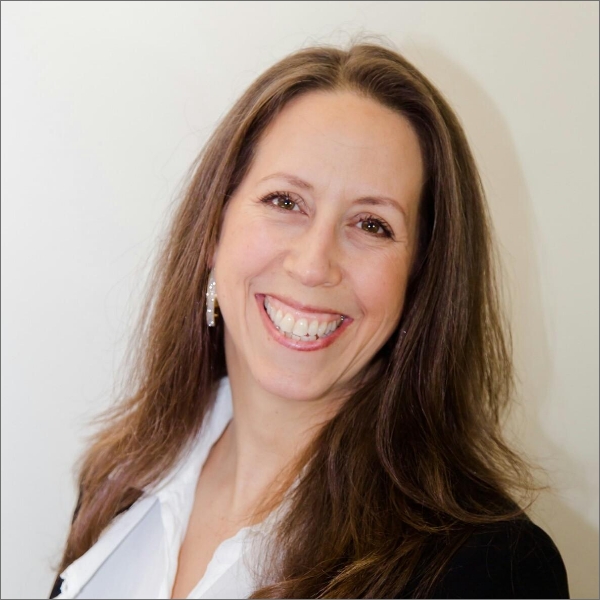
Suzanne Perreault
Co-Chair
Read bioSuzanne Perreault (Co-Chair) is a proud autistic self-advocate and mother of three autistic young adults. As Executive Director of AutismBC, British Columbia’s leading neuro-affirming autistic-led charity, she champions neuroaffirming, trauma-informed, and demand-aware supports that centre autonomy, choice, and lived experience.
With over 20 years in community development and mentorship, Suzanne offers private counselling for neurodivergent women in support of PDA, ADHD, anxiety, and trauma recovery. A former School Trustee and past chair of the BCCPAC Inclusive Education Committee, she has worked province-wide to build equitable, barrier-free learning environments. Suzanne currently co-chairs the Autistic First Voice Council, a standing committee of the National Autism Network, ensuring autistic voices lead national policy and practice. She is also a grassroots admin with BCEdAccess and a TEDx speaker (“The Story Untold is the Story Not Healed”). Nominated twice for the Fraser Valley Diversity Award and BC Excellence in Autism Awards, Suzanne’s gentle, bridge-building approach creates safe, inclusive spaces where neurodivergent people thrive on their own terms.
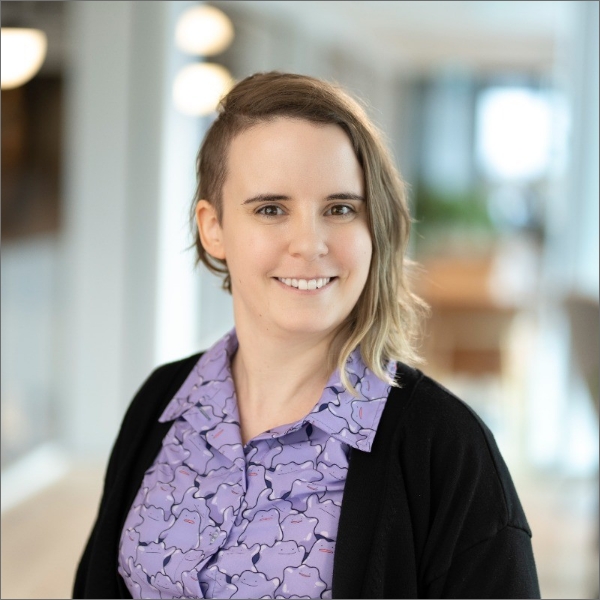
AJ Jones
Read bioMy name is AJ (she/they), and I’m a late-diagnosed AuDHD veteran, currently living and working in Toronto.
Growing up my autistic and ADHD traits were missed and mischaracterized because I was quiet and performed well in school. Teachers frequently suggested to my parents that I “skip a grade” but resorted to giving me additional work when they refused. I also realized at a young age, after years of isolation and bullying, that if I “acted normal” I could more easily move through the world. So, I was entirely unprepared and ill-equipped when I started my first year of university and barely scraped through with passing grades. If I wasn’t attending school under a military training program, I may very well have failed or dropped out.
I was finally diagnosed with Autism and ADHD in my mid-thirties after developed C-PTSD and MDD and was no longer able to sustain masking. My mental health diagnoses led to a medical release from the military, after which I went back to school with the goal of building a life and career where I could fully be myself.
Damon Kirsebom
Read bioDamon Kirsebom is a 24-year-old (mostly) nonspeaking autistic individual who learned to type his thoughts at age 15. He graduated from high school, and now attends university, with an interest in policy and sociology. Damon is committed to sharing his experiences with parents and professionals, with the goal that all nonspeaking autistic people will be fully included in our society. Along with many presentations, he has produced educational videos and collaborated with educators and researchers. He has also written a chapter in the book, “Leaders Around Me”, and has 4 poems published in Mentoring Minds’ Volume 1 & 2 “Pointed Poetry” books. Damon is also featured in Communication First’s short film, “Listen,” and is an interviewer in the Canadian version of “The Assembly”.
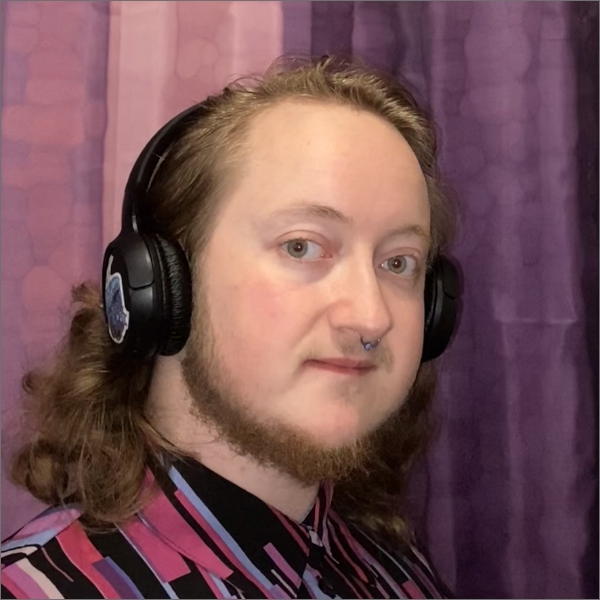
Fenn Hafey
Read bioMy familiarity with Autism comes from personal and professional experience. Despite knowing I was Autistic from my family since childhood, I was only diagnosed with AuDHD and PTSD in 2025 and am reworking my life around my neurodivergence with support from my Autistic friends and partner. I believe strongly in the power of Autistic community.
From 2022 to 2025, I worked in developmental disability services in Woodstock, Ontario, providing direct support to Autistic people with a diverse range of needs, as well as coordinating a children’s respite care program. I have seen how different each Autistic life can be, but also how much we have in common. I want to work towards inclusion and self-determination for Autistic people nationwide, at all levels of support needs.
Since 2025, I have been studying to go into social work. I am a part-time tutor, helping educate several children that classrooms sometimes fail to accommodate. I love acting and develop my skills in local theatre. I also volunteer with Big Brothers Big Sisters’ PRISM Program for 2SLGBTQ+ youth and facilitate Safer Spaces training with Oxford County’s Rainbow Coalition. I mostly go by he/they but prefer xe/xim/xis/ximself whenever possible.
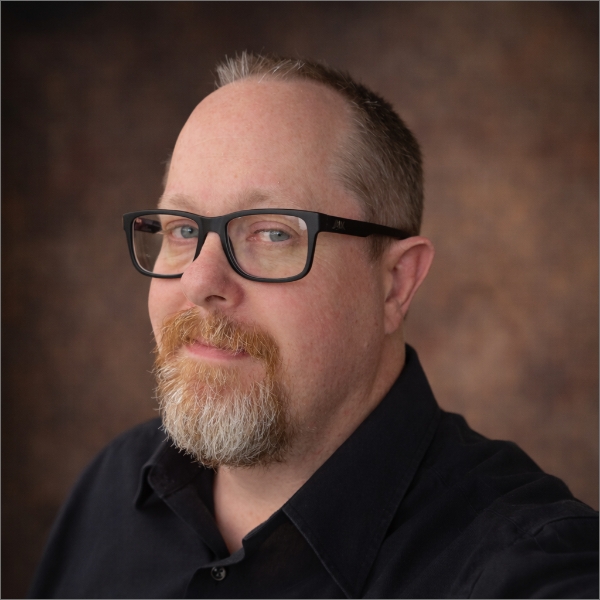
Glen Greenly
Read bioGlen Greenly (he/him) is an autistic poet and Library Systems Analyst based in British Columbia. In my day job, I work in post-secondary libraries, where I’m often translating information about systems and processes into something approachable. I care a lot about accessibility, privacy, and how information lands in real life, not just on paper.
I’m a Level 2 support needs late-diagnosed autistic adult with lived experience navigating life before diagnosis and life post-diagnosis in healthcare, employment, and accessing disability supports. I’ve learned firsthand how much consistency, dignity, and practical follow-through matter. As a poet, I write honestly about attention, life’s nuances, and resilience. Precise language matters to me.
On the Autistic Advisory Council, I’m here to listen, ask careful questions, and help move ideas into actions that improve daily life for autistic people across the lifespan. I’m grateful for the opportunity to contribute to advancing Canada’s Autism Strategy.
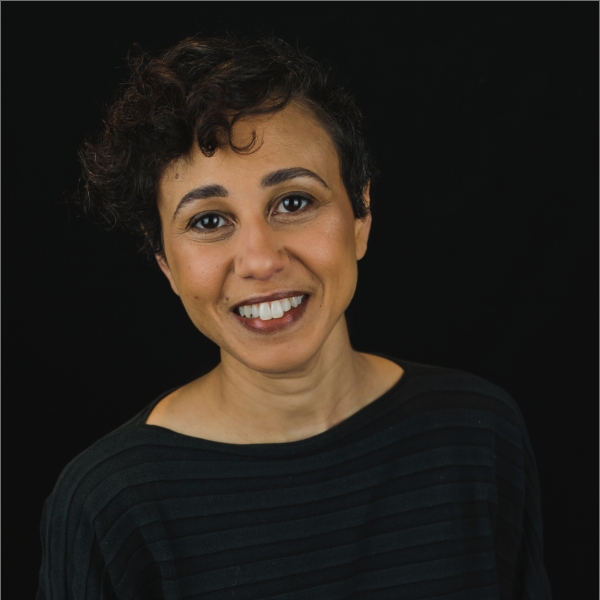
Kelly Bron Johnson
Read bioKelly Bron Johnson (she/they) is an Autistic and Hard-of-Hearing self-advocate, keynote speaker, author, and founder of Completely Inclusive and the Autistic Entrepreneurs Network. As a mixed-heritage Black, non-binary person, Kelly Bron brings her intersectional identity into all her work and aims to break down the stigmas and systemic barriers that exist in society to make the path easier for others.
Kelly Bron is also a Certified Psychological Health and Safety in the Workplace Advisor, a Mental Health First Aider, a Grief First Aider, a Workplace Mediator, and holds a Professional Certificate in Restorative Justice from Vermont Law and Graduate School.
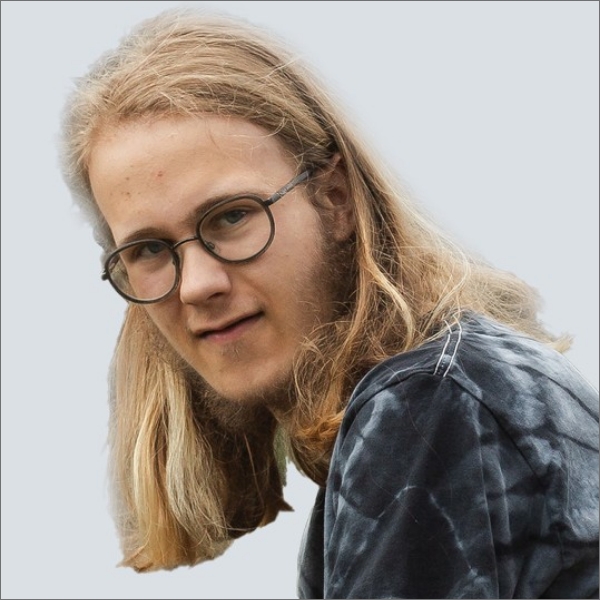
Luke Verhoeff
Read bioLuke Verhoeff is 21, an autistic nonspeaker who found his voice at 19. He is a self-professed max-chill hippie at heart. He aspires to become a poet.
Since becoming an open Speller, Luke has completed his first university course; written 15 poems—4 of which are published in Mentoring Minds’ Volume 1 & 2 “Pointed Poetry” books (available on Amazon); collaborated with his mom on their journey story in their book “Hopenstone” (available on Amazon); participated in a webinar sponsored by Aide Canada; was interviewed in a podcast called “Encouraging Nonspeakers: How Luke found his voice through RPM”; and worked with the University of Calgary Ethereal Team on research projects involving the potential use of virtual / eye-gaze letterboards. He was also a cast member in the CBC Gem TV Show “The Assembly” and he has been interviewed by CFJC-TV television and CBC radio.
Luke is passionate about advocating for and representing non/minimal/unreliable-speaking autistic people. His purpose in life is to make sure that no one has to go through what he went through, by bringing awareness to apraxia (brain-to-body disconnect) and the letterboard as a successful method for communication.
Follow Luke’s journey and learn more at thisisluke.ca.
Luke loves writing poetry, his morning Nespresso coffee, a really good steak, and spending time in nature with the wisdom of the trees.
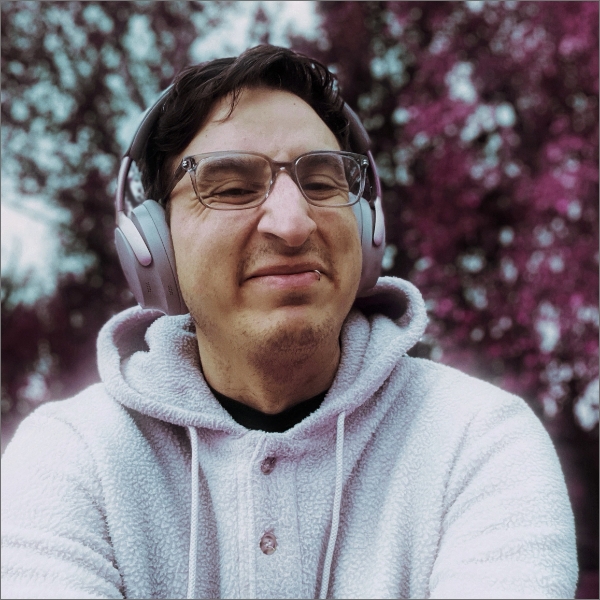
Ryan Elkanah
Read bioRyan Elkanah (he/him) is a late-diagnosed AuDHD adult based in Calgary, Alberta, whose advocacy is shaped by lived experience and over a decade supporting people through complex life transitions. Having grown up navigating multiple care systems, Ryan brings a grounded, relational lens from frontline youth work in Calgary, where he supported vulnerable youth facing homelessness, systemic barriers, and crisis.
Over the past four years with The Sinneave Family Foundation, he has supported autistic youth and adults through major life transitions, including employment, education, and community participation, while helping develop neuro-affirming programs and materials and fostering an organizational culture that centres inclusion and autistic perspectives. His approach integrates trauma-informed, person-centred, and strengths-based principles, creating spaces where people feel safe to bring their whole, authentic selves.
Ryan’s work centres passionate curiosity, reflection, and collaborative problem-solving. He believes real change begins with listening deeply and approaching systems with both honesty and imagination. As a member of the National Autism Network’s Autistic Advisory Council, he looks forward to contributing presence, clarity, and heart to meaningful systemic change that improves supports and opportunities for autistic people across Canada.
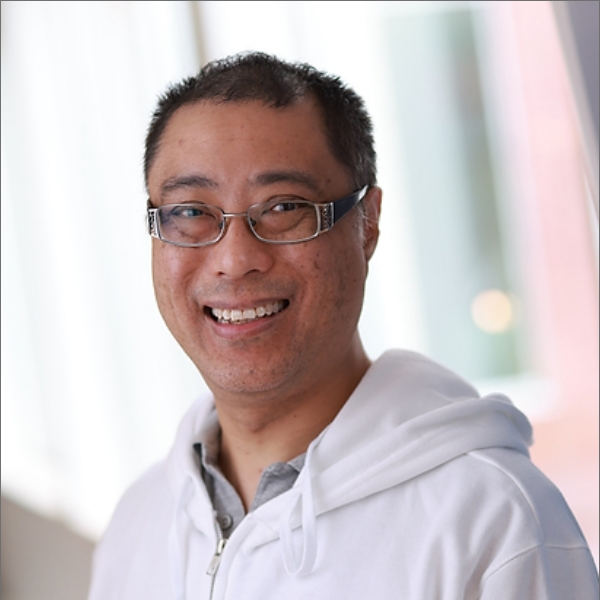
Sam Chan
Read bioSam Chan is a disability advocate, information curator and Cybersecurity specialist with over 25 years of experience. He is the founder of Trust-in-Yourself (T-i-Y), a Toronto-based company that views disability as a source of innovation, leveraging technology and partnerships with non-profits and employers to help neurodivergent communities overcome barriers and build meaningful careers in Cybersecurity and IT.
His mission is to equip individuals with practical skills and ongoing technical career support while helping companies advance workforce diversity and strengthen Cybersecurity readiness and advance workforce diversity through his simple yet powerful framework of: Learn – Employment – Support.
Sam is a graduate of Toronto Metropolitan University (TMU) and holds a Mental Health First Aid certification, along with disability-studies training from UBC, U of T, Realize, and CAMH – reflecting his commitment to lifelong learning to serve the disability community.
Sarai Guerrero
Read bioSarai Guerrero has an Ontario College Graduate Certificate Program with honours in Research and Evaluation, as well as a Bachelor’s and Master’s degree in chemistry. Sarai also has various trainings in science communication, policy, mental health, and accessibility issues. This includes leading a project to develop a client experience survey, both pictographic and non-pictographic, for individuals with intellectual and developmental disabilities within the Canopy Support Services’ Adult Response Program. Sarai has won the Alumni Association Ambassador Award, and the Distinguished Student Award at Fanshawe College for demonstrating leadership, volunteerism, and a commitment to helping others.
Sarai has reviewed and written policy documents, research, and surveys for non-profits and student unions. Sarai has provided peer support during psycho-educational groups and mentored students with disabilities while sitting on Fanshawe’s EDI and Anti-Oppression Task Force. Sarai has spoken at events like the NEADS State of the Schools tour, discussing accessibility barriers in educational policies and practices, and how to address them. Sarai was among the few nationally selected by the CWIC Network to participate in a science communication workshop, and one of two graduate researchers selected by the Chemical Institute of Canada to be a 2019 CSPC policy conference News Correspondent.
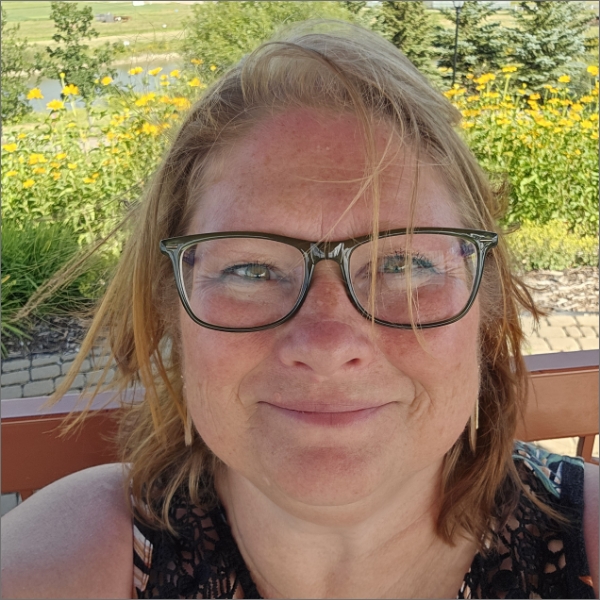
Shanyn Silinski
Read bioShanyn Silinski (she/her) is a late-diagnosed autistic who lives in South Central, Alberta. She is an artist, poet, writer, photographer and takes care of her son who is neurodivergent, along with their two dogs and a selection of cats. She lives in a rural area and is very familiar with the challenges facing the autistic community when they are not located in an urban centre. Her desire as a member of the Autistic Advisory Council is to advocate for late-diagnosed adults, young people struggling to find supports for safe independence and always, for everyone, mental health support and access. Her professional life followed many interesting pathways including emergency services, charity and non-profit sector as well as marketing and communications. She currently works for a post-secondary institution on the Advancement Team, and her special interests are diverse and eclectic.
Terri Robson
Read bioTerri Robson – After overcoming struggles to accept and understand the impact of Autism in her own life, Terri Robson was inspired to help others. With incredible determination she engaged in various projects to raise awareness and remove barriers for individuals with Autism.
Terri has become an ambassador and a voice for thousands of Albertans and other Canadians who cannot speak for themselves. The impact of Terri’s tireless work is tremendous as her presentations continue to be well received in communities and have admittedly even exceeded her own expectations.
Her impressive skills are not limited to her workspace. Terri is a leader and mentor who has worked tirelessly at many different events in Alberta for years. Her determination, hard work and effectiveness continue to inspire and to make a difference in Alberta’s communities.
Along with presentation and speaking skills, Terri uses her experience and knowledge as an editor for the Canadian Journal of Autism Equity. In this role, along with the other editors, Terri provides a safe forum for those individuals with Autism to highlight their views or provide clarifying information about the topic given for each edition.
Dynamic. Funny. Informative
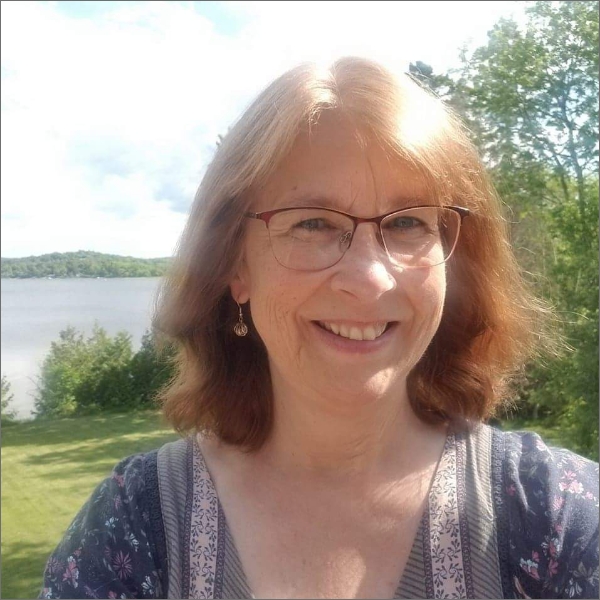
Trudy Marwick
Read bioTrudy Marwick – Autistic educator and advocate, I was diagnosed as autistic at 47 while learning more about autism and neurodiversity to support my own family. Advocating for my children showed me that, to have our voices heard and our needs considered, I needed to learn the language of the professionals around the table. This led me to pursue a Master’s degree in Education, specializing in Autism.
My husband and I moved to Grand Bay, New Brunswick in 2017. We previously lived and worked in Orkney, Scotland. Over several years, I have worked and volunteered with autism, disability, and access groups, contributing to campaigns and advocacy focused on equitable and inclusive practice. I hold a professional qualification in Inclusive Environmental Access and Design from Heriot-Watt University and, while living in Scotland, I worked and volunteered with Orkney Disability Forum, contributed to the Scottish Autism Strategy, sat on the Kirkwall Airport Advisory Group, and participated in Scottish Air Ambulance consultations and Scottish Parliament engagement events on disability and accessibility.
My volunteer roles have included serving as Parent Representative for Contact a Family Scotland, Lay Member for His Majesty’s Inspectorate of Education (HMIE), and active member of Access Panel Orkney, where I provided disability awareness training and shared practical strategies to create more inclusive environments and approaches. I am passionate about using lived experience to challenge stigma, influence policy, and advance equitable services for autistic and disabled people. Across all of these roles, my goal is to bridge lived experience and professional practice so that Autistic and disabled people and their families are genuinely heard, respected, and included.
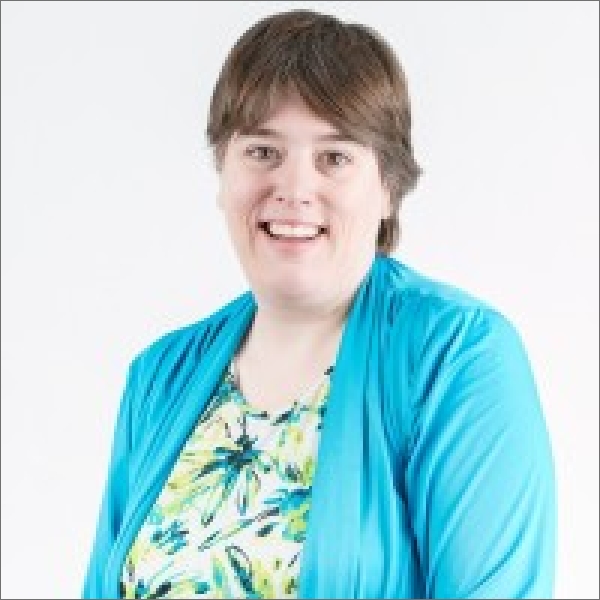
Yvonne Spicer
Read bioYvonne Spicer of London, Ontario, is a long-standing community leader whose twenty-year career has strengthened accessibility, equity, and inclusion across Canada. She is the Co-Founder of Lifetime Abilities, an emerging social enterprise that focuses on creative programming, inclusive education, and accessible planning. Yvonne is known for her clear, respectful communication, her steady leadership style, and her commitment to building environments where every person feels supported and heard.
Her work has included speaking at provincial, national, and international events, including the United Nations in New York City. She has contributed to system change through participation on community planning tables, inclusive research teams, and collaborative committees focused on improving housing, income security, and community participation. She also shares her insight through media features, creative projects, and her book My Life, My Choice, My Future, which highlights the importance of personal planning and self-directed decision-making.
Yvonne’s leadership and contributions have been recognized with several honors, including the Queen Elizabeth II Platinum Jubilee Award, the Jason Rae Award, the Outstanding KBHN Leadership in Family Engagement Award, and the David Conforti Reach for the Stars Award. She was recently selected to join the National Autism Network’s Leadership Panel, where her experience and perspective will help strengthen Canada’s Autism Strategy.
Family Advisory Council
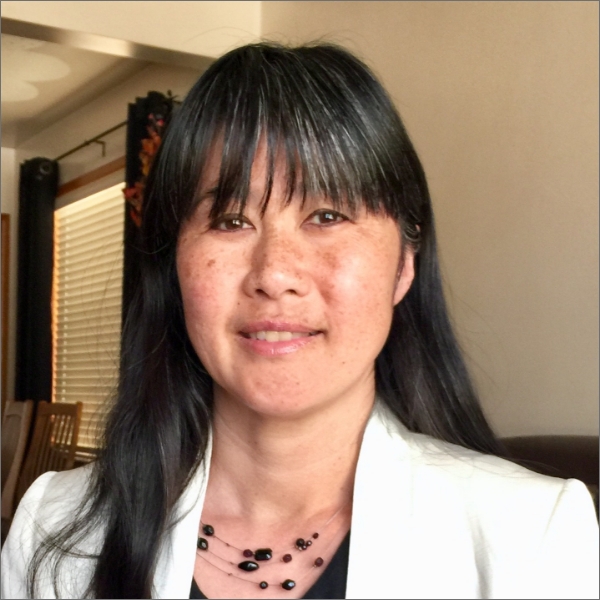
Shino Nakane
Co-Chair
Read bioShino Nakane (Co-Chair) is currently the Provincial Director for Autism Society Alberta. She has volunteered on a variety of boards and committees over the past decade like the Alberta Children’s Hospital Ethics Committee, the External Advisory Committee on Regulatory Competitiveness for the Treasury Board of Canada and has recently completed serving three terms for the Premier’s Council on the Status of Persons with Disabilities, an advisory body for the Government of Alberta.
She is currently the Chair of the Board of Directors for the Autism Alliance of Canada. Shino is the mother of a non-speaking young Autistic adult. She is happiest walking and hiking with her son in nature. Her passion is to continually strive to spearhead efforts so that all people are able to live in accessible and inclusive communities.
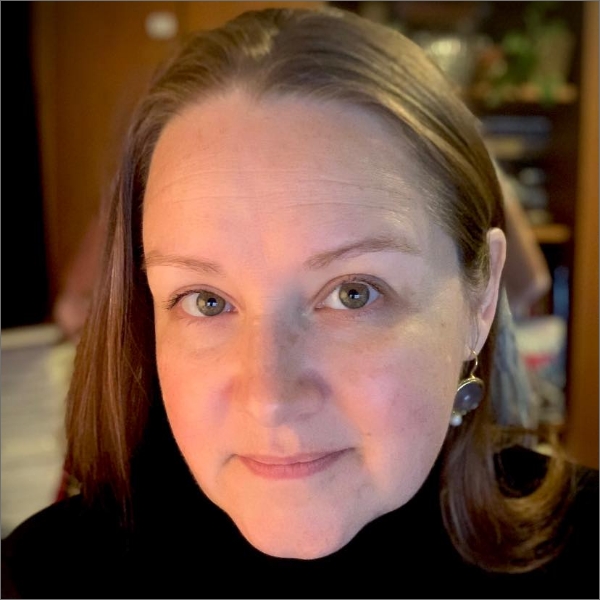
Alina Cameron
Co-Chair
Read bioAlina Cameron is an epidemiologist based in Slate River in Northwestern Ontario, a mother of three, and the President of the Ontario Autism Coalition.
Her work spans local, provincial, and national levels, focusing on autism policy, public health, education, and service systems across the lifespan. As an epidemiologist, she brings a population-level, data-informed approach to understanding inequities in access to supports, particularly for families in northern and rural communities.
Her advocacy is informed by both professional expertise and lived experience as a parent and peer navigating health-related systems. She is committed to community-led, rights-based approaches and to building cross-sector collaboration to drive systemic change.
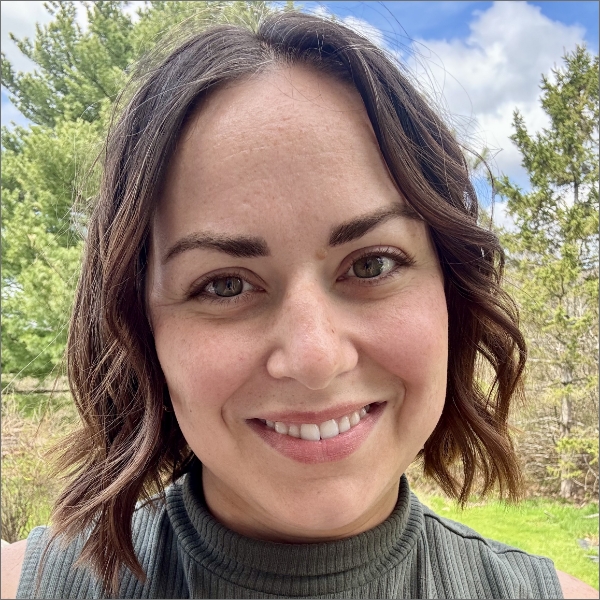
Angela MacGillivray
Read bioHello! My name is Angela MacGillivray, and I am from Nova Scotia! As a neurodiverse parent of neurodiverse children, I have lived experience navigating disability supports across both school and community systems. Supporting my children’s learning and growth has helped me to better understand the challenges families often face when accessing services, advocating for their needs, and building collaborative relationships with support teams.
These experiences inspired me to create Autistic & Ally Voices Antigonish, a small community group dedicated to sharing neuro-affirming information, offering guidance on navigating services, fostering inclusion, and advocating for stronger supports in our town. This work has significantly shaped who I am as a person, parent, educator, and advocate.
I am currently completing my Master of Inclusive Education, where my work focuses on guiding schools to support autistic learners’ autonomy and self-advocacy, while fostering meaningful belonging through person-centered, strengths-based practices.
I am grateful for the opportunity to join the Family Advisory Council and hope that my contributions will help strengthen accessibility and outcomes for all families!
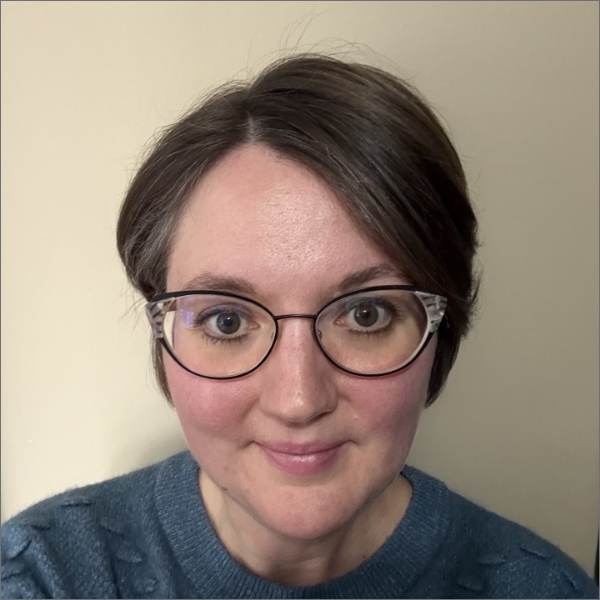
Brandy Fingas
Read bioBrandy Fingas (B.A. Hons (Psychology)) (she/her) is the neurospicy parent of two amazing kids, one of whom is autistic. She has extensive experience working with neurodivergent kids from past positions with Regina Public Schools, Regina Humane Society and The Terry Fox Foundation. A lifelong passion for learning and education has provided her with invaluable insights into the supports and resources necessary for neurodivergent students to be successful and thrive in schools.
Brandy is a full time advocate for her autistic daughter. When not researching or meeting with fellow advocates, she regularly collaborates with her children’s school to advance neuro-affirming school practices. She has worked with her children’s school to incorporate a sensory wall accessible to all students, and collaborates with the teacher librarian to expand the library collection to include more books that are neuro-affirming and representative of neurodivergent students.
In her spare time, Brandy likes to explore her special interests, including reading fantasy novels, baking, and diamond art painting, as well as encouraging and connecting with her wonderful kids by exploring their special interests.
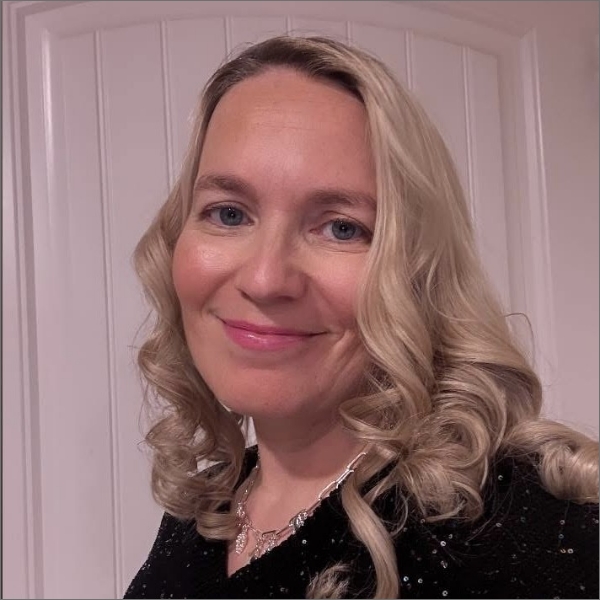
Chrystal Venator
Read bioBorn and raised in New Brunswick, Chrystal holds degrees in Arts, Business, and Education. Her greatest joy in life is raising her 10-year-old autistic, nonspeaking son, Stalen, and embracing every adventure they experience together. She is not only a devoted parent advocate but also a passionate champion for inclusiveness, accessibility, Augmentative and Alternative Communication.
Chrystal has worked tirelessly to spark awareness and positive change across her community and province. She played a key role in bringing Caroline’s Carts and communication boards to local spaces, and she brings extensive experience advocating within education, healthcare, and the wider community.
She cherishes time with her family, keeps active through running and boxing, and never misses a chance to play ball with her German Shepherd.
Chrystal is incredibly excited and deeply honoured to join the National Autism Network’s Standing Family Advisory Council. She’s eager to help drive meaningful change and support a future where Autistic people can truly thrive across Canada. She proudly shares the inspiring journey she and her son are navigating together on Stalen’s Way.
Emily Thompson
Read bioHi, I’m Emily Thompson. I live in St. John’s Newfoundland and Labrador and am the proud mom to my three-and-a-half-year-old son who is autistic (diagnosed at two and a half). Advocating for him, and for other children, adults and families in the autism community in Newfoundland and Labrador, is something I’m deeply passionate about. Professionally, for more than a decade, I’ve been working in public policy with the Government of Newfoundland and Labrador. Over the years, I’ve worked on everything from environmental and climate change policy, intergovernmental affairs and municipal governance. In my spare time, I love hanging out with my two small dogs and learning about outer space from my son (he’s quite the expert!)
I am committed to making our communities more inclusive and reflective of autistic voices. I look forward to serving on the National Autism Network Family Advisory Council to bring forward the unique perspectives of families living on our country’s east coast.
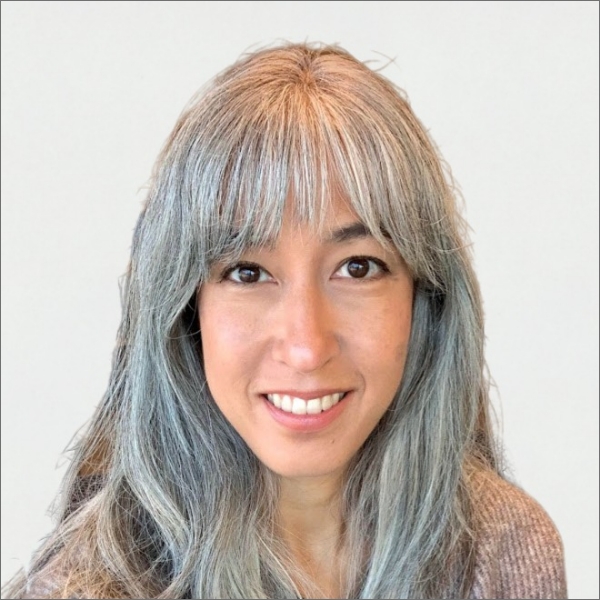
Jodene Baker
Read bioJodene Baker is the parent of an autistic child and is actively involved in navigating services, resources, and inclusive community spaces that support neurodiversity. She is committed to strengthening family voice in discussions about education, supports, and policy, and believes that autistic children and their families deserve meaningful influence in decisions that shape their daily lives. Jodene brings a thoughtful, systems-minded approach to this work, centered on curiosity, collaboration, and a desire to improve accessibility and understanding within environments where autistic youth learn, grow, and participate.
Professionally, Jodene serves as Vice-President of Research, Advocacy and External Relations at Imagine Canada. Her work spans sector-wide policy, nonprofit funding, and research, giving her experience in high-level strategy, relationship building, and interpreting complex information to inform decisions.
Jodene lives in Winnipeg, Manitoba.
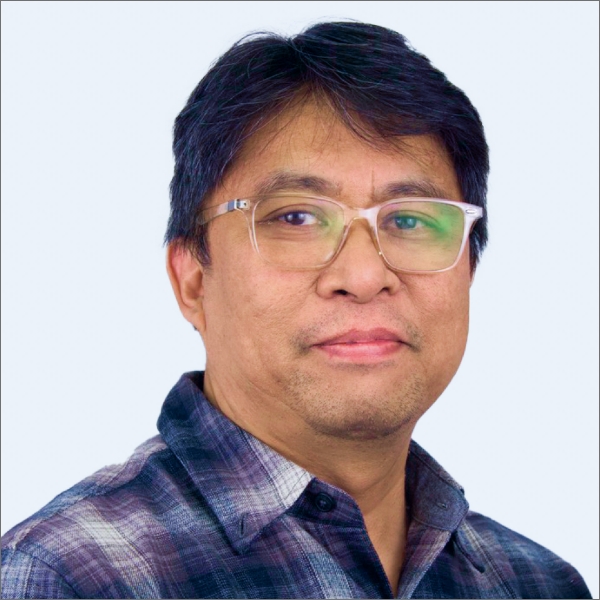
Joel Medenilla
Read bioI am Joel Medenilla (Uno), and my son is Joel II Medenilla (Dos)
Uno and Dos – journey through life
I am Joel Medenilla, a single parent to a 14yr old bubbly, smart and loving son, Dos, diagnosed with ASD and he is nonverbal. Our life’s journey is defined by profound learning about each other and unconditional love. The diagnosis of my son with autism was a pivotal moment, shifting the family’s focus and dynamic entirely.
I became a fierce advocate and a constant student in navigating the complexity of my son’s world. From therapy options, educational support systems and often overwhelming landscape of community resources. Throughout this process I discovered strength that I never knew I possess, a voice for my son.
Beyond the challenges, the experience this journey of ours has brought unexpected gifts: a unique perspective on diversity, greater appreciation of small victories and a membership to a supportive community of parents. I strive to share hope and practical advice with others going through a similar path, emphasizing that the journey is not just about managing a condition, but about celebrating the uniqueness and how wonderful our children are.
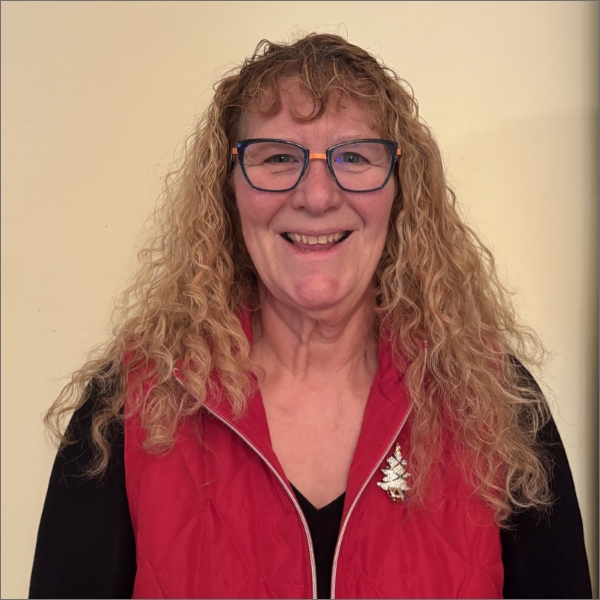
Lori Fankhanel
Read bioLori Fankhanel is a trained and certified Caregiver facilitator in Acceptance and Commitment Training (ACT). Lori is the previous Founder and President of Sensory Processing Disorder Canada, where she attended and facilitated workshops and conferences as far as Denver, Colorado. With over 25 years of experience as a mother of two exceptional children, she has worked with many multi-disciplinary teams in Edmonton, home to her and her family. She is a strong advocate for strength-based practices as she has seen the benefits firsthand. Lori enjoys walking in nature, spending time with her family and connecting with other moms who are equally as passionate about advocacy as she is.
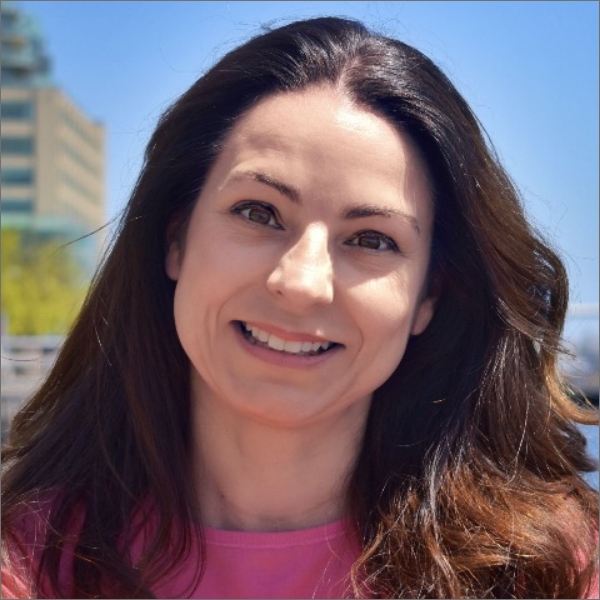
Monica Halsey
Read bioMonica Halsey is a lived experience educator, advocate, and systems collaborator working at the intersection of healthcare, education, and family engagement. She is the mother of two neurodivergent sons and has spent over a decade advancing family-centred care at Holland Bloorview Kids Rehabilitation Hospital, Canada’s largest children’s rehabilitation hospital. Monica embeds the patient and family voice across hospital initiatives, including the recent redesign of the autism diagnostic process.
She co-designed and co-facilitates a peer support group for caregivers awaiting autism assessments for their children and co-teaches the Family as Faculty Training Course, which prepares patient and family partners to co-deliver healthcare education. Monica is also a North American ambassador for the International Society for Patient Engagement Professionals (ISPEP) and is completing a Doctor of Education with a focus on neurodiversity, inclusive education, and system redesign.
Sarah Macklon
Read bioI am a forty plus year old who lives in Whitehorse, Yukon. I am the oldest of 5 and my younger brother has autism. He was diagnosed at age 3. We currently share a house, with him living in the downstairs and me upstairs; not a formal suite situation but it works for us as we have our own spaces but can still interact and help each other as needed.
Between the two of us, we have one dog, one cat and no spouses.
My current job is working with Autism Yukon, where I am the admin and office assistant. I interact with many children and adults on the spectrum every day. I also have experience working as a support worker for children and young adults with disabilities. I also grew up with a father who had multiple sclerosis (MS) so I am well versed in the world of accessibility, inclusion and disability support.
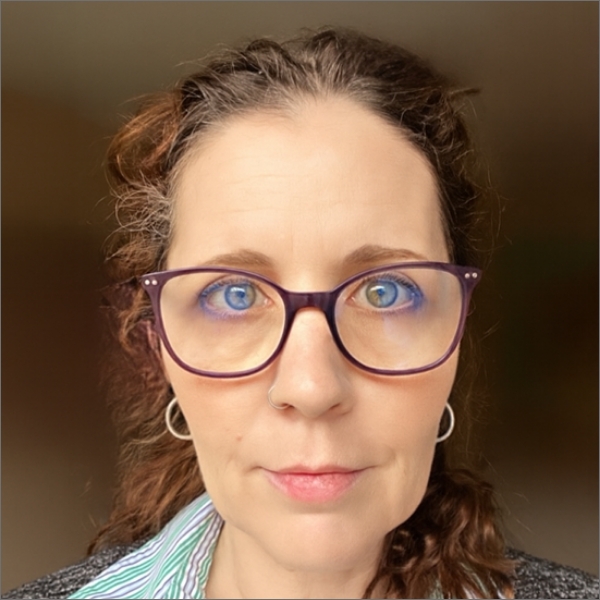
Sandra Norum
Read bioSandra Norum – As a parent with direct lived experience navigating assessment pathways, individualized supports, and community-based services for Autism, Sandra brings both personal insight and practical knowledge to her advisory work. She is committed to amplifying family voices, reducing barriers, and contributing to system-level improvements that reflect the realities of those directly affected.
Sandra is a long-time advocate for equitable access, inclusion, and family-centred support systems. With more than sixteen years of professional experience in education and mentorship, she has worked closely with diverse learners, families, and multidisciplinary teams to build environments that honour neurodiversity and lived expertise. Her approach is grounded in collaboration, empathy, and evidence-informed practice.
Sandra holds a background in psychology and educational technology and has supported districts in developing training, inclusive frameworks, and responsive learning environments. She is passionate about strengthening national dialogue, improving service navigation, and ensuring that policy decisions reflect the needs of autistic individuals and their families.
She is honoured to serve on the Family Advisory Council of Canada’s National Autism Network and contribute to the advancement of Canada’s Autism Strategy.
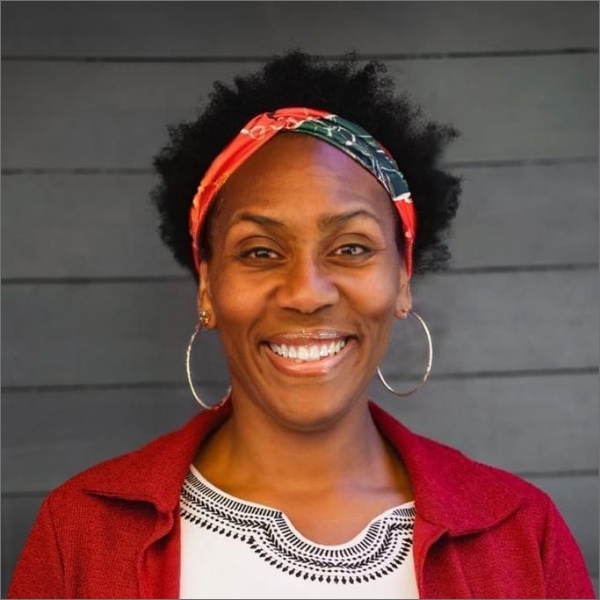
Sherron Grant
Read bioSherron Grant, M.Ed., has been an educator for over 20 years and an advocate for persons with special needs for even longer. She is currently an elementary school Principal in the province of Ontario. Sherron supports families, has volunteered in several capacities on various Boards and committees in the disability sector and advocates for persons living with various disabilities. Sherron has been the recipient of several awards including one from Autism Ontario and recently from the CCCE for her volunteer work and in co-founding Sawubona Africentric Circle of Support, a nonprofit organization with outreach across the country. Sawubona is a safe space for connection for Black parents/caregivers raising and caring for a loved one with a disability. Her inspiration and motivation for involvement with the National Autism Network originates from her own lived experience as a parent of an adult son living with autism. Being on this autism journey for close to 30 years, Sherron sees the need for an autism strategy which includes the voices of those who experience marginalization and obstacles on a deeper level due to intersecting identities. Authentic inclusion and acceptance on a national scale means having diverse voices at the table to share their unique needs and dreams.
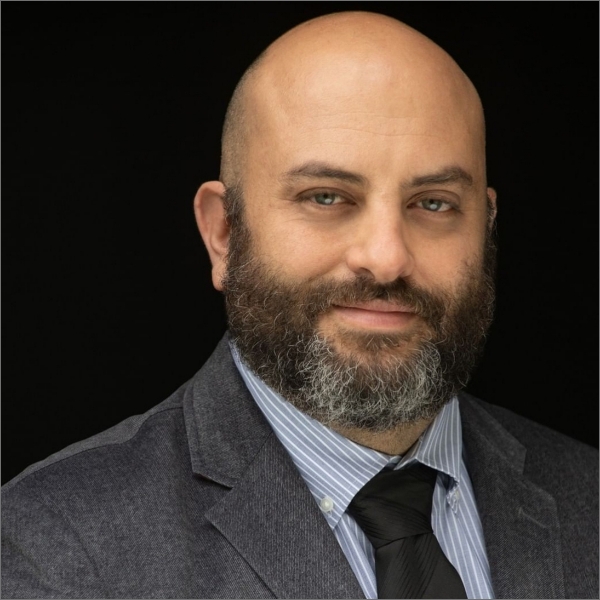
Tony Stravato
Read bioI was born and raised in Oshawa, Ontario, where I still live today with my wife Lisa and our twin autistic boys, Roman and Rocco.
My autism advocacy journey began in 2019, when the Ontario Autism Program underwent a series of significant and deeply challenging changes. At that time, I helped co-found the Durham Crew Autism Advocates. Shortly after, I joined the Ontario Autism Coalition, where I now serve as the Vice President of Operations.
My lived experience as a parent, combined with my strong connection to the autism community, continues to guide my work.
I am committed to creating meaningful change, amplifying the voices of families, and ensuring that autistic individuals across Canada receive the support and opportunities they deserve.
Indigenous Advisory Council
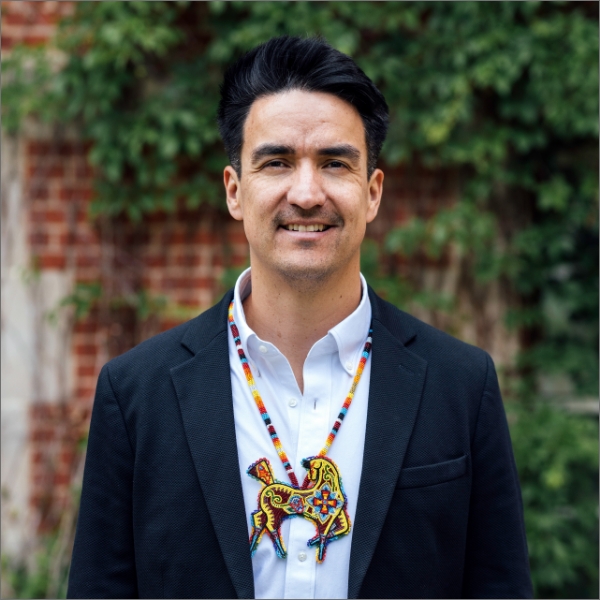
Dr. Grant Bruno
Co-Chair
Read bioDr. Grant Bruno is nêhiyaw (Plains Cree), a registered member of Samson Cree Nation located on Treaty 6 Territory, and an Assistant Professor in the Department of Pediatrics at the University of Alberta. As both a researcher and a parent, Dr. Bruno’s work is rooted in the experiences of Indigenous caregivers raising children with diverse needs. His research seeks to create culturally responsive healthcare models that reflect the strengths, challenges, and hopes of families, particularly in the areas of neurodiversity and child and youth health. Drawing on nêhiyaw understandings of health and wellness, he weaves together Indigenous knowledge systems and Western frameworks to foster inclusive and decolonized approaches to healthcare.
Dr. Bruno is currently the Academic Lead for Indigenous Child Health at the Women and Children’s Health Research Institute (WCHRI). He is the founder of the Ispimihk Awâsisak (Sky Children Program) and the Indigenous Caregiving Collective, both of which centre the voices of families and caregivers in shaping programs and research for children with neurodevelopmental differences. He is currently the co-chair of the Indigenous Advisory Council for Canada’s National Autism strategy and also serves as the Scientific Advisor, Indigenous Initiatives for the Kids Brain Health Network, where he continues to advocate for caregiver-driven solutions that strengthen Indigenous child and youth health.
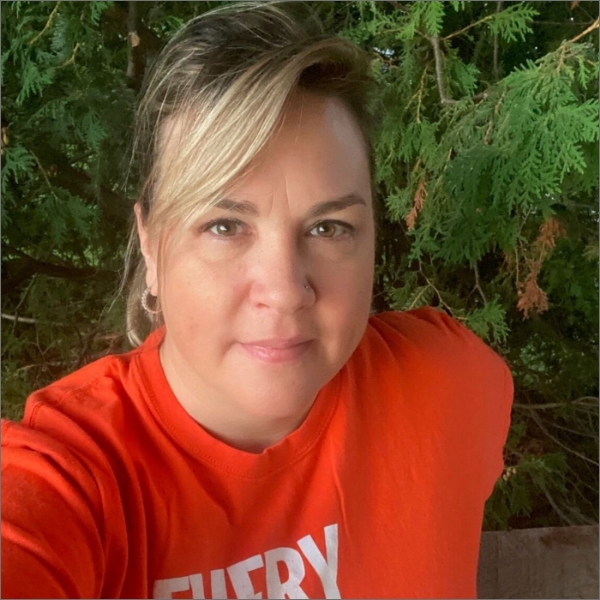
Jessie Gartshore
Co-Chair
Read bioMy name is Jessie Gartshore (she/her/kwe). I am a part-Anishinaabe, part-settler Health Leader and have spent over 20 years supporting not-for-profit children’s health organizations. My clinical background is as a Behaviour Analyst and have spent the last 10 years in operational leadership. I am an Ojibway Kwe with ancestors from the Crane Clan (Ajijaak Dodem) of Batchewana First Nation and Clan Gartshore of Scotland. My passion for leadership draws on my ability to work and gather with others. I am the Senior Manager for the Maternal Child & Youth Health Stream at Six Nations which includes close to 100 hardworking health providers supporting our most precious resources: our expectant mothers, our babies, our children and youth. I started my professional career as a Behaviour Therapist in 2004 and supported all of the iterations of provincially funded autism programs for children and youth in Ontario. Since my time with Six Nations, we have advocated and brought Autism Services on-reserve for our families. We used the innovation grant funding to root our entry to school program in culture and our most recent innovation grant is supporting capacity building for our Primary Care and Allied Health professionals in the development of a diagnostic pathway, rooted in culture on reserve.
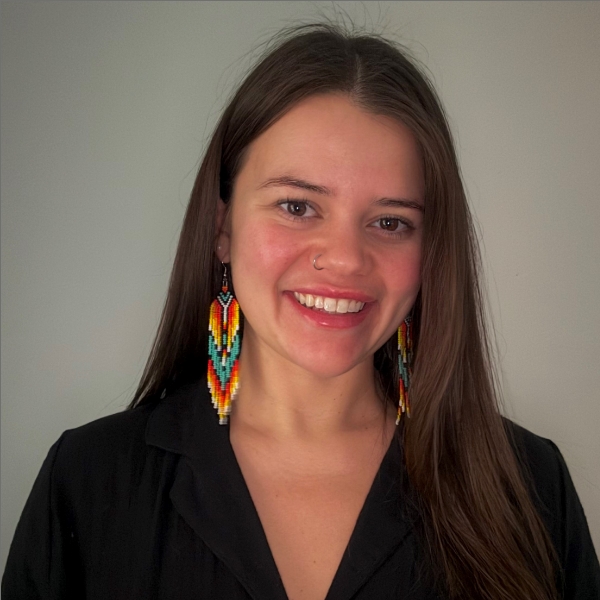
Allie DaCunha
Read bioHello, my name is Allie. I am an autistic woman living in Brantford, Ontario. I am Mi’kmaq from Potlotek First Nation. I was diagnosed with autism in 2024. I sought out my diagnosis after my son was diagnosed in 2021.
I work as a Nurse Educator on Six Nations of the Grand River. In my role I work with children from kindergarten to grade 12. My past working experience includes working in group homes with adults, a vast majority of them being autistic. I have been seeking opportunities to become more active and involved in the Autism community.
I am excited to be part of the National Autism Network. As an autistic person, raising an autistic child, and working in an Indigenous community, I bring various perspectives and voices into the conversation. I am eager to advocate and help Canada be a place where autistic people feel heard, seen and supported.
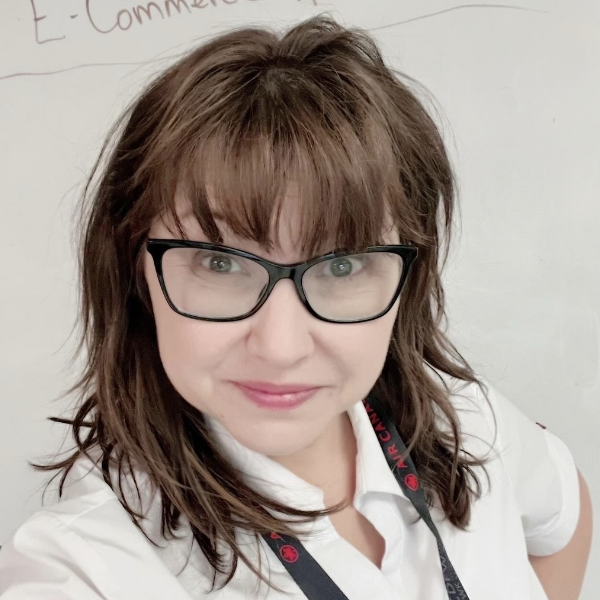
Jenn Hobbis
Read bioJenn Hobbis is a member of the Indigenous Advisory Council for the National Autism Network. She has worked in special education in Whitehorse, Yukon for 19 years, supporting children ages four through twelve who are diagnosed, or suspected to be on, the autism spectrum. Her work includes mentoring emerging educators and providing training on sensory regulation, movement and body break supports, communication strategies, early phonological awareness and various speech and language supports in-school.
She is also the mother of a 20-year-old daughter on the autism spectrum, and began navigating the diagnostic process when her daughter was two years old, with a formal diagnosis at age five. This lived experience continues to inform her advocacy and systems-level perspective.
Jenn has served as an executive board member with Autism Yukon, and recently worked for a year as an Indigenous student advocate for Central Okanagan School District No. 23, in British Columbia.
She currently works as an Indigenous Patient Health and Social Liaison Worker at Whitehorse General Hospital (with the First Nations Health Branch) in Whitehorse, and is also a certified ESL teacher, supporting adult newcomers to Canada.
She is a member of the Crow Clan of Kluane First Nation, with Southern Tutchone heritage, from the Kluane Lake region, of the Yukon Territory.
Lori Gauthier
Read bioLori Gauthier is a mother of four sons with autism who range in age from 13 to 20 years old. She lives in Fort St James, BC where she is an active member of the Nak’azdli Whut’en nation and belongs to the Lhts’umusyoo (Beaver clan).
Lori currently works as the Children and Youth with Diverse Needs Coordinator for Nak’azdli Whut’en where she helps children with diverse needs and their families access support services that they need in a culturally grounded, and family-centred way.
Lori is also the North Regional Network Coordinator for the Family Support Institute of B.C. She is a former member of Autism B.C.’s Board of Directors, MCFD’s Minister’s Advisory Council and a member of their Indigenous Advisory Circle.
Lori has had the honour of working alongside Indigenous families across BC, including in Keremeos, Terrace, Prince George, Yekooche, and Takla Lake in various roles. Her passion for helping families navigate supports and systems shines in everything she does. She is deeply committed to making sure the voices of families in rural and remote communities are heard and valued.
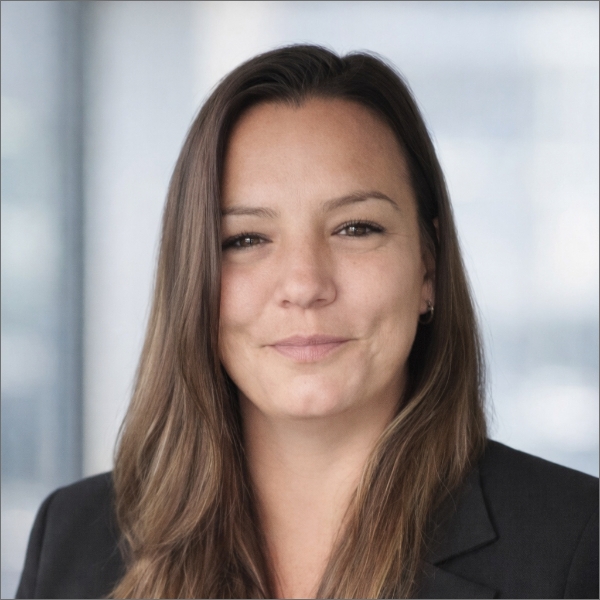
Natachia Slezsak
Read bioI am Natachia Slezsak, from Six Nations of the Grand River Territory and a member of the Mohawk Nation, Turtle Clan. I am a mother of five children, including a child with autism, an experience that has given me a deep understanding of the challenges families face and inspires my commitment to creating better supports for individuals and their communities.
With over 20 years in healthcare, starting on the frontlines as a nurse, I have built a career in program development and leadership, focusing on mental health, crisis response, and trauma-informed, culturally responsive systems of care. My personal and professional experiences come together to guide my work, ensuring services are both effective and grounded in the realities of the community I serve.
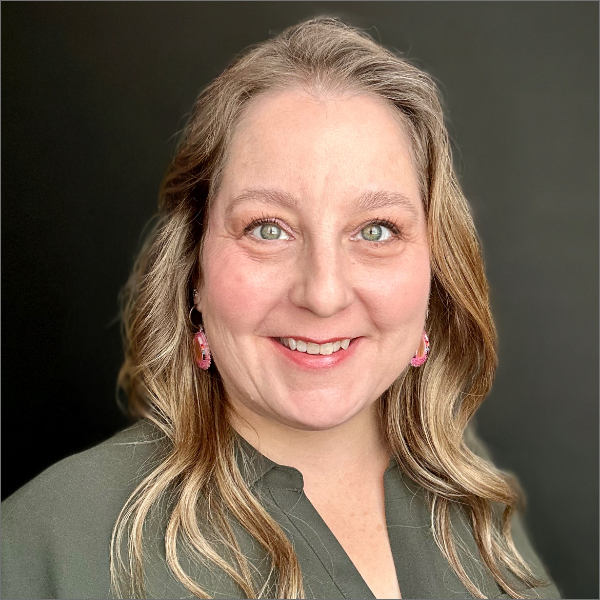
Shannon Nazaruk
Read bioI am a late-diagnosed Autistic Métis person, a devoted parent of an amazing Autistic young adult, and the daughter of a Residential School Survivor. My intersectional identity shapes the personal stories and cultural insights I share with warmth and authenticity to promote understanding of my communities. I find joy and purpose as an advocate focused on identity, inclusion, and belonging. My current advocacy includes public speaking and volunteering with the Indigenous Relations Circle for the Autism Society of Alberta.
With over 15 years of experience navigating health and education systems, I understand the challenges faced and the tenacity needed to support our families. My continued learning and community engagement have further developed my determination, and I enjoy collaborating with others to create new solutions and discover innovative ideas.
I am excited to join the Indigenous Advisory Council and am committed to bringing my experience and enthusiasm to the National Autism Network and the Indigenous Autistic communities I serve. I believe in the power of culture, community, and connection – and I look forward to our future together!
Vanessa Roesler
Read bioVanessa Roesler serves as the coordinator of the Kikino Aboriginal Headstart program and holds certifications in Early Learning and Mental Health: Aboriginal Connections from MacEwan University. As both a professional and a parent to three children—including an Autistic daughter and a neurodiverse son—she draws on her extensive experience to support other Indigenous communities. Within the Kikino Metis Settlement, Vanessa has established a family support group, a lending library for sensory resources, and the Autism Parent Resource initiative, all aimed at assisting families in their Autism journeys. Through her leadership, these projects have increased access to culturally relevant support and information, helping families navigate services and celebrate their children’s strengths. Vanessa regularly collaborates with educators, healthcare professionals, and community leaders to advocate for inclusive practices and better outcomes for Indigenous children. Her passion for empowering others is reflected in her ongoing commitment to building a more understanding and supportive environment for all families affected by Autism.
Strategic Priority Committee 1
Screening, diagnosis and services
Angela MacDonald-Prégent
Read bioAngela MacDonald-Prégent is the Autism Advanced Practice Leader at the IWK Health Centre in Halifax, where she provides strategic leadership for autism services for young children across Nova Scotia.
A speech-language pathologist and researcher, Angela specializes in augmentative and alternative communication (AAC) for minimally speaking Autistic children. She holds a Ph.D. in Communication Sciences and Disorders with a specialization in Language Acquisition from McGill University. Her research focused on improving communication outcomes using AAC and expanding assessment options for minimally speaking Autistic children. With over 15 years of clinical experience, Angela has worked extensively with Autistic children and those with other neurodevelopmental disabilities. Her previous roles include serving as a clinical interventionist for preschool-aged Autistic children at the IWK Health Centre and as a consulting speech-language pathologist at Miriam Intervention in Montréal.
Nationally, Angela co-led a research study for the National Autism Waitlist Initiative as a Data-to-Policy Fellow with the Autism Alliance of Canada, facilitating collaboration between diagnostic leaders and caregivers to build consensus on commonly used terms for tracking autism assessment waitlists. She is also a member of the Program Advisory Committee for Kids Brain Health Network. Angela has published in peer-reviewed journals, presented internationally, and is deeply committed to integrating lived experience into all aspects of her work.
Antigone Oreopoulos Ph.D.
Read bioAntigone Oreopoulos, PhD, MBA, is a physiotherapist, epidemiologist, and advocate specializing in sensorimotor impairment, developmental coordination disorder (DCD), and neurological movement therapy in nonspeaking and minimally speaking autistic children and adults. She brings a combination of clinical expertise, research training, and lived experience as the mother of a nonspeaking autistic child who communicates through text-based augmented alternative communication (AAC).
Antigone’s clinical work, research, and teaching focus on addressing gaps in motor assessment, early physical therapy intervention, life long mobility support, and access to functional communication for nonspeaking and minimally speaking autistic individuals. She is also committed to improving the ongoing education and empowerment of clinicians, parents, and others who work with autistic individuals with complex needs. Antigone coaches families to build sustainable therapeutic programs, collaborates with schools to improve AAC access and adapted physical education participation, and works closely with the nonspeaking / minimally speaking self-advocate community across Canada.
Previously, she held leadership roles in public health analytics, taught postgraduate courses in knowledge translation and patient advocacy, and served on the University of Alberta Research Ethics Board. Antigone is dedicated to ensuring that nonspeaking autistic people and their families are heard, included, and supported in both mental and physical health across the lifespan.
Connor M. Kerns Ph.D.
Read bioAssociate Professor, University of British Columbia
Dr. Connor Kerns is an Associate Professor, Registered Psychologist and Director of the Anxiety Stress and Autism Program (ASAP) in the Department of Psychology at the University of British Columbia (UBC). Her research focuses on anxiety, and stress-related disorders in autistic youth and young adults with the aim of developing and testing new assessment tools and psychotherapies. She has secured numerous federal and foundation sponsored grants to support this research program in Canada and previously in the USA, including early career researcher awards from Killam Foundation, Michael Smith Foundation for Health Research and National Institutes of Health. In addition to >100 scientific publications, she is lead author of a diagnostic interview tailored to assess anxiety disorders in autistic youth published by Oxford University Press, the Anxiety Disorders Interview Schedule with Autism Spectrum Addendum (ADIS/ASA), and editor of a clinical textbook on the evidence-based assessment and treatment of anxiety in autistic children. She has previously sat on working groups focused on enhancing the health of autistic individuals for both the Canadian Academy of Health Sciences and US DHHS Interagency Autism Coordinating Committee.
Dr. Kerns earned her BA in Psychology and English from Cornell University, her M.A. and Ph.D. in Psychology from Temple University, and completed her clinical internship at the AI Dupont Hospital for Children in Wilmington, DE. She also completed specialized training in autism, anxiety, OCD and childhood trauma assessment and treatment at the Department of Psychiatry at University of Pennsylvania and the Center for Autism Research at Children’s Hospital of Philadelphia. Finally, she gained knowledge in public health approaches to autism research as a faculty member at the multi-disciplinary AJ Drexel Autism Institute in Philadelphia, PA prior to her appointment at UBC in 2018.
Ghita Wiebe
Read bioGhita Wiebe (she/her) is a developmental pediatrician and Assistant Professor in the Department of Pediatrics at the University of Saskatchewan. She is also the Provincial Division Head for Child Development and serves as Physician Lead for the Saskatchewan Health Authority (SHA) Provincial Autism Strategy. The SHA Provincial Autism Strategy’s vision is that children and their caregivers have access to quality supports and services as close to home as possible. The strategy envisions a world where neurodiversity is understood and accepted.
She leads SK ECHO (Extension for Community Health Outcomes) Autism Diagnostics and Care. Dr. Wiebe’s work focuses on transforming autism systems of care through innovative community-based approaches. She is especially interested in educational and clinical models that foster collaborative knowledge-sharing and expertise, empowering community teams to care for children and families in a lifespan approach that is neurodiversity affirming, and in ways that center lived and living experience.
Through her academic research, community partnerships, professional leadership, and personal advocacy, she champions culturally responsive neurodevelopmental care that embraces diverse perspectives and strengths-based approaches. She is very grateful to be involved with the National Autism Network.
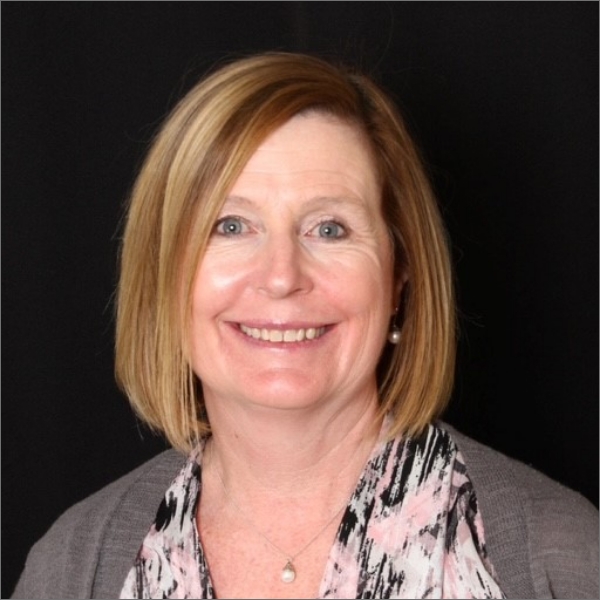
Kimberley Ward
Read bioKimberley Ward (she/her)
Kim is a Registered Psychologist with a Ph.D. from the University of Calgary and more than 30 years of experience supporting the Autism community. She is the Executive Director of Society for Autism Support and Services (SASS) in Calgary, a role she has held since 2018.
Kim contributes to Autism advocacy at the national level as a member of the Canadian Autism Alliance of Canada Board of Directors, where she serves as Board Secretary and Chair of the Jim and Ginette Munson Autism Leadership Award Committee.
She also plays an active role in provincial collaboration through her involvement with Autism Alberta’s Alliance Planning Committee.
Driven by a commitment to build inclusive communities and enhance supports for Autistic individuals and their families, Kim continues to champion meaningful change across local, provincial, and national networks.
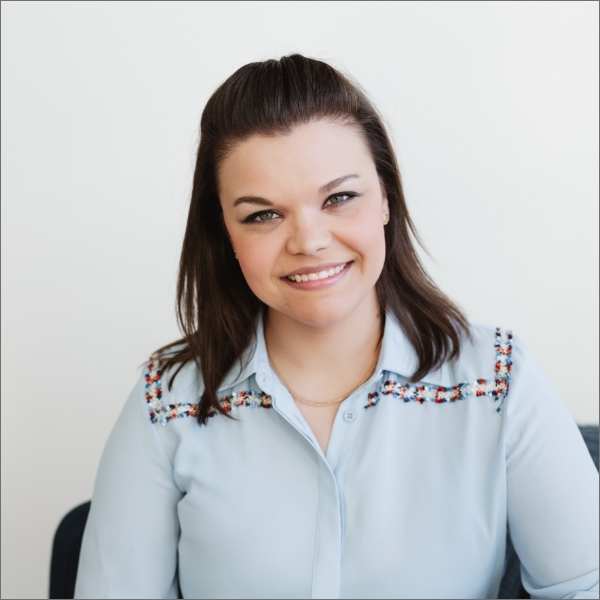
Dr. Marie-Pier Vandette
Read bioDr. Marie-Pier Vandette, C. Psych., is a clinical psychologist working with children, adolescents, and families. She is a member of the College of Psychologists and Behaviour Analysts of Ontario as well as the Ordre des psychologues du Québec. In 2020, she founded her own private practice, The Interdisciplinary Family Centre of Eastern Ontario (CIFO), which addresses a significant gap in mental-health services in the region and now has two locations: one in Rockland and another in Casselman.
Since 2024, following the award of nearly $600,000 in ministerial grants, she has developed the Eastern Ontario Autism Program, which allows her team, i.e., composed of psychologists, social workers, psychotherapists, speech-language pathologists, and occupational therapists, to offer free services to autistic children and adolescents.
In 2024, she expanded her private practice into the province of Quebec by founding The Interdisciplinary Family Centre of Outaouais to help address the shortage of autism services in that region. Through this work, she is building important collaborations across public and community sectors. Dr. Vandette also serves as the lead psychologist in an interdisciplinary neurodevelopmental health program within a pediatric hospital setting, providing services to youth up to age 18 with complex mental-health, neurodevelopmental, and medical needs. She is a part-time and clinical professor at the University of Ottawa, where she teaches at both the undergraduate and graduate levels.
She is also a clinical supervisor and has had the opportunity to supervise approximately thirty graduate students to date. Finally, she recently co-founded and serves as President of Propsychnet, a new national platform designed to make mental health more accessible, human, and understandable for everyone, both mental-health professionals and the population.
Dr. Vandette is a content ambassador in the areas of clinical supervision, neurodivergence, and child, adolescent, and family clinical practice. Through a digital platform, she is currently developing a support community for parents of autistic children.
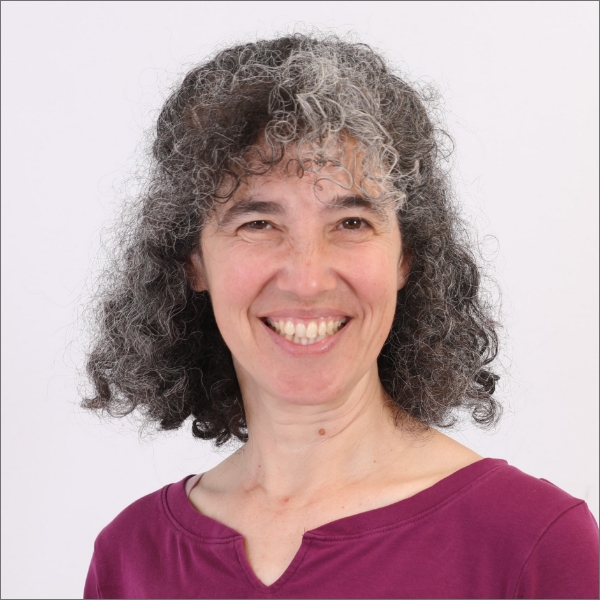
Yona Lunsky, PH.D.
Read bioYona Lunsky, PhD, CPsych, is the Scientific Director of the Azrieli Adult Neurodevelopmental Centre, Director of the Health Care Access Research and Developmental Disabilities Program (www.hcardd.ca) and a Senior Scientist at the Centre for Addiction and Mental Health (CAMH), in Toronto, Canada. She is also Professor in the Department of Psychiatry at the Temerty Faculty of Medicine, University of Toronto, an Adjunct Scientist at ICES, and a Clinical Psychologist. She has been studying the mental and physical health of adults with developmental disabilities including autism and their families for more than 25 years, and has published over 300 papers on this topic. She works closely with people with developmental disabilities, their families, and clinical providers to identify health care gaps and co-design innovative solutions.
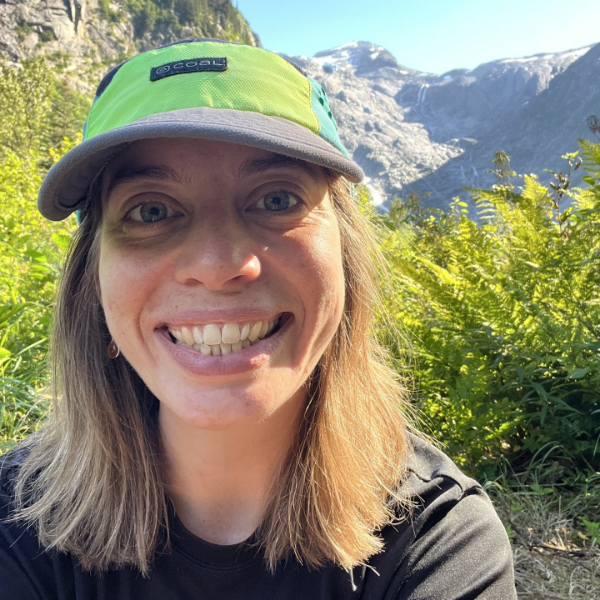
Kelsey Kerr
Read bioI am honoured and humbled to have been selected to support the work of the National Autism Network. I am of mixed settler and First Nation ancestry, Irish and Finnish on my mother’s side and Scottish and Haíɫzaqv on my father’s. I was raised on the unceded and ancestral homelands of the kʷikʷəƛ̓əm (Kwikwetlem), səlilwətaɬ (Tsleil-Waututh), xʷməθkʷəy̓əm (Musqueam), Sḵwx̱wú7mesh (Squamish), q̓ic̓əy̓ (Katzie), qʼʷa:n̓ ƛʼən̓ (Kwantlen), qiqéyt (Qayqayt), and Stó:lō (Sto:lo) Peoples, Port Moody BC.
I am a family member to two Autistic individuals and a Speech-Language Pathologist. I have worked in Northern Canada for all of my career and since developed a passion for advocating for equitable services and resources for those I serve. I currently work for a school board providing wholistic wrap around supports to school teams and have witnessed the impact this approach has for learners. I believe that each person is gifted with strengths and when community wraps around them they can flourish and overcome obstacles through caring relationships.
To feel connected to myself, I enjoy gardening, skiing, dancing, painting, running for a very long time up and down mountains, being an Auntie and spending time with my dog Eve.
Strategic Priority Committee 2
Economic inclusion
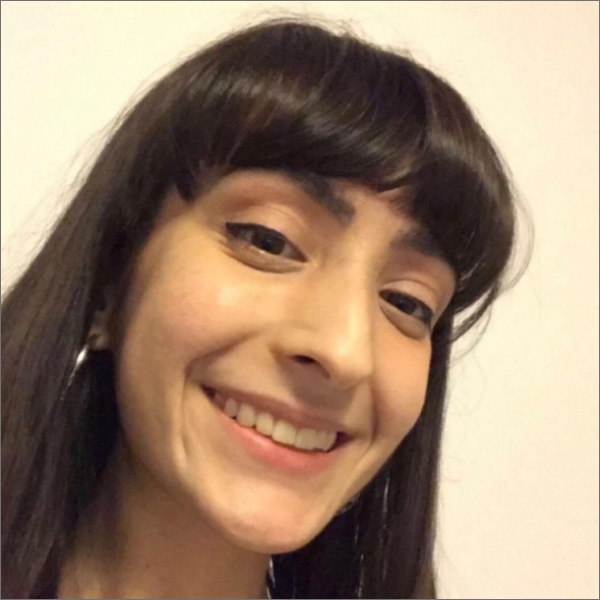
Jacqueline Morrison
Read bioHello! My name is Jacqueline Morrison. I reside in Ottawa and am working in early education and community health. I hold a Bachelor’s degree in the Humanities and I have completed 3 years of midwifery education. My journey through my career and post secondary education paths have been marked by my brain style. In 2022, I was diagnosed with Autism Spectrum Disorder. I was prompted to seek a psychological evaluation in part due to the ways I navigated stress, social communication, and workplaces.
While midwifery is a special interest of mine, most careers in healthcare are a difficult match for those autistic people – like me – who thrive with routine and lose steam more quickly with the presence of overwhelming stimulus input. I have a strong interest in making healthcare careers more accessible to autistic workers, many of whom I know would be excellent care providers.
I believe that the current factors limiting success for autistic people in healthcare careers include (among many others) a) non-accommodating education and b) inflexible job roles.
My special interests are reproductive health and parenting in the early years. I also love to cook plant-based food, do yoga, and spend time with my friends.
Liam Bienstock
Read bioLiam Bienstock (he/him) is an occupational therapist and inclusive designer. His clinical work and early role at the Douglas Mental Health University Institute focused on supporting Autistic individuals and their families in daily living, education, and community participation. A key part of his practice involves coaching families on financial supports, where he frequently sees barriers that limit economic inclusion.
With a Master of Inclusive Design from OCAD University, Liam has collaborated with the Autism Alliance of Canada and Mobilizing Justice on research into transportation equity and the Autistic experience. This work underscores how mobility shapes access to work, education, healthcare, voting, and civic life—and how inadequate transportation restricts participation.
Liam is Chair of La Fondation Place Coco and serves nationally on the Canada Revenue Agency’s Disability Advisory Committee, advising on improvements to disability-related tax measures that affect Autistic Canadians. His advocacy is informed by both professional experience and the systemic challenges his clients have voiced.
As the older sibling of an Autistic adult, Liam is personally committed to strengthening supports during the transition to adulthood and advancing equitable, lifelong inclusion.
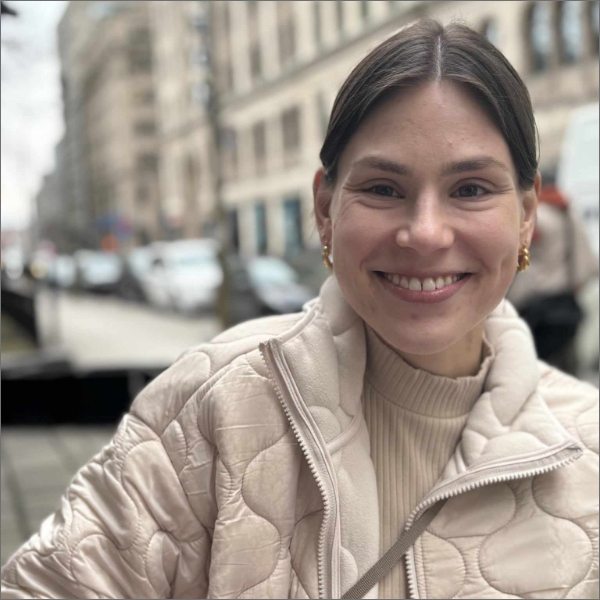
Charli Miller
Read bioCharli Miller is the Director of Economic Inclusion at Autism Nova Scotia, where she leads initiatives to create inclusive employment opportunities for autistic youth and adults across the province. Based in Halifax and originally from the Annapolis Valley, Charli brings both professional expertise and lived experience as a late-diagnosed autistic, queer woman to her work.
In her role, Charli oversees program operations, evaluation, and reporting to ensure measurable outcomes. She builds partnerships with service providers, advocates for inclusive hiring practices, and aligns organizational efforts with provincial and national goals. Her leadership focuses on removing barriers and fostering workplaces that value neurodiverse talent.
Charli holds a Bachelor of Science in Psychology and a Graduate Diploma in Counselling Psychology. Her career has included roles supporting individuals with disabilities in employment, education, and residential settings. As a parent of two young children and someone who has faced employment challenges firsthand, Charli is deeply committed to advancing equity and inclusion in the workforce.
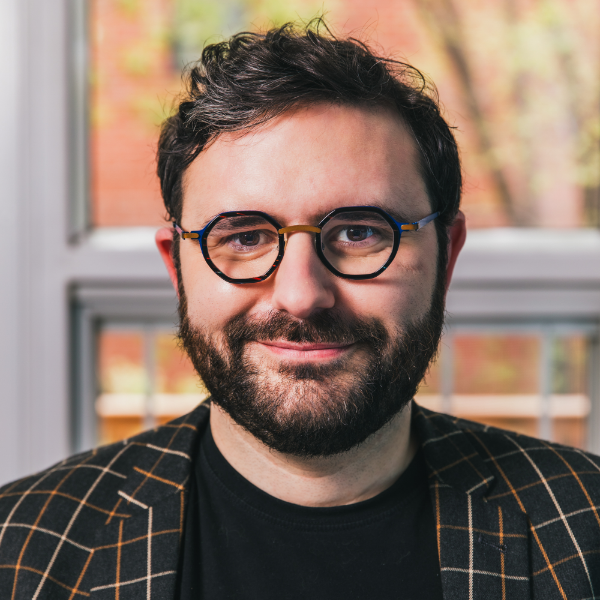
Samuel Ragot
Read bioSamuel Ragot is a doctoral candidate at the School of Social Work at McGill University and works as a Senior Policy Analyst and Advocacy Advisor at the Quebec Intellectual Disability Society. In the context of his work, Samuel has worked on major pieces of legislation in the province, such as the reform of the guardianship regime and the creation and implementation of the Basic Income Program. Trained as a political scientist (UQAM) and holding a graduate degree in bioethics (UdeM), Samuel’s research program is focused on three main topics: financial support programs for persons with disabilities in Canada, employment of autistic individuals and persons with intellectual disabilities, and caregiver support. His goal is to help improve public policies to foster the inclusion and economic participation of persons with disabilities. Samuel has lived experience of disability and caregiving.
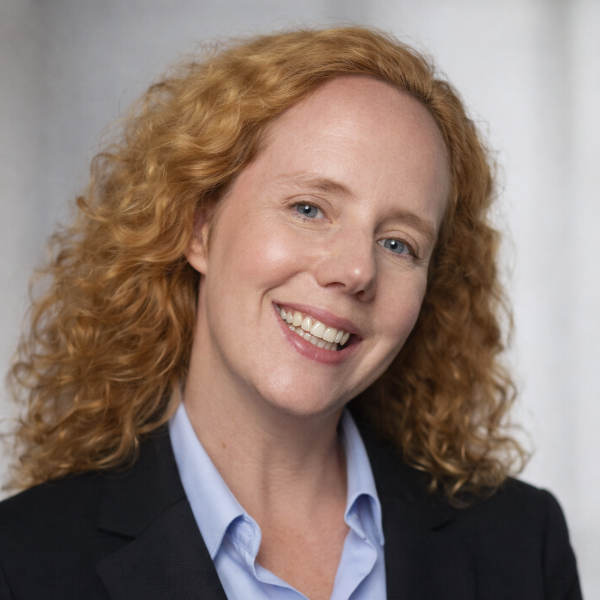
Lara McLachlan
Read bioLara McLachlan is the Founder and Board Chair of the Neurodiversity Change Foundation (NCF), where she leads initiatives focused on advancing neuroinclusive systems in healthcare, employment, and leadership. Her work focuses on translating lived experience and research evidence into practical system change through partnerships across Canada. She brings over 25 years of experience in health system transformation, community development, reporting, and changemaking.
Jasmine Cha
Read bioJasmine is an inclusion advocate, systems thinker, and vocal Autistic woman of colour committed to building a more equitable world. She was named one of Alberta’s Top 30 Under 30 for her work advancing the Sustainable Development Goals and continues to champion equity through both local and global initiatives.
She brings a unique blend of lived experience and professional expertise to her work.
Diagnosed with Autism and ADHD in adulthood after years of masking and misdiagnosis, Jasmine understands firsthand the barriers Autistic people face when accessing education, economic security, and support. Her experience fuels her commitment to policies and services that reflect the full spectrum of Autistic realities.
Professionally, she has worked across nonprofit, tech, and international policy spaces, including as a Delegate to the UN Commission on the Status of Women (CSW68). She currently supports youth civic engagement and system navigation through her roles in multiple nonprofit organizations.
Jasmine continues to advocate for inclusive design, real-world impact, and changes that actually work for marginalized communities—not just on paper, but in practice.
Strategic Priority Committee 3
Data collection, public health surveillance, and research
Dr. Elizabeth Straus
Read bioDr. Elizabeth Straus (they/she) is an autistic, disabled, queer, white settler nurse scholar and educator whose research focuses at the intersections of autism, gender, sexuality, and mental well-being.
Currently residing in Dish with One Spoon Territory, the traditional territories of the Haudenosaunee and Anishinaabe in what is colonially known as Niagara region in Ontario, they hold appointments as an Assistant Professor in the Daphne Cockwell School of Nursing at Toronto Metropolitan University and as an Adjunct Professor with Re•Vision: The Centre for Art and Social Justice at the University of Guelph.
They currently lead Beyond the Normative Knot, a multimedia storytelling and interview project that explores autistic experience at the intersections of gender, sexuality, and autistic identities. They are deeply committed to advancing access and affirming approaches in research and practice, with an emphasis on autistic-led, community-engaged, and intersectional approaches.
Dr. Flora Blanchette
Read bioDr. Flora Blanchette (she/her) is a professor, researcher, advocate, and parent to an autistic child.
She received her dual M.S. and PhD in in Psychology and Women’s, Gender, and Sexuality Studies from Penn State. Her work adopts a critical, liberationist lens and spans topics including prejudice and discrimination, oppression, disability, health disparities, decarceration, activism, and the development of inclusive environments.
She has over 60 peer-reviewed publications and has spoken at national and international events and conferences. All of her work aims to center the perspectives of people who experience various forms of oppression.
Dr. M. Florencia Ricci
Read bioDr. M. Florencia Ricci, MD, PhD, is a developmental pediatrician, a clinician–researcher with the Children’s Hospital Research Institute of Manitoba, and an Associate Professor in the Section of Child Development within the Department of Pediatrics and Child Health at the University of Manitoba. She also serves as Co-Director of the Manitoba Neonatal Follow-up Clinic.
Dr. Ricci’s current research focuses on environmental factors that may influence the likelihood of autism spectrum disorder. She has been supported in this work by a 2021 ENRRICH Catalyst Grant, a 2024 Manitoba Medical Service Foundation Grant, and funding from the Kali Dyck Foundation for the development of ADORE—the Autism Diagnostic Outcomes Registry.
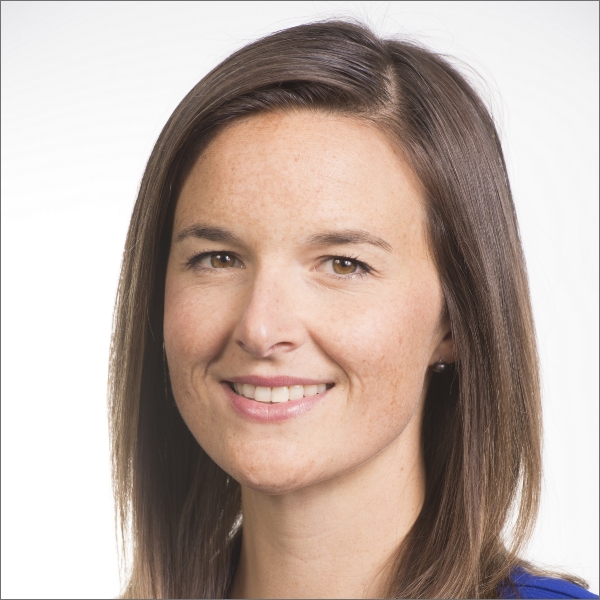
Jennifer Zwicker
Read bioJennifer Zwicker is the Director of Social Policy and Health at the School of Public Policy and an Associate Professor in the Faculty of Kinesiology at the University of Calgary. She holds a Tier II Canada Research Chair in Disability Policy for Children and Youth and serves as Chief Scientist for Kids Brain Health Network. Her research program focuses on evaluating interventions and informing policy related to funding, services, and supports for children and youth with disabilities and their families.
With a strong emphasis on interest holder and government engagement, Jennifer’s work bridges research and policy, contributing to peer-reviewed publications, policy papers, op-eds, and briefing notes for provincial and federal ministries as well as senate committees. She is currently a co-chair for the Federal Disability Advisory Committee and has worked on national efforts, including the Canadian Academy of Health Sciences National Autism Strategy Working Group and the Royal Society of Canada Expert Working Group on disability-inclusive policy during the COVID-19 pandemic.
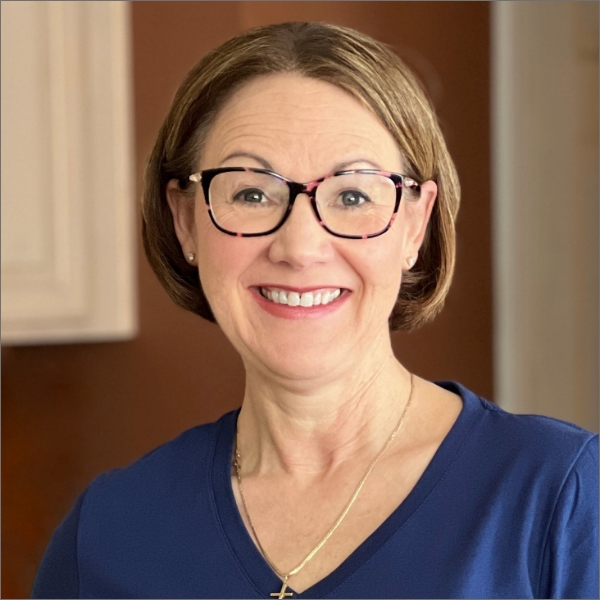
Dr. Kathryn Szechy
Read bioDr. Kathryn (Kathy) Szechy is an Assistant Professor in the School of Social Work at the University of Windsor. She has a B.A. in Psychology from Western University, Ontario, a Master of Social Work from the University of Toronto, and a Ph.D. in Social Work from Wayne State University in Detroit, Michigan.
Her research interests include challenges in adulthood for individuals on the autism spectrum, including post-secondary education and employment. She also studies the intersection of disability and social, racial, and economic disadvantage through the lens of critical disability studies. She is coauthor on several peer-reviewed publications on topics related to autism, disability, social work practice, child development, and mental health.
Dr. Szechy has 22 years of social work practice experience in Canada and the United States. She has practiced in child, adolescent, and adult mental health settings and school social work. She is a registered social worker in Ontario, was a Licensed Masters Social Worker in Michigan (2004-2025), and held State of Michigan School Social Work Certification. In addition, she is the proud parent of two adult sons, one autistic and one non-autistic.
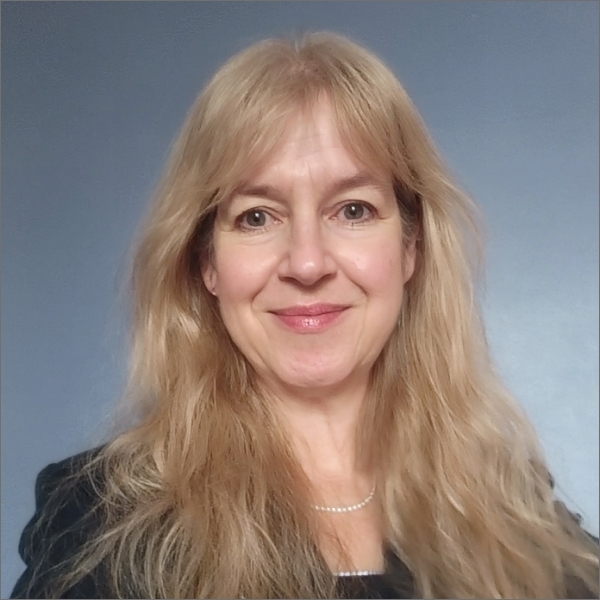
Megan Thomas
Read bioI am a UK trained Developmental Pediatrician, who worked in the NHS for over 30 years. I was clinical lead for the Child Development Service working with a fantastic multi-disciplinary team for nearly 23 years.
I led a number of service developments including the preschool neurodevelopmental pathway, that also encompassed autism assessments and supports. I moved to Halifax, Nova Scotia in 2020, and am an Associate Professor and Developmental Pediatrician in the Department of Pediatrics, Dalhousie University/IWK Health.
I am the Clinical Co-Lead for the Provincial Preschool Autism Service. To find the best answers for children and families, I am involved in research, both my own and supporting others.
My PhD was with families with preschool children with predominantly non-verbal autism spectrum disorders, families with complex health needs requiring technology on a daily basis and families with preschool children without any identified health or developmental needs. This resulted in an even deeper passion to ensure that the services we provide are helpful and meet the needs of families, rather than creating more demands and stress.
I am committed to working alongside families and colleagues to ensure respectful, supportive practices that embrace and celebrate diversity, remove barriers and enable equitable access.
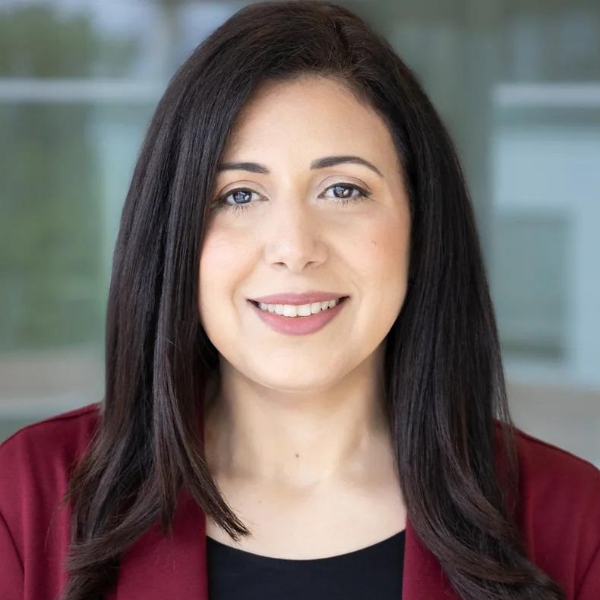
Dr. Mayada Elsabbagh
Read bioDr. Mayada Elsabbagh is a Professor in Neurology and Neurosurgery at The Neuro of McGill University. She is also appointed as a Research Scientist at the McGill University Health Centre where her program is integrated with diagnosis and support services for autism and related neurodevelopmental conditions.
Her research focuses on understanding the root causes of autism and tracing its developmental pathways across the lifespan. Her team uses developmental models to explain complex interactions of risk and protective factors leading to variable outcomes in autism and related neurodevelopmental conditions. Her scientific contributions include the discovery of very early brain function markers for autism before the onset of behavioural signs and the scale-up of community-based interventions.
The approach combines innovative research with the mission of accelerating the pace of discovery and its translation into community impact. To achieve this, the team relies on converging methods that span techniques for the study of brain development (EEG, eye-tracking), behavioural and clinical assessment tools, and novel qualitative methods to capture first-person perspectives of children and youth.
Dr. Elsabbagh has supported the successful launch of several collaborative research and translational networks in Canada and Europe, including the Transforming Autism Care Consortium (TACC), a Quebec research network supported by the Fonds de recherche du Québec and several community partners. Dr. Elsabbagh is a program director of the Canadian Neurodevelopment Research Training (CanNRT) platform.
She is also active in global efforts to improve evidence-based practice in the community and capacity building in low -and middle-income countries. These efforts include CST-Canada, a clinical trials platform for the WHO Caregiver Skills Training (CST) Program, which integrates research, training, and international exchange, expanding access to evidence-informed intervention in the community.
Strategic Priority Committee 4
Public awareness, understanding and acceptance
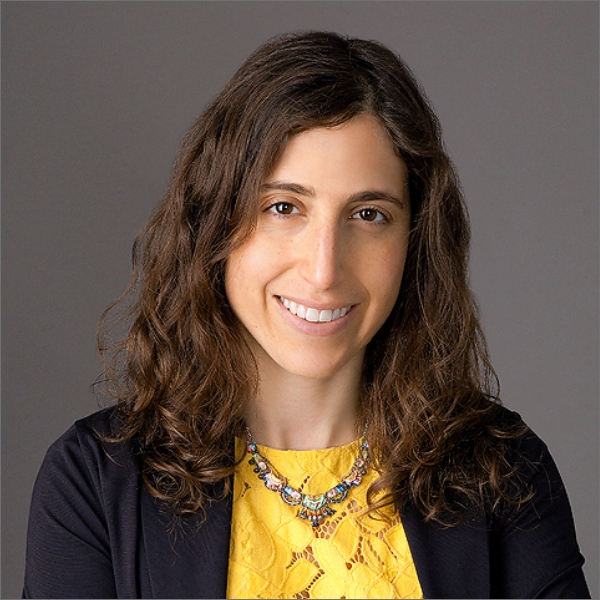
Dori Zener
Co-Chair
Read bioDori Zener is a Registered Social Worker, speaker, and educator, who has dedicated her career to creating Neurodiversity-Affirming mental health opportunities for autistic people across the lifespan. Her mission is to empower neurodivergent individuals, igniting self-awareness and self-compassion, so they can thrive in every facet of life.
Dori offers training based on her clinical expertise, centered around her INVEST model, which provides a Neuro-Affirming framework for counselling. She is deeply committed to fostering autism acceptance, and actively contributes to expanding the understanding of autism through publications, workshops, research collaborations, and corporate consultations.
Dori is excited to take on a new leadership position with the National Autism Network where she will be co-chairing the Strategic Priority Area 4 Committee: Public Awareness, Understanding, & Acceptance.
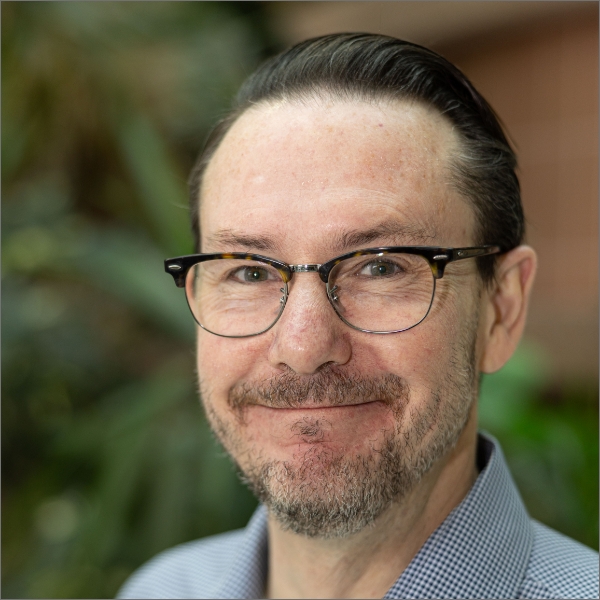
Aaron Goss
Read bioMy name is Aaron Goss (he/him), and I’m an autistic Knowledge Translation professional, published historian, and professional musician. A Gen-X’er, I’m painfully aware of how our understanding of neurodivergence has changed since my childhood, when assessments by both a developmental psychologist and a pediatrician failed to identify my autism or ADHD. Subsequent decades of masking undiagnosed neurodivergence contributed to struggles with anxiety, depression, alcohol use disorder, and periods of housing insecurity. An ADHD diagnosis at age 49 confirmed something I’d always known, also led me to the subsequent, surprising realization that I’m also autistic.
Creativity and a sense of social justice drive my work as a Knowledge Broker, where I plan communications for population data research and tailor messages for diverse audiences. Sharing research on autism and neurodivergence on social media in our current political and social climate has underscored the urgent need to challenge misinformation and stigmatization in autism discussions.
I live on Treaty 1 territory, in Winnipeg, Manitoba, with my neurodivergent partner Brandi, a dog, and two cats. I’ve done advocacy work supporting community development, housing, and alcohol-free living, and am excited for the chance to contribute to a better future for autistic Canadians.
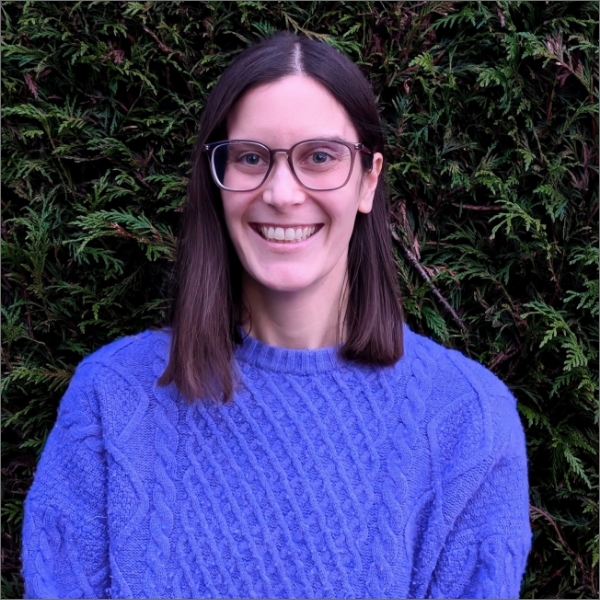
Katie Heckman
Read bioI live in North Vancouver, BC, and am passionate about inclusion, challenging what society deems as ‘normal’, and creating spaces where Autistic people can thrive.
I am a later-in-life diagnosed Autistic ADHDer with a background in healthcare and clinical education. My lived experience navigating systems and environments not built for neurodivergent people directly shapes my work.
Amidst the ableism I have experienced, I have also encountered people and spaces that are truly accepting and inclusive. This gives me hope that we can move toward a society that not only understands and accepts Autistic people, but truly celebrates us.
I am grateful for the opportunity to contribute my experiences and perspectives while learning from my fellow committee members to advance public awareness, understanding and acceptance.
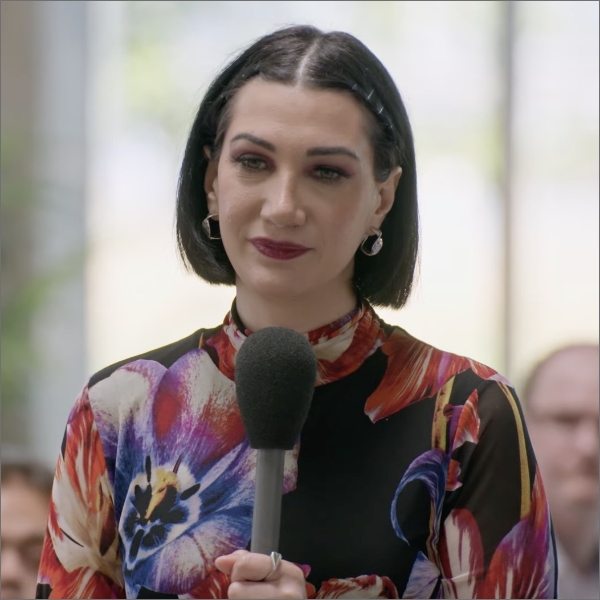
Margaux Wosk
Read bioMargaux Wosk is an Autistic, disabled, and self-employed advocate based in British Columbia. She brings lived experience in disability rights, accessibility, and inclusive communication. Margaux is the President of BC People First, a nonprofit run by and for people with intellectual and developmental disabilities. She has spoken on Parliament Hill about Bill C-22 and regularly gives presentations across Canada. Public speaking is one of her strongest skills, and she uses it to share knowledge, encourage inclusion, and highlight the experiences of Autistic and disabled people. She is also a cast member on the CBC television show The Assembly.
Margaux runs Retrophiliac, her small business that designs disability-focused communication items such as pins, stickers, and lanyards. Her products support visibility, autonomy, and pride within disability and neurodivergent communities. Her work has been featured in several media outlets and is used by disabled people, caregivers, educators, and community organizations.
Margaux advocates for the recognition of self-employed disabled people, accessible communication, and the importance of centering lived experience in decision-making. She was a 2025 finalist for the Most Outstanding Impact – Volunteer Award through Charity Village and received the Community Award – Emerging Leader from BC Achievement.
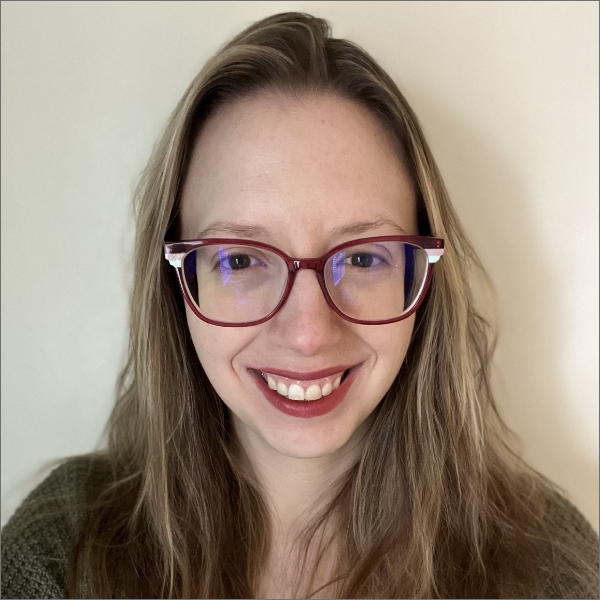
Megan Pilatzke
Read bioMegan is a proud autistic woman and member of the 2SLGBTQIA+ community. After discovering her autism in 2021 at 31 years old, she has dedicated her career to advocacy and bettering the lives of other neurodivergent people.Megan works with Specialisterne Canada, a non-profit dedicated to building neuro-inclusive workplaces, and is a sought-after public speaker, having presented for organizations like Autism Canada, Flourish Health Services, CAMH, and the Senate of Canada. She is also a published academic author, specializing in autistic employment. Megan lives in Sudbury, Ontario with her two cats, Oliver and Abigail. In her spare time, she is a dedicated pool player and musician.
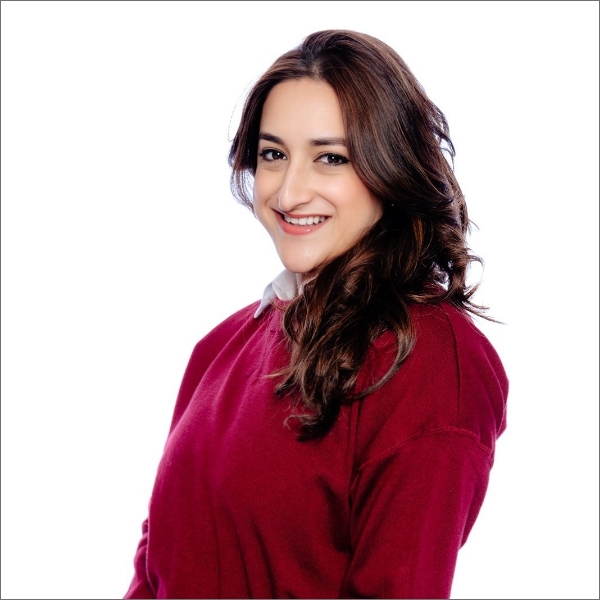
Sarah Ahmed
Read bioSarah Ahmed is a senior marketing and communications executive with extensive experience leading national awareness campaigns in the disability, nonprofit and corporate sectors. She currently serves as Senior Director, Brand & Digital Marketing at March of Dimes Canada and previously led national marketing and public education initiatives for the autism community while working with United Nations and UNICEF.
She holds a Master’s in Government and Public Policy from Harvard University, grounding her work in evidence-based approaches to social change. A proud mother of an autistic son, Sulaiman, Sarah brings a deeply personal commitment to this work.
She is dedicated to helping build an inclusive and accepting Canada where children like Sulaiman can thrive and reach their full potential. Sarah is honoured to contribute to Strategic Priority Area 4: Public Awareness, Understanding & Acceptance as part of the National Autism Network.
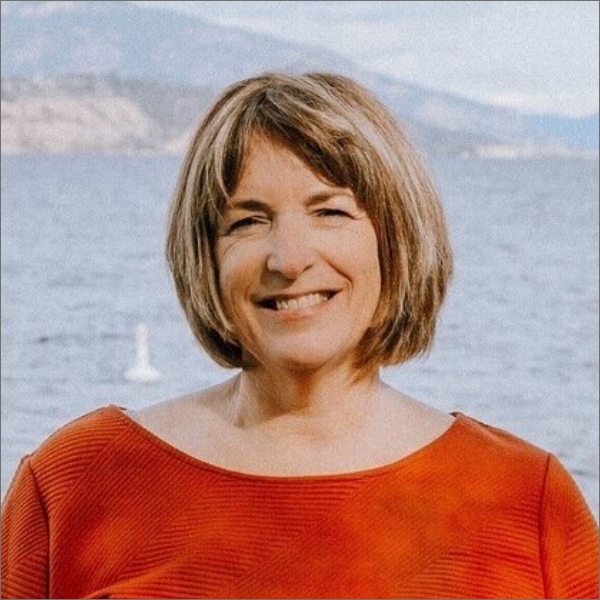
Susan Noble
Read bioSusan Noble is a passionate advocate whose professional and personal commitment to advancing autism understanding, acceptance, and support has been shaped by decades of experience as an educator and her role as a parent of an adult son on the autism spectrum. Susan is the co-founder of the Kelowna-based non-profit Autism Okanagan, a member of Okanagan College’s Adult Education and Training Program Advisory Committee and was a finalist in the 2024 BC Untapped Workplace Inclusion Awards, reflecting her ongoing leadership and impact in the autism community.
She has also worked in the inclusive employment sector as an Inclusive Employment Specialist with the Canucks Autism Network, representing Ready, Willing and Able, helping to create pathways to meaningful employment for Autistic individuals. In this role, she supported employers by increasing their understanding of autism and neurodiversity, educating employers on the benefits of inclusive hiring and providing guidance on best practices for recruiting, supervising, and retaining Autistic employees.
Susan is honored to serve on the National Autism Network’s Strategic Priority Committee for Public Awareness, Understanding, and Acceptance, contributing her expertise, ideas, and lived experience to advancing Canada’s national autism strategy and fostering more inclusive communities nationwide.
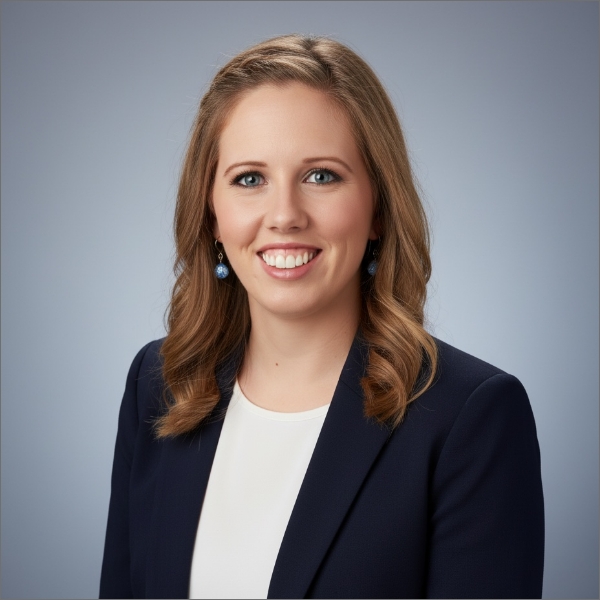
Vanessa Bourlon
Read bioVanessa is a late-diagnosed autistic adult from Regina, Saskatchewan, and a proud parent of two autistic children. She is an educator with 17 years of experience in inclusive education and student support. Vanessa is deeply committed to advancing neuro-inclusive and neuro-affirming environments in which autistic individuals are respected, supported, and empowered to thrive. She brings both lived experience and professional expertise to her work with the Canadian National Autism Network.
Vanessa holds a French Bachelor of Education, along with certificates in Inclusive Education and Autism Studies. These qualifications provide a strong foundation in accessibility frameworks, inclusive design, and neuro-affirming practice. Throughout her career, Vanessa has led school-wide inclusive initiatives, delivered professional learning for educators, and developed programs that promote student success in inclusive and supportive learning environments. Her work has focused on supporting neurodivergent learners and second-language learners while fostering strong collaborative relationships with educators, families, and professional and community partners.
Beyond the classroom, Vanessa serves as an advisor to the Saskatchewan Health Authority’s Provincial Accessibility Advisory Committee and has contributed to the ECHO Autism training program, including participation as a panelist for medical professionals across Saskatchewan. She is also a member of the Provincial Neurodivergent Advocacy Partnership, where she shares lived experience, collaborates on research and community initiatives, and advocates for neuro-affirming healthcare practices and accessible tools that support the neurodivergent community in Saskatchewan.
Fluent in both of Canada’s official languages, Vanessa believes that understanding, compassion, and collaboration are essential to building truly inclusive environments. She envisions a society in which autistic individuals are valued and understood, and where all people, regardless of neurotype, have equitable opportunities to thrive.
Strategic Priority Committee 5
Tools and resources
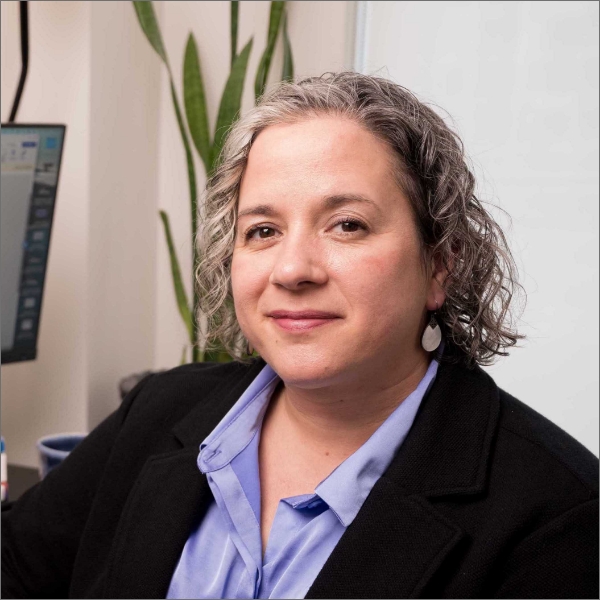
Dr. Fakhri Shafai
Read bioDr. Fakhri Shafai has been working with Autistic people and people with intellectual disabilities for over 20 years. She has a master’s in education focused on best practices for teaching biology to neurodivergent youth. She then earned a PhD in neuroscience that focused on sensory processing differences in Autistic people.
Dr. Shafai works as the Chief Science Officer of AIDE Canada, where she leads the content creation of knowledge translation resources for the neurodivergent community and their families. She is also the Director of Professional Training for the Pacific Autism Family Network, where she provides specialized de-escalation training to law enforcement officers and first responders. She recently co-moderated and presented at the first ever think tank at the United Nations focused on meeting the needs of Autistic seniors.
Her research interests include autism and aging in the senior years, sensory processing differences, and understanding child development through a cultural lens.
Gurpreet Singh Binepal
Read bioAs a clinician, researcher, and parent advocate, my journey in autism care spans transformative work in India and active leadership in Canada. In Punjab, I played a pivotal role in founding the first public sector Centre of Excellence for Autism and in launching the province’s inaugural ECHO Autism hub—both initiatives established multidisciplinary, functioning-based care models designed to help individuals thrive.
After relocating to Canada, I continued my commitment as an active member of the Saskatchewan provincial Autism Strategy council. There, I contributed to the development of an online map to help families locate resources and provided feedback on autism content for the Mom and Kids provincial website. I am actively engaged as a research partner with the Provincial Neurodivergent Advocacy Partnership (PNAP), a community-driven initiative led by Dr. Ghita Wiebe that is dedicated to transforming care for Autistic and Neurodivergent individuals in Saskatchewan. In addition, I have served as a hub team member for ECHO Autism diagnostics and care, contributing to collaborative efforts that advance best practices and support for neurodivergent communities.
With over two decades of experience in the health sector, I am eager to contribute meaningfully to the National Autism Strategy. My primary goal is to develop and disseminate practical tools and resources that focus on functioning and help individuals thrive, empower self-advocates and families, and ensure equitable access for all communities. I am dedicated to strengthening autism networks, mentoring stakeholders, and fostering cross-sector partnerships to support the creation of culturally sensitive, evidence-based resources. My ongoing aim is to advance Canada’s autism strategy by championing holistic, strengths-based approaches and promoting equity, diversity, and inclusion for autistic individuals and their families.
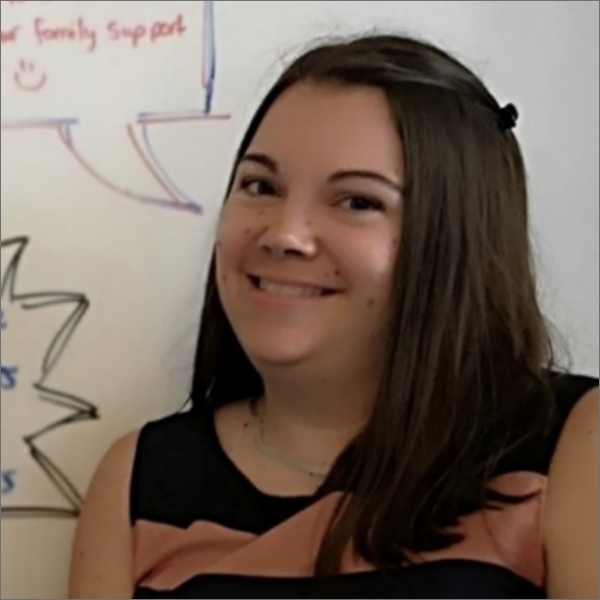
Jill Cormier
Read bioJill Cormier is a previous graduate of New Brunswick Community College and University of New Brunswick. She previously worked as a pharmacy technician for 18 years before moving to beautiful Nova Scotia in 2018.
Jill started her career at Autism Nova Scotia in May 2019 expanding her role in 2022 as the Family Support Supervisor as well as the Maritime Hub Coordinator for AIDE Canada. Over the past few years, she has built a variety of partnerships and developed a wealth of knowledge in service navigation, advocacy skills and collaboration and education within the community and in schools. She provides families and individuals with 1:1 support including understanding the diagnoses process, transition to and from school, respite services and working with communities ensuring acceptance, inclusion and respect for diversity exists everywhere for everyone.
She has maintained her personal development with Trauma informed training, ASIST, and Acceptance and Commitment Therapy (ACT) and recently received her Certification as an Autism Specialist through IBCCES in 2025.
For many years, Jill’s passion and desire to support and advocate for autistic individuals and their families has extended beyond her professional role. Over the years, she has proudly supported both her autistic son and neurodiverse daughter throughout their own family journey.
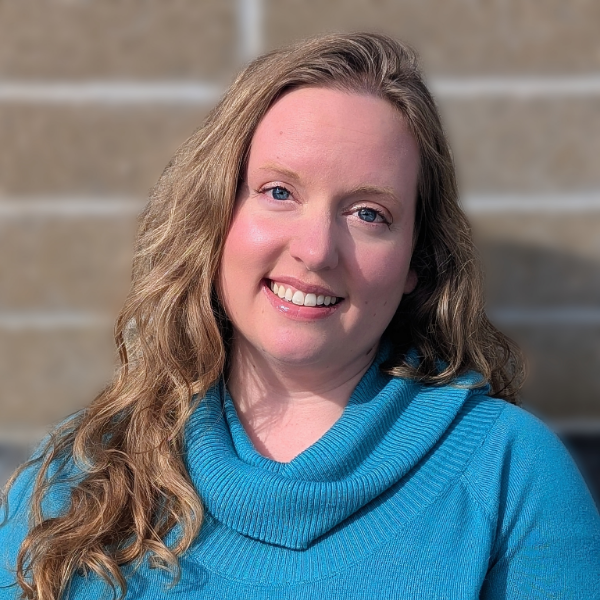
Kara Dymond Ph.D.
Read bioKara Dymond, OCT, Ph.D, is a late-diagnosed autistic/ADHD advocate, teacher, teacher educator, researcher, and author. She teaches a specialized program for autistic students in a large urban school board, collaborating closely with students, families, and educational staff at multiple schools.
Kara’s students and brother inspired her books The Autism Lens and Creating a Neurodiversity-Affirming Classroom. Kara teaches graduate courses at the Ontario Institute for Studies in Education, University of Toronto related to inclusive education and special education.
Currently she designs and delivers courses on classroom neurodiversity and accessible education. Nominated by colleagues and 21 graduate students, Kara earned the 2024 Award for Excellence in Initial Teacher Education. Current research includes an ongoing collective self-study on Universal Design for Learning and accessibility in teacher education; a study on factors influencing wellbeing and participation in community third spaces for autistic adults; and she is planning a participatory action research project with teachers who want to investigate and operationalize accessible practices and neurodiversity-affirming pedagogy in their own contexts.
In 2025, Kara was awarded the King Charles III Coronation Medal for improving the lives of autistic people and their communities across Canada, nominated by Autism Canada for her frequent collaborations in community webinars.
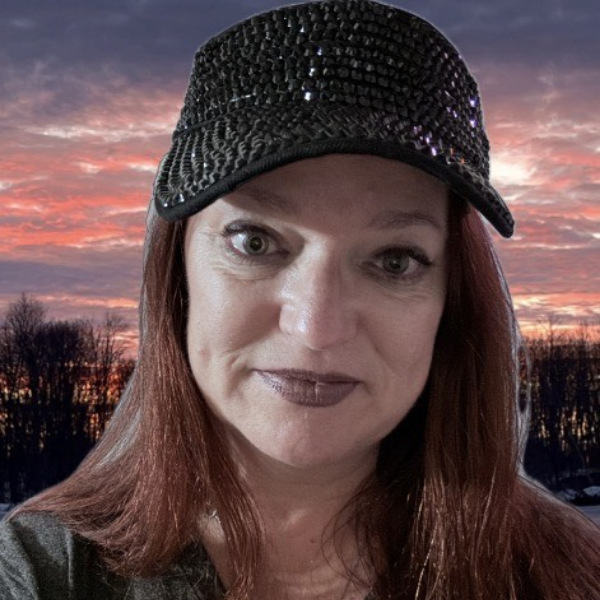
KT Timm
Read bioKaren Ann Timm (she/her) is a Canadian educational leader, researcher, and internationally recognized Neurodivergent advocate with over 25 years of experience in public education. Founder of NeuroRealMe Consulting and the Neurodivergent Infinity Network of Educators (NINE), Karen’s work is grounded in neuroaffirming, anti-ableist, and human-rights-based practice, with a strong focus on dismantling systemic barriers faced by Autistic and otherwise Neurodivergent humans—particularly those who are multiply marginalized. She leads and supports policy development, professional learning, and large-scale community initiatives that prioritize accessibility, sensory inclusion, and authentic participation.
Karen’s research interests include Autistic ways of being, sensory accessibility, AAC, and inclusive systems design. She is widely sought after as a bespoke presenter, consultant, and collaborator, bringing both lived experience and scholarly expertise to her work in education and beyond.
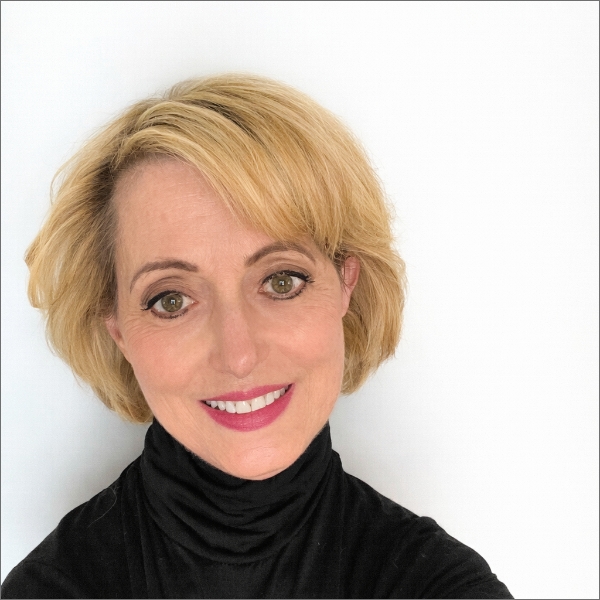
Maxine Share
Read bioMaxine Share is an Autistic writer and educator and a retired autism consultant with more than 25 years of experience supporting Autistic people and their families across the lifespan. With a background in journalism, she brings clarity to complex topics and uses strong storytelling to make information accessible, affirming, and practical.
For a decade, Maxine worked with Canada’s largest autism service provider, supporting more than 200 individuals and families each year. Her work included individualized support, consultation, delivering educational workshops, and teaching an Autism Specialist certificate course. She also facilitated parent support groups for several years.
Maxine currently develops online autism resources for Autistic people, their families, and the wider community for Autism and Intellectual Disability Education (AIDE) Canada. Her work for this government-funded non-profit has included toolkits, webinars, and training programs on topics such as ableism, Autistic grief, motivation, and menopause.
She also facilitates a monthly support group for Autistic parents, combining education with peer-based discussion grounded in lived experience.
Maxine has participated in numerous autism-related research projects, particularly those focused on quality of life and mental health.
She is a co-founder and writer of Autism Goggles, a popular Facebook pafe with nearly 36,000 followers. Her Autistic son and four Autistic grandchildren continue to inspire her work and drive to increase understanding of and supports for autism.
Melissa Bandura
Read bioI am an advocate for autistic acceptance who brings lived experience, insight, and compassion to my work. Having navigated support systems in rural Saskatchewan firsthand, I understand what resources are available, what truly supports families, and where critical gaps remain. I am eager to contribute to solutions that improve access to meaningful resources and supports for autistic individuals and those who care for them.
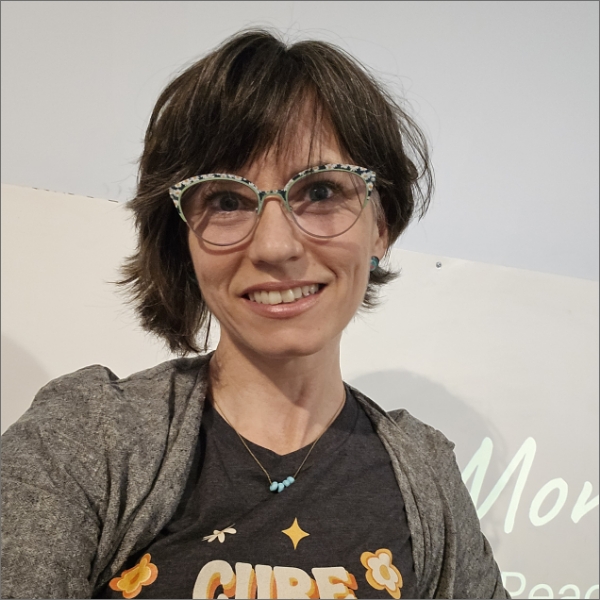
Dr. Nancy Marshall
Read bioDr. Nancy Marshall (PhD, MA CYC, RSW) is a Child and Youth Care (CYC) practitioner, a registered social worker (RSW), an educational consultant, and a part-time instructor in the Faculty of Education at York University teaching Disability and Inclusion in Education.
Nancy recently launched AffirmAbility in Practice - a small private practice in Toronto providing neurodiversity-affirming training to schools and organizations, and therapy services to children, youth, and families. She has over 20 years of experience supporting neurodivergent young people in schools, group homes, and therapeutic settings.
Nancy has lived experience as a neurodivergent adult with ADHD, and is a loving auntie to autistic and neurodivergent nieces and nephews. She believes that autistic-centred, neuroscience-aligned, and relational approaches offer the best support for autistic individuals.
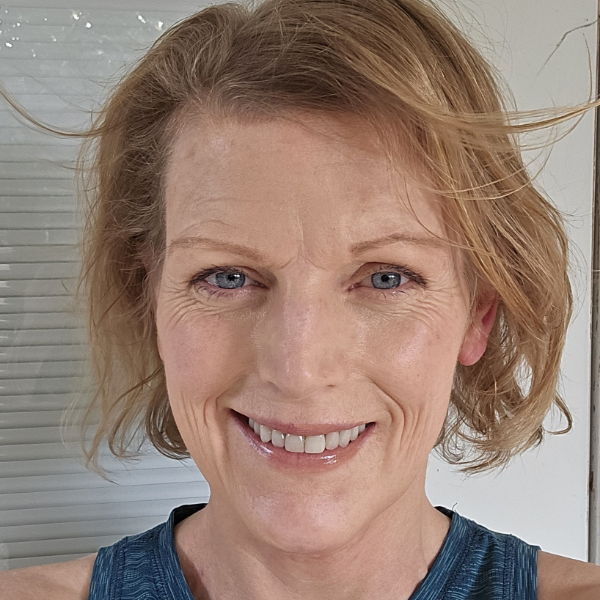
Paula Holmes-Rodman Ph.D.
Read bioPaula Holmes-Rodman, PhD is a multidisciplinary scholar, writer, and facilitator whose work bridges interpretive anthropology, narrative-based medicine, and patient advocacy. Her work focuses on how story, interpretation, and relational care can transform clinical encounters, particularly for neurodivergent patients and those navigating serious illness.
She holds an Advanced Certificate in Narrative-Based Medicine from the University of Toronto, reflecting an applied turn toward clinical and community-based practice. In collaboration with Autism Canada, Dr. Holmes-Rodman co-developed the Self-Advocacy Guide for Cancer Patients on the Autism Spectrum, a resource recognized with the King Charles III Coronation Medal. She also created the first dedicated clinical tool designed to support oncology nurses in providing neuroaffirming care.
Dr. Holmes-Rodman collaborates with organizations including Ovarian Cancer Canada, Hospice Calgary, and Wellspring, developing workshops, guides, and webinar series that advance equitable, story-based care. She has taught the first clinical humanities course of its kind at Dalhousie Medical School, contributing to the integration of narrative practice into medical education.
Her publications appear in academic and public-facing venues such as Intima, Ars Medica, and Anthropologica, addressing end-of-life narratives, autism and cancer, Indigenous ethnohistory, and patient navigation. Across institutional and grassroots spaces, her work emphasizes relationality, co-authorship, and the transformative possibilities of story.
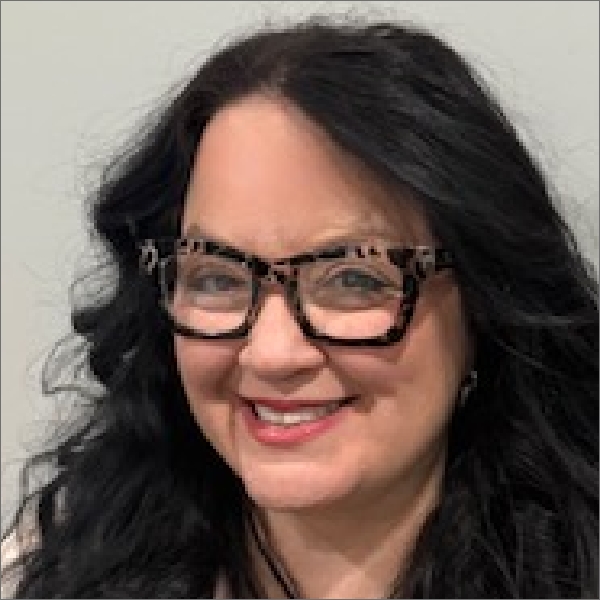
Shannon Vacchiano
Read bioI am a parent of a child living with autism and an advocate for families to receive support from the very first point of contact, delivered with support, privacy, dignity, and respect. I have volunteered as a family mentor with the Children’s Treatment Network, supporting new families of recently diagnosed children by helping them navigate resources, understand available supports, and feel less overwhelmed. By sharing our lived experience, I helped families see that they are never alone. This community is very supportive and determined advocates for their children.
Through my journey, I see a clear need for consistent, accessible resources for people living with autism, starting at diagnosis. Supports should be easy to navigate and not dependent on out-of-pocket costs, and available consistently across Canada. Families deserve equitable, timely support so they can focus on helping their children thrive.